Anderson Township, OH · Hamilton County
Attic Water Extraction in Anderson Township, OHAttic Mold Prevention & Emergency Attic Water Extraction
Get attic water extraction in Anderson Township for attic moisture inspection, wet attic insulation removal and attic mold prevention after a leak.
Answered 24/7
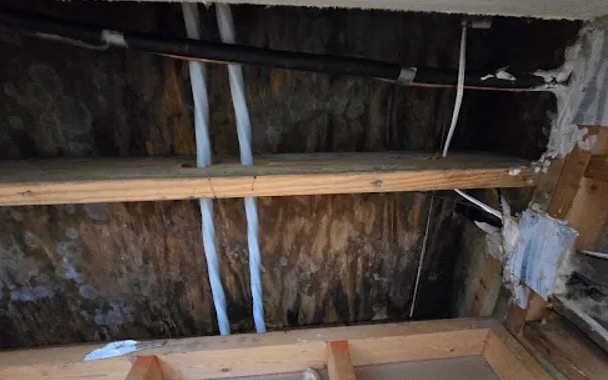
Attic Water Extraction Response in Anderson Township
Attic water is hard to reach. Joists are narrow, headroom is low and the ceiling drywall cannot hold a person's weight. In Anderson Township, extraction in an attic takes boards, lighting and careful footing.
In Anderson Township, Forestville, Cherry Grove and Dry Run, attic leaks often go unnoticed until a ceiling stains. The pros get the water and wet insulation out before the ceiling has to be replaced.
Detailed Attic Water Extraction Offerings in Anderson Township
Attic Mold Prevention
Drying the attic quickly is the main way to limit mold on wood. Treatment is added for areas that were wet for days.
Emergency Attic Water Extraction
When rain or a burst attic pipe floods the attic floor, water is vacuumed off the decking and drywall tops before it soaks through to the rooms below.
Wet Attic Insulation Removal
Soaked insulation holds water like a sponge and keeps the ceiling below wet. It is bagged and removed so the area underneath can dry.
Attic Moisture Inspection
The inspection maps where the water went from the leak point, which decides what is extracted, removed or dried in place.
Attic Leak Water Cleanup
Water from a roof or plumbing leak usually runs along rafters before it drips. Cleanup follows that path and removes water wherever it pooled.
Symptoms Requiring Attic Water Extraction in Anderson Township, OH
Rotting Wood in Attic
Soft or crumbling wood in the attic, especially around vents and valleys, points to long-term leaks.
Puddles or Standing Water
Pooled water on the attic floor or on top of drywall needs extraction right away.
Visible Mold in Attic
Dark spots on rafters or decking mean the wood has stayed damp for some time.
Damp Attic Insulation
Insulation that feels damp, looks matted or has dark patches has been soaking up water.
How Attic Water Extraction Works in Anderson Township
Step 1: Attic Leak Source Identification
The pros trace the water to the roof, a pipe or the AC pan and stop it with a tarp or shut-off.
Step 2: Flooded Attic Cleanup
Water, wet debris and fallen insulation are removed, and stored items are moved out of the attic.
Step 3: Structural Drying Setup
Equipment is placed to dry the framing and decking, with the room below checked and dried too.
Step 4: Attic Mold Prevention Treatment
Once dry, wood that stayed wet for days can be cleaned and treated with an antimicrobial.
Common Causes of Attic Water Damage in Anderson Township
Plumbing Leaks in Attic
Supply lines and water heaters in the attic can leak or burst onto the ceiling below.
Ice Dam Formation on Roof
Ice dams at the roof edge back melting snow up under the shingles and into the attic.
Aging or Deteriorated Roofing Materials
Old, curled or cracked shingles and worn underlayment let water through during heavy rain.
Bathroom Exhaust Fan Vent Leaks
Bathroom fans vented into the attic, or with loose ducts, release moisture onto the wood.
Attic Water Extraction Across Property Types in Anderson Township
Residential Attic Water Extraction
In townhomes and condos, attic leaks can cross into a neighbor's space. Clear photos and readings help sort out repairs with the association.
Commercial Attic Water Extraction
Property managers get records for each affected unit or suite, which helps with roof repair planning and insurance claims.
Professional Attic Water Extraction or DIY in Anderson Township?
If it is safe, you can look into the attic with a flashlight to find the wet area. Removing water and insulation from between joists takes boards, protective gear and drying equipment.
The Cost of Attic Water Extraction in Anderson Township
Roof repair is billed separately from extraction and drying. In Anderson Township, both are needed after most roof leaks.
Type of Water Involved
Clean rainwater is simpler to remove than water from a drain line or a dirty source.
Extent of Water Damage
More water and a larger wet area mean more extraction time and more drying equipment.
Size of the Affected Area
A leak that spread across the whole attic costs more than one confined to a single bay.
Does Insurance Cover Attic Water Extraction?
Coverage for attic water extraction depends on the cause of the leak and your policy. The pros record the damage and drying, and your insurer decides the rest.
Why Choose Local Pros for Attic Water Extraction in Anderson Township
Attic Drying
Framing, decking and the ceiling below are all dried, not just the spot under the leak.
Roof Leak Location
The leak point is marked and photographed so the roofer can fix the right spot.
Detailed Documentation
Photos, readings and drying logs are kept to support your insurance claim.
24/7 Attic Water Extraction for Anderson Township Emergencies
Ceiling bulging with water? Keep people out of the room below it and call (513) 854-7491 now for attic water extraction in Anderson Township.
Call Now (513) 854-7491Attic Water Extraction Near Anderson Township: Areas Served
Attic extraction and drying also cover homes and buildings in Forestville, Cherry Grove and Dry Run, close to Anderson Township, at any hour.
FAQ on Attic Water Extraction in Anderson Township
What follows after the attic is dry?
New insulation can be installed, and ceiling drywall below is repaired, taped and painted.
What are signs of hidden attic water damage?
Ceiling stains, a musty smell upstairs, matted insulation, dark spots on decking and rusted nails.
What happens during ceiling water damage cleanup?
Water in the ceiling is drained, sagging drywall is removed, debris is cleared and the cavity is dried before repairs.
What equipment is used for attic drying services?
Air movers, dehumidifiers, moisture meters and thermal cameras, plus wet vacs and HEPA vacuums for water and insulation removal.
Why is a moisture inspection important after extraction?
Extraction removes pooled water, but wood and drywall stay wet inside. Meters show what still needs drying.