Georgetown, OH · Brown County
Attic Water Removal in Georgetown, OHAttic Moisture Inspection & Ceiling Water Damage Cleanup
Attic Water Removal in Georgetown runs from roof leak water removal and wet attic insulation removal to ceiling water damage cleanup.
Answered 24/7
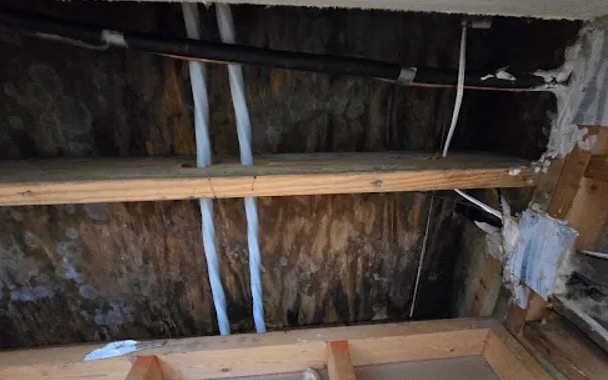
Local Attic Water Removal Solutions in Georgetown
A ceiling stain in a Georgetown home is usually the last sign of an attic leak, not the first. By the time it shows, insulation and decking above may already be wet across a wide area.
In Georgetown, Higginsport, Augusta and Ripley, many attic leaks go unnoticed until the ceiling stains. The pros get the water and wet insulation out before the ceiling has to be replaced.
Attic Water Removal Services in Georgetown
Attic Moisture Inspection
The inspection shows the full spread of the leak, so every wet area is either dried or removed.
Ceiling Water Damage Cleanup
After the ceiling cavity is dry, the opening is ready for new drywall, tape and paint.
Attic Drying Services
Equipment is adjusted daily, moving airflow from areas that are dry to areas that still read wet.
Attic Leak Water Cleanup
The leak is stopped or tarped first, then water on the attic floor, on top of the drywall and around ducts and wiring is removed with wet vacs.
Emergency Attic Water Extraction
When a storm or a burst pipe floods the attic, help is available any hour to remove the water before the ceiling below fails.
Signs of Attic Water Damage in Georgetown
Puddles or Standing Water in Attic
Pooled water on the attic floor or on top of drywall needs removal right away.
Visible Mold in Attic Spaces
Dark spots on rafters or roof decking mean the wood has stayed damp for days or longer.
Rotting Wood on Attic Beams
Soft, dark or crumbling wood on rafters and beams points to long-term moisture.
Sagging or Bubbling Ceiling Drywall
Ceiling drywall that sags, bulges or bubbles at the seams is holding water and may fall.
How Attic Water Removal Works in Georgetown
Step 1: Source Control and Water Removal
The roof is tarped or the line shut off, and pooled water is removed from the attic floor.
Step 2: Wet Attic Cleanup and Debris Removal
Soaked insulation, wet debris and stored items are cleared so the wood and drywall can dry.
Step 3: Structural Drying and Dehumidification
Air movers and dehumidifiers are set on boards in the attic and run until readings drop.
Step 4: Final Attic Moisture Check
Decking, rafters and the ceiling below are tested to confirm they are dry before repairs.
Frequent Sources of Attic Water Damage in Georgetown
Clogged or Disconnected Gutters
Clogged or loose gutters let water back up under the roof edge and into the soffits.
Appliance Malfunctions Like Water Heater Leaks
Water heaters located in the attic can leak or fail, flooding the attic floor.
Burst or Leaking Plumbing Pipes
Supply lines and drain pipes in the attic can crack or burst onto the ceiling.
Ice Dam Formation on Roof Edges
Ice dams at the roof edge force melting snow back under shingles and into the attic.
Attic Water Removal for All Property Types in Georgetown
Residential Attic Water Removal
In houses, attic water usually reaches a bedroom or hallway ceiling. Water and wet insulation are removed from above, and the ceiling below is dried or replaced.
Commercial Attic Water Removal
In commercial buildings, water above a drop ceiling soaks tiles and insulation over several rooms. Wet tiles are removed and the plenum space above is dried.
Attic Water Removal vs. DIY: When to Call the Pros
A fan in the room below does little for wet attic wood. Drying the attic takes equipment up there and readings to confirm it is dry.
Factors Influencing Attic Water Removal Cost
The pros inspect the attic and the ceiling before pricing attic water removal in Georgetown, then explain what will be removed and dried.
Drying Time Required
Dense wood framing can take several days to dry, which adds equipment time.
Water Contamination Level
Clean rainwater is simpler to handle than water from a drain line or other dirty source.
Mold Prevention Measures
Antimicrobial treatment of wood that stayed wet is an added step, priced by area.
Does Insurance Cover Attic Water Removal?
Insurers often ask what caused the leak and how long it ran. Notes on the entry point and roof condition help answer those questions.
The Value of Local Attic Water Removal Experts
Controlled Demolition Practices
Only wet insulation and drywall are removed, which keeps the repair as small as possible.
Advanced Moisture Detection
Moisture meters and thermal cameras find wet wood and insulation that look dry.
Post-Cleanup Verification
Final readings confirm the attic is dry before new insulation goes in.
24/7 Emergency Attic Water Removal in Georgetown
Ceiling sagging under the weight of water? Keep people out of the room below and call (513) 854-7491 now for attic water removal in Georgetown.
Call Now (513) 854-7491Attic Water Removal Service Area Around Georgetown
Help with attic water removal is also available in communities near Georgetown, including Higginsport, Augusta and Ripley, for roof leaks and attic plumbing failures.
- Attic Water Removal in Higginsport
- Attic Water Removal in Augusta
- Attic Water Removal in Ripley
- Attic Water Removal in Bethel
- Attic Water Removal in Brooksville
- Attic Water Removal in Moscow
- Attic Water Removal in Williamsburg
- Attic Water Removal in Aberdeen
- Emergency Damage Restoration in 45121
- Storm Damage Restoration in 45121
- Water Damage Restoration in 45121
- Water Extraction Service in 45121
- Water Leak Detection in 45121
- Water Removal Service in 45121
Attic Water Removal Questions and Answers
Can wet attic insulation be saved?
Lightly damp areas sometimes dry, but soaked or matted insulation is usually removed and replaced after the attic dries.
What is an attic moisture inspection?
A check of rafters, decking, insulation and the ceiling below with moisture meters and thermal cameras to find all wet areas.
How can mold be prevented after attic water removal?
By drying wood quickly, fixing ventilation problems and treating framing that stayed wet with an antimicrobial.
What causes attic water damage?
Roof leaks, plumbing failures, attic AC overflows, water heater leaks, loose bath fan ducts and poor ventilation.
What equipment is used for attic water extraction?
Wet vacs, pumps, air movers, dehumidifiers, moisture meters and thermal cameras, plus vacuums for wet insulation.