Goshen, OH · Clermont County
Attic Water Removal in Goshen, OHRoof Leak Water Removal & Attic Moisture Inspection
For a storm leak, Attic Water Removal in Goshen means emergency attic water extraction, roof leak water removal and attic moisture inspection.
Answered 24/7
Reliable Attic Water Removal Near Goshen
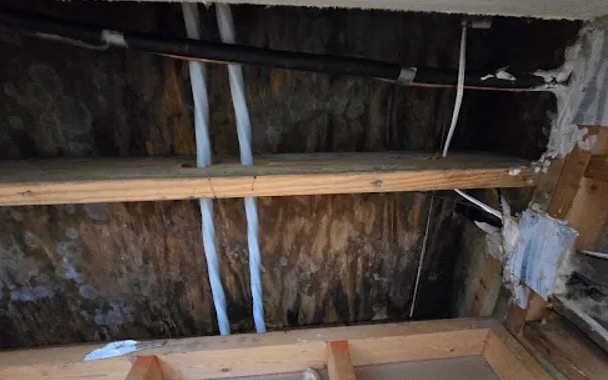
Attic leaks that run for a long time in Goshen can rot roof decking and rust fasteners. Even after the roof is fixed, that wood stays wet unless it is dried.
A heavy storm in Goshen can push water into an attic overnight. Local water damage restoration experts serve Goshen and nearby Loveland, Milford and Indian Hill, with help available around the clock.
Specialized Attic Water Removal for Goshen
Roof Leak Water Removal
The entry point is photographed and marked, which helps both the roofer and your insurance adjuster.
Attic Moisture Inspection
The inspection shows the full spread of the leak, so every wet area is either dried or removed.
Attic Drying Services
Equipment is adjusted daily, moving airflow from areas that are dry to areas that still read wet.
Emergency Attic Water Extraction
Water sitting on top of ceiling drywall adds weight fast. Removing it quickly can mean the difference between drying a ceiling and replacing it.
Ceiling Water Damage Cleanup
Fallen drywall, wet insulation and debris in the room below are cleaned up, and floors and furniture are protected during the work.
Symptoms Requiring Attic Water Removal in Goshen
Peeling Paint on Ceilings or Walls
Paint that peels or blisters on upstairs ceilings and walls often has water behind it.
Visible Mold in Attic Spaces
Dark spots on rafters or roof decking mean the wood has stayed damp for days or longer.
Rotting Wood on Attic Beams
Soft, dark or crumbling wood on rafters and beams points to long-term moisture.
Sagging or Bubbling Ceiling Drywall
Ceiling drywall that sags, bulges or bubbles at the seams is holding water and may fall.
How Attic Water Removal Works in Goshen
Step 1: Initial Attic Water Damage Assessment
The pros check safety, find the source and map the wet area with moisture meters.
Step 2: Bulk Water and Material Removal
Pooled water, soaked insulation and any sagging drywall are removed from the attic and ceiling.
Step 3: Attic Drying and Evaporation
Warm, dry airflow is aimed at wet wood, with dehumidifiers removing the moisture it releases.
Step 4: Attic Mold Prevention
Once dry, decking and framing that stayed wet can be cleaned and treated with an antimicrobial.
Leading Origins of Attic Water Damage
Roof Leaks From Damaged Shingles
Cracked, missing or lifted shingles let rain reach the decking and drip into the attic.
Storm Damage From High Winds or Hail
High winds and hail can damage shingles and open the roof to rain during a storm.
Ice Dam Formation on Roof Edges
Ice dams at the roof edge force melting snow back under shingles and into the attic.
HVAC System Leaks or Drain Pan Overflow
An attic air handler overflows when its condensate line clogs or the drain pan cracks.
Attic Water Removal for Homes and Businesses
Residential Attic Water Removal
In townhomes and condos, a shared attic can carry water into a neighbor's ceiling. Clear photos and readings help sort out repairs with the association.
Commercial Attic Water Removal
Property managers get records for each affected suite or unit, which helps with roof repair planning and insurance claims.
Professional Attic Water Removal Compared to DIY
Catching drips with a bucket and moving furniture out of the way is a smart first step. Call the experts if water is pooling in the attic, the ceiling is stained or sagging, or insulation is wet.
Attic Water Removal Cost in Goshen, OH
The pros inspect the attic and the ceiling before pricing attic water removal in Goshen, then explain what will be removed and dried.
Drying Time Required
Dense wood framing can take several days to dry, which adds equipment time.
Mold Prevention Measures
Antimicrobial treatment of wood that stayed wet is an added step, priced by area.
Water Contamination Level
Clean rainwater is simpler to handle than water from a drain line or other dirty source.
Does Insurance Cover Attic Water Removal?
Ceiling damage in the rooms below is usually part of the same attic claim. Make sure the adjuster sees both spaces.
The Value of Local Attic Water Removal Experts
Damage Documentation
Photos, readings and a list of removed materials are kept for insurance.
Structural Drying Focus
Rafters, decking and the ceiling are dried, not just the spot under the drip.
Advanced Moisture Detection
Moisture meters and thermal cameras find wet wood and insulation that look dry.
24/7 Emergency Attic Water Removal in Goshen
If water is dripping from a light fixture, shut off that circuit at the panel and keep clear. Then call (513) 854-7491 for help in Goshen.
Call Now (513) 854-7491Attic Water Removal Service Area Around Goshen
Nearby areas served for attic water removal include Loveland, Milford and Indian Hill, with the same water removal and drying steps used in Goshen.
- Attic Water Removal in Loveland
- Attic Water Removal in Milford
- Attic Water Removal in Indian Hill
- Attic Water Removal in Blanchester
- Attic Water Removal in Montgomery
- Attic Water Removal in Batavia
- Attic Water Removal in Williamsburg
- Attic Water Removal in Mason
- Emergency Damage Restoration in 45122
- Storm Damage Restoration in 45122
- Water Damage Restoration in 45122
- Water Extraction Service in 45122
- Water Leak Detection in 45122
- Water Removal Service in 45122
Frequently Asked Questions About Attic Water Removal
What is an attic moisture inspection?
A check of rafters, decking, insulation and the ceiling below with moisture meters and thermal cameras to find all wet areas.
What does water damaged attic restoration include after drying?
New insulation, any decking or framing repairs, and ceiling drywall replacement and paint in the room below.
Do I need ceiling water damage cleanup too?
Usually. Water in the attic soaks the ceiling below, which needs to be checked and dried or replaced.
Can I remove attic water myself?
Only small amounts that are easy to reach safely. Pooled water and soaked insulation need safe footing and drying equipment.
What is involved in attic water removal?
Stopping the source, removing pooled water, bagging wet insulation, drying the framing and decking, and checking the ceiling below.