Springfield Township, OH · Hamilton County
Attic Water Removal in Springfield Township, OHWet Attic Insulation Removal & Attic Leak Water Cleanup
Attic Water Removal in Springfield Township runs from roof leak water removal and wet attic insulation removal to ceiling water damage cleanup.
Answered 24/7
Attic Water Removal Services for Springfield Township Homes
In Springfield Township, the most common attic water sources are roof leaks, attic AC units and plumbing that runs through the attic. Each one needs to be stopped before drying can work.
In Springfield Township, Mount Healthy, Wyoming and Finneytown, many attic leaks go unnoticed until the ceiling stains. The pros get the water and wet insulation out before the ceiling has to be replaced.
Attic Water Removal Services in Springfield Township
Wet Attic Insulation Removal
Insulation that got soaked is removed from the wet bays and bagged. Leaving it in place keeps the ceiling drywall damp for weeks.
Attic Leak Water Cleanup
The leak is stopped or tarped first, then water on the attic floor, on top of the drywall and around ducts and wiring is removed with wet vacs.
Attic Moisture Inspection
The inspection shows the full spread of the leak, so every wet area is either dried or removed.
Emergency Attic Water Extraction
Water sitting on top of ceiling drywall adds weight fast. Removing it quickly can mean the difference between drying a ceiling and replacing it.
Attic Drying Services
Equipment is adjusted daily, moving airflow from areas that are dry to areas that still read wet.
Signs of Attic Water Damage in Springfield Township
Peeling Paint on Ceilings or Walls
Paint that peels or blisters on upstairs ceilings and walls often has water behind it.
Water Dripping From Light Fixtures
Water dripping from a ceiling light or fan means an active leak above. Turn off that circuit.
Visible Mold in Attic Spaces
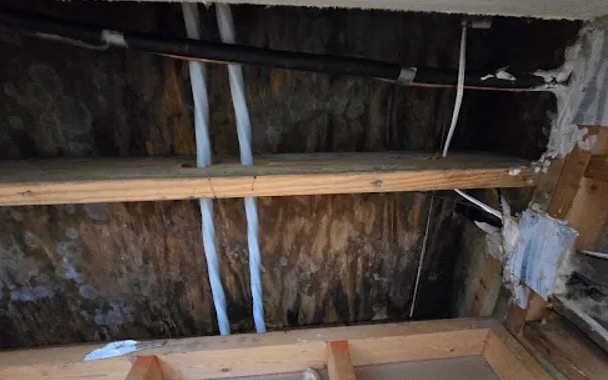
Dark spots on rafters or roof decking mean the wood has stayed damp for days or longer.
Condensation on Attic Windows or Nails
Damp nail tips or water droplets on attic surfaces point to moisture or ventilation problems.
How Attic Water Removal Works in Springfield Township
Step 1: Attic Flood Cleanup Response
Active drips are contained with buckets and plastic, and the room below is protected.
Step 2: Targeted Attic Moisture Removal
Water is vacuumed from between joists and on top of drywall, starting where it is deepest.
Step 3: Attic Dehumidification
Dehumidifiers pull moisture from the attic air while air movers dry the wet framing.
Step 4: Documentation for Restoration
Photos and moisture readings are compiled to show what was removed and when the attic dried.
Frequent Sources of Attic Water Damage in Springfield Township
Flashing Failures Around Roof Penetrations
Failed flashing around vents, chimneys and skylights lets rain run into the attic.
Condensation From Poor Attic Ventilation
Moist air from the house condenses on roof decking when attic ventilation is poor.
Burst or Leaking Plumbing Pipes
Supply lines and drain pipes in the attic can crack or burst onto the ceiling.
Roof Leaks From Damaged Shingles
Cracked, missing or lifted shingles let rain reach the decking and drip into the attic.
Residential and Commercial Attic Water Removal in Springfield Township
Residential Attic Water Removal
Homeowners with stored items in the attic need those moved out first. Wet boxes are dried or discarded before the attic floor is cleaned and dried.
Commercial Attic Water Removal
Offices and stores need the space below protected while attic work is under way. Drying is planned around business hours where possible.
The Risks of DIY Attic Water Removal in Springfield Township
A fan in the room below does little for wet attic wood. Drying the attic takes equipment up there and readings to confirm it is dry.
Factors Influencing Attic Water Removal Cost
The pros inspect the attic and the ceiling before pricing attic water removal in Springfield Township, then explain what will be removed and dried.
Secondary Damage Repairs
Ceiling drywall replacement and paint in the room below add to the total.
Mold Prevention Measures
Antimicrobial treatment of wood that stayed wet is an added step, priced by area.
Emergency Service Timing
Storm, night and holiday calls can cost more than a scheduled visit.
Does Insurance Cover Attic Water Removal?
Insurers often ask what caused the leak and how long it ran. Notes on the entry point and roof condition help answer those questions.
Benefits of Local Pros for Attic Water Removal
24/7 Emergency Response
Help is available day or night when water is coming through the ceiling.
Source Identification
The pros trace the water to its source and note it for the roofer or plumber.
Industry Drying Standards
Drying follows industry water damage standards, with moisture readings taken at every visit.
Emergency Attic Water Removal Available Anytime
Ceiling sagging under the weight of water? Keep people out of the room below and call (513) 854-7491 now for attic water removal in Springfield Township.
Call Now (513) 854-7491Attic Water Removal Service Area Around Springfield Township
Nearby areas served for attic water removal include Mount Healthy, Wyoming and Finneytown, with the same water removal and drying steps used in Springfield Township.
Frequently Asked Questions About Attic Water Removal
Do I need ceiling water damage cleanup too?
Usually. Water in the attic soaks the ceiling below, which needs to be checked and dried or replaced.
What should I do while waiting for attic leak water cleanup?
Catch drips, move belongings, stay out from under sagging ceilings and turn off power to wet light fixtures.
What equipment is used for attic water extraction?
Wet vacs, pumps, air movers, dehumidifiers, moisture meters and thermal cameras, plus vacuums for wet insulation.
What is an attic moisture inspection?
A check of rafters, decking, insulation and the ceiling below with moisture meters and thermal cameras to find all wet areas.
Can I remove attic water myself?
Only small amounts that are easy to reach safely. Pooled water and soaked insulation need safe footing and drying equipment.