Dry Run, OH · Hamilton County
Basement Water Damage Restoration in Dry Run, OHEmergency Basement Flood Cleanup & Basement Floor Water Removal
Basement Water Damage Restoration in Dry Run runs from basement water extraction and basement floor water removal to basement dehumidification.
Answered 24/7
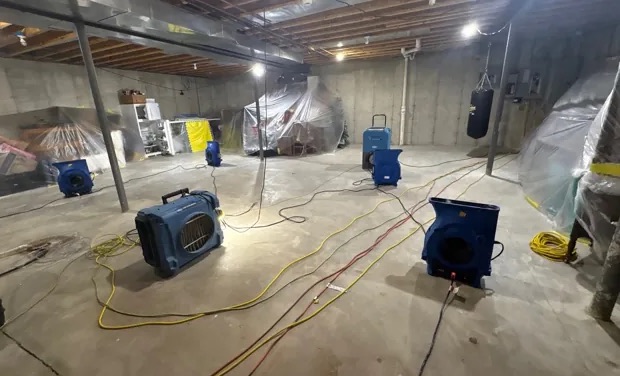
Expert Basement Water Damage Restoration Serving Dry Run
Sewage backups are one of the most common problems in any basement or lower level, including in Dry Run. Water coming up through a floor drain or basement toilet carries bacteria and needs a different cleanup than clean water.
Homeowners in Dry Run can call (513) 854-7491 day or night when water is rising in the basement. Service also covers Anderson Township, Mount Carmel and Cherry Grove, with the same pumping and drying steps.
Complete Basement Water Damage Restoration for Dry Run
Emergency Basement Flood Cleanup
Help is available any hour when water is rising in the basement from a burst pipe, a sewer backup or heavy rain.
Basement Floor Water Removal
Water on a concrete floor is squeegeed and extracted, and floor coverings such as carpet, vinyl or laminate are lifted to dry the slab.
Basement Wall Drying
Concrete and block walls are dried with directed airflow and dehumidifiers, and checked with meters until readings drop.
Basement Dehumidification
Large dehumidifiers pull moisture from the basement air so walls, framing and the slab can release their water.
Basement Water Extraction
Extraction starts at the lowest point, often near the floor drain or sump, and works outward until no pooled water remains.
Warning Signs You Need Basement Water Damage Restoration
Damp or Musty Odors
A damp, earthy or musty smell in the basement often means hidden moisture in walls, carpet or the slab.
Wet or Stained Basement Walls
Dark, wet patches or tide lines on basement walls show where water seeped in or wicked up.
Efflorescence on Concrete Walls
White, chalky deposits on concrete walls mean water is moving through the concrete and leaving minerals behind.
Peeling Paint or Wallpaper
Paint that peels or blisters on basement walls often has moisture behind it.
How Basement Water Damage Restoration Works in Dry Run
Step 1: Floodwater Pump-Out
Submersible pumps remove deep water, and electrical hazards are checked before anyone walks in it.
Step 2: Deep Moisture Extraction
Extractors pull water from carpet, pad and the concrete floor after the deep water is gone.
Step 3: Air Circulation and Drying
Air movers keep dry air moving across walls and floors throughout the basement.
Step 4: Dehumidification and Verification
Dehumidifiers run until humidity and material readings confirm the basement is dry.
What Causes Basement Water Damage Restoration in Dry Run
Foundation Cracks and Leaks
Cracks in foundation walls let groundwater and melting snow seep into the basement.
Sewer Line Backups
A blocked or overloaded sewer line pushes wastewater up through basement drains and toilets.
Failed or Clogged Drain Tile
Clogged or collapsed drain tile around the foundation lets water build up against the walls.
Plumbing Pipe Bursts or Leaks
Supply lines and drain pipes in basement ceilings can crack or burst onto the floor below.
Both Residential & Commercial Basement Water Damage Restoration in Dry Run
Residential Basement Water Damage Restoration
In homes, a flooded basement often means damaged carpet, drywall, a furnace or water heater and stored belongings. Water is pumped out, contents are moved and the space is dried.
Commercial Basement Water Damage Restoration
In commercial buildings, basements hold mechanical rooms, storage and sometimes offices. Water is removed and equipment areas are dried so systems can be checked and restarted.
Basement Water Damage Restoration: Professional Help vs. Doing It Yourself in Dry Run
Keeping gutters and downspouts clear and checking water heater and washer hoses are good DIY steps before storm season. Once water is on the floor, call (513) 854-7491.
Basement Water Damage Restoration Cost in Dry Run, OH
The cost of basement water damage restoration in Dry Run depends on how much water there is, whether it is clean or sewage and how much finished material must be removed.
Access Complexity
Narrow stairs, low ceilings and stored contents can make the work slower.
Emergency Service
Night, weekend and storm calls can cost more than a scheduled visit.
Drying Time Required
Basements dry slowly, and longer drying means more equipment days and monitoring visits.
Does Insurance Cover Basement Water Damage Restoration?
Coverage for groundwater seepage and backups varies widely between policies. Ask your adjuster whether your policy includes it before work begins.
The Value of Local Pros for Basement Water Damage Restoration in Dry Run
Structural Integrity Assessment
Walls, stairs and framing are checked for damage before work begins in the basement.
Industrial-Grade Equipment
Pumps, extractors and large dehumidifiers remove water much faster than household wet vacs and fans.
Mold Prevention Focus
Fast drying is the main way to limit microbial growth in a below-grade space.
Dry Run Emergency Basement Water Damage Restoration Response
Sewage coming up through a floor drain? Stop using water in the house and call (513) 854-7491 now for basement water damage restoration in Dry Run.
Call Now (513) 854-7491Basement Water Damage Restoration Near Dry Run: Areas Served
Nearby areas served for basement water damage restoration include Anderson Township, Mount Carmel and Cherry Grove, with the same pumping and drying steps used in Dry Run.
- Basement Water Damage Restoration in Anderson Township
- Basement Water Damage Restoration in Mount Carmel
- Basement Water Damage Restoration in Cherry Grove
- Basement Water Damage Restoration in Forestville
- Basement Water Damage Restoration in Withamsville
- Basement Water Damage Restoration in Indian Hill
- Basement Water Damage Restoration in Kenwood
- Basement Water Damage Restoration in Madeira
- Emergency Damage Restoration in 45244
- Storm Damage Restoration in 45244
- Water Damage Restoration in 45244
- Water Extraction Service in 45244
- Water Leak Detection in 45244
- Water Removal Service in 45244
FAQ for Basement Water Damage Restoration in Dry Run
What is the purpose of basement wall drying?
To remove water from drywall, insulation, framing and concrete so the walls can be repaired without trapping moisture.
How is basement restoration documented for insurance?
With photos of the water level and damage, moisture readings, a list of removed materials and daily drying logs.
Should I try below-grade waterproofing myself after flooding?
Sealing a small crack can be a DIY job, but drying must come first, and larger waterproofing work should go to a contractor.
Does basement mold prevention need special steps after flooding?
Fast drying is the main step. Wood and concrete that stayed wet can be treated with an antimicrobial once dry.
How is basement sewer backup cleanup different from regular flooding?
Sewage carries bacteria, so it needs protective gear, removal of porous materials and disinfection before drying.