Falmouth, KY · Pendleton County
Basement Water Removal in Falmouth, KYSump Pump Failure Water Cleanup & Basement Drying Services
Basement Water Removal in Falmouth covers basement water pump out, basement wall drying and basement dehumidification after a flood.
Answered 24/7
Basement Water Removal Solutions for Falmouth Homeowners
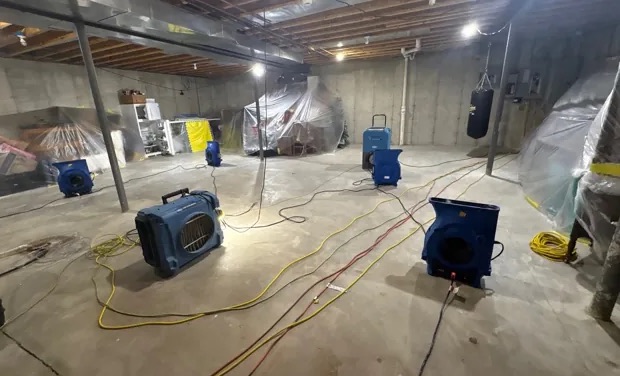
Dehumidification is the slow but necessary part of basement water removal in Falmouth. Pumps remove standing water quickly, but walls and concrete keep releasing moisture for days.
Homes in Falmouth and nearby Williamstown, Moscow and Dry Ridge with basements face storm seepage, sewer backups and plumbing leaks. Help with basement water removal covers pump-out, wall and floor drying and dehumidification.
The Basement Water Removal Process in Falmouth
Sump Pump Failure Water Cleanup
Cleanup after a sump failure includes drying the area around the pit and noting whether the pump, switch or power was the cause.
Basement Drying Services
After pumping, air movers and dehumidifiers dry the walls, framing and slab. Readings are taken daily until every surface is back to normal.
Emergency Basement Flooding
Emergency response starts with making power safe, stopping the source if possible and pumping out the water.
Basement Dehumidification
After drying, a household dehumidifier may still be needed to keep basement humidity in a healthy range.
Basement Water Pump Out
Pumping starts once power to the basement is safe. Deep water goes first, then extractors handle the thin layer left on the floor.
When to Call for Basement Water Removal in Falmouth
Wet or Damp Basement Walls
Basement walls that look dark, feel damp or show tide lines are taking on or holding water.
Efflorescence on Concrete Walls
White, powdery deposits on concrete walls mean water is passing through the masonry.
Mold or Mildew
Dark spots on drywall, framing or stored items mean the area has stayed wet for days.
Sump Pump Failure or Overflow
A sump pit that is full, overflowing or has a pump that will not start means water is about to spread.
How Basement Water Removal Works in Falmouth
Step 1: First Call and Initial Assessment
The source, the type of water and the depth are checked, and the water level is photographed.
Step 2: Bulk Water and Contaminant Removal
Pumps remove standing water, and carpet, pad or drywall touched by dirty water is removed.
Step 3: Drying With Monitoring
Dehumidifiers and air movers run around the clock, with readings logged every day on walls and slab.
Step 4: Post-Drying Evaluation and Documentation
Final readings and photos are compiled to show the basement is dry and what was removed.
What Causes Water Damage in Basements
Foundation Cracks and Seepage
Cracks in foundation walls and the slab let groundwater seep in during wet weather.
Sump Pump Malfunction or Power Loss
A sump pump that fails mechanically or loses power during a storm lets groundwater rise.
Sewer Line Backups and Blockages
A blocked sewer line can push wastewater up through basement floor drains and toilets.
Appliance Malfunctions and Overflows
Washers, utility sinks and water softeners in the basement can overflow or leak.
Residential and Commercial Basement Water Removal in Falmouth
Residential Basement Water Removal
Finished basements used as bedrooms or family rooms need careful moisture checks behind walls and under flooring, since that is where water hides.
Commercial Basement Water Removal
Businesses with below-grade storage need wet inventory moved out and documented. Drying is planned around daily operations wherever possible.
Professional Basement Water Removal Versus Do-It-Yourself
You can move belongings up off the floor and run the dehumidifier you already own. Drying soaked walls and slab needs larger equipment and readings to confirm the job is done.
Investing in Professional Basement Water Removal
Sewage cleanup, finished walls, after-hours calls and damaged appliances all add to the total for basement water removal in Falmouth.
Additional Services
Antimicrobial treatment, contents cleaning and repairs after drying add to the cost.
Access and Complexity
Narrow stairs, low ceilings and crowded storage areas make the work slower and longer.
Time of Service
Night, weekend and storm calls can cost more than a scheduled weekday visit.
Does Insurance Cover Basement Water Removal?
Coverage for basement water removal depends on the water source and your policy. The pros document the damage and drying, and your insurer decides what is covered.
Why Choose Local Pros for Basement Water Removal in Falmouth
Focus on Drying Outcomes
Drying continues until readings are normal, not just until surfaces look dry.
Moisture Inspection
Meters and thermal cameras find water in walls, floors and slab that looks dry.
Detailed Damage Documentation
Photos, readings and drying logs are kept to support your insurance claim.
Emergency Basement Water Removal Available 24/7
Standing water in a basement soaks walls and floors by the hour. Call (513) 854-7491 for basement water removal in Falmouth at any time, day or night.
Call Now (513) 854-7491Basement Water Removal Near Falmouth: Areas Served
Need basement water removal outside Falmouth? Service also covers Williamstown, Moscow and Dry Ridge, including emergency help during storms.
- Basement Water Removal in Williamstown
- Basement Water Removal in Moscow
- Basement Water Removal in Dry Ridge
- Basement Water Removal in Brooksville
- Basement Water Removal in Augusta
- Basement Water Removal in Alexandria
- Basement Water Removal in New Richmond
- Basement Water Removal in Independence
- Emergency Damage Restoration in 41040
- Storm Damage Restoration in 41040
- Water Damage Restoration in 41040
- Water Extraction Service in 41040
- Water Leak Detection in 41040
- Water Removal Service in 41040
Answers to Top Basement Water Removal Queries
Can wet drywall in a basement be saved?
Sometimes, if the water was clean and removed quickly. Soaked or contaminated drywall is cut out above the water line.
What is the difference between a pump out and extraction?
A pump out removes deep standing water. Extraction pulls the remaining water from carpet, pad and floors.
Why is fast water removal so important for basements?
Basements dry slowly, so every hour of standing water adds drying days and more materials to replace.
Does basement flood cleanup include mold prevention?
Fast drying is the main prevention. Wood and concrete that stayed wet can be treated with an antimicrobial once dry.
What is involved in basement water removal?
Making power safe, pumping out standing water, extracting floors and carpet, removing soaked materials and dehumidifying until dry.