Wyoming, OH · Hamilton County
Basement Water Removal in Wyoming, OHEmergency Basement Flooding & Basement Dehumidification
After a burst pipe or storm, Basement Water Removal in Wyoming means basement water pump out, basement wall drying and basement drying services.
Answered 24/7
Reliable Basement Water Removal Near Wyoming, Ohio
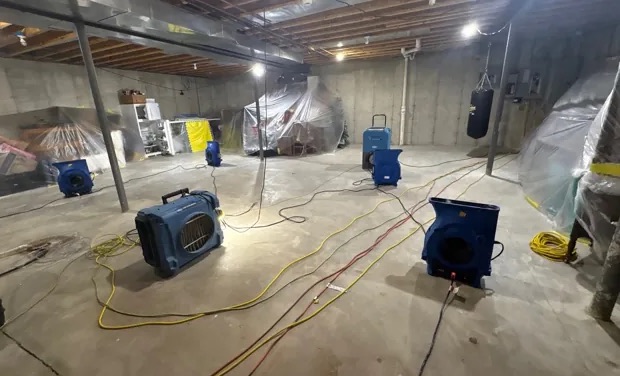
Dehumidification is the slow but necessary part of basement water removal in Wyoming. Pumps remove standing water quickly, but walls and concrete keep releasing moisture for days.
Homes in Wyoming and nearby Reading, Springfield Township and Finneytown with basements face storm seepage, sewer backups and plumbing leaks. Help with basement water removal covers pump-out, wall and floor drying and dehumidification.
Specialized Basement Water Removal for Wyoming
Emergency Basement Flooding
Emergency response starts with making power safe, stopping the source if possible and pumping out the water.
Basement Dehumidification
Dehumidifiers run continuously during drying, and their output is checked to track how much water is still coming out of the materials.
Basement Drying Services
After pumping, air movers and dehumidifiers dry the walls, framing and slab. Readings are taken daily until every surface is back to normal.
Basement Wall Drying
Opening the bottom of finished walls lets air reach the studs and sill plate, which otherwise stay wet behind the drywall.
Sump Pump Failure Water Cleanup
When a sump pump stops, groundwater spreads across the floor. The water is pumped out and the floor and lower walls are extracted.
Warning Signs You Need Basement Water Removal
High Humidity and Condensation
Water on pipes and windows, or a constantly clammy feel, means basement humidity is too high.
Gurgling Sounds From Drains
Gurgling floor drains or slow drains can be an early sign of a sewer line problem.
Wet or Damp Basement Walls
Basement walls that look dark, feel damp or show tide lines are taking on or holding water.
Soggy or Wet Carpeting
Carpet that feels damp or smells sour is holding water in the pad against the concrete.
How Basement Water Removal Works in Wyoming
Step 1: Emergency Water Extraction
Power is made safe, then pumps and extractors remove standing water from the basement floor.
Step 2: Detailed Moisture Inspection
Meters map wet walls, framing and slab areas, including behind finished walls and under flooring.
Step 3: Drying and Dehumidification
Air movers and large dehumidifiers run continuously, with readings checked every day.
Step 4: Final Verification and Monitoring
Readings are compared to dry areas, and equipment is removed only when the basement tests dry.
Sources of Basement Water Problems
Improper Landscape Grading
Soil that slopes toward the house directs rainwater straight to the basement walls.
Clogged or Damaged Gutters
Clogged gutters and short downspouts dump roof water right next to the foundation.
Plumbing Leaks or Pipe Bursts
Supply lines, drain pipes and water heaters in the basement can leak or burst onto the floor.
Foundation Cracks and Seepage
Cracks in foundation walls and the slab let groundwater seep in during wet weather.
Professional Basement Water Removal for All Properties
Residential Basement Water Removal
Families should keep children and pets away from basement water until power is safe and the type of water is known.
Commercial Basement Water Removal
In restaurants and shops, basement water near food or stock storage needs removal and cleaning before those areas are used again.
Professional Basement Water Removal Versus Do-It-Yourself
A small puddle on bare concrete can be handled with a wet vac, towels and a dehumidifier. Call local basement water removal pros if water reached carpet, drywall or framing, or covers much of the floor.
Understanding Basement Water Removal Pricing
The cost of basement water removal in Wyoming depends on how deep the water is, what type of water it is and how much finished material has to come out.
Time of Service
Night, weekend and storm calls can cost more than a scheduled weekday visit.
Drying Time Required
Basements dry slowly, and each extra day of equipment adds to the total.
Affected Materials
Finished walls, carpet and laminate take more removal work than bare concrete.
Does Insurance Cover Basement Water Removal?
Ask your adjuster early how your policy treats seepage and sewer backups, since many policies limit or exclude both kinds of water.
Advantages of Local Basement Water Removal Experts
Methodical Water Removal Process
Water is removed in a set order: pump-out, extraction, removal of soaked materials, then drying.
Advanced Drying Equipment
Pumps, extractors and large dehumidifiers remove water much faster than household tools.
Focus on Drying Outcomes
Drying continues until readings are normal, not just until surfaces look dry.
Emergency Basement Flood Response in Wyoming
Basement taking on water in Wyoming? Make power safe if you can, move what you can and call (513) 854-7491. Help is available 24/7.
Call Now (513) 854-7491Basement Water Removal Serving Wyoming and Surroundings
Help with basement water removal reaches Reading, Springfield Township and Finneytown, plus other communities around Wyoming, for finished and unfinished basements alike.
- Basement Water Removal in Reading
- Basement Water Removal in Springfield Township
- Basement Water Removal in Finneytown
- Basement Water Removal in Sharonville
- Basement Water Removal in Springdale
- Basement Water Removal in Mount Healthy
- Basement Water Removal in Deer Park
- Basement Water Removal in Forest Park
- Emergency Damage Restoration in 45215
- Storm Damage Restoration in 45215
- Water Damage Restoration in 45215
- Water Extraction Service in 45215
- Water Leak Detection in 45215
- Water Removal Service in 45215
- Emergency Damage Restoration in 45216
- Storm Damage Restoration in 45216
Basement Water Removal FAQs
What is the difference between a pump out and extraction?
A pump out removes deep standing water. Extraction pulls the remaining water from carpet, pad and floors.
Why is fast water removal so important for basements?
Basements dry slowly, so every hour of standing water adds drying days and more materials to replace.
How is basement wall drying done?
Wet drywall is cut back, insulation removed and directed airflow and dehumidifiers dry the studs and masonry.
What equipment is used for basement water extraction?
Submersible pumps, extractors, wet vacs, air movers, large dehumidifiers and moisture meters to confirm drying.
What is involved in basement water removal?
Making power safe, pumping out standing water, extracting floors and carpet, removing soaked materials and dehumidifying until dry.