Dry Run, OH · Hamilton County
Behind Wall Water Extraction in Dry Run, OHEmergency Behind Wall Water Removal & Interior Wall Drying Services
Get behind wall water extraction in Dry Run for emergency behind wall water removal, wall cavity water extraction and interior wall drying services.
Answered 24/7
Local Behind Wall Water Extraction Solutions in Dry Run, Ohio
A wall that stays wet in Dry Run can rot the bottom plate, rust fasteners and give microbial growth a place to start behind the drywall where no one sees it.
In Dry Run, Anderson Township, Mount Carmel and Cherry Grove, many wall leaks start at windows and exterior penetrations during storms. The pros dry the cavity and note the entry point.
Comprehensive Behind Wall Water Extraction Offered in Dry Run
Emergency Behind Wall Water Removal
Emergency removal starts with shutting off the water, then opening the wall where needed and extracting water from the cavity and floor.
Interior Wall Drying Services
Directed drying often saves drywall that would otherwise be cut out, as long as the water was clean and caught early.
Post-Extraction Wall Sanitization
If the water came from a drain or sewer line, the cavity is cleaned and disinfected before it is closed up.
Moisture Barrier Installation
Barrier replacement is done after the cavity is dry, so moisture is not sealed in behind new materials.
Wet Drywall
A meter shows exactly how high the water wicked up the drywall, so the cut is made only where it is needed.
Signs of Hidden Water Damage in Dry Run Homes
Dampness on Wall Surfaces
A wall that feels cool and damp to the touch may have wet insulation or drywall behind it.
Sounds of Dripping Inside Walls
Dripping or running water sounds inside a wall when no fixture is on usually mean a pipe leak.
Unexplained Water Stains
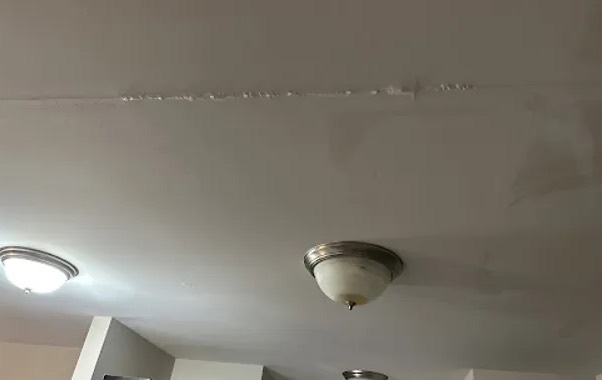
A stain on a wall with no obvious source usually means water is coming from inside the wall or above it.
Sagging or Drooping Drywall
Drywall that sags or droops is holding water and can fail. Keep clear and call for help.
How Behind Wall Water Extraction Works in Dry Run
Step 1: Hidden Water Damage Inspection
Meters and thermal cameras map the wet area inside the wall and along the floor beside it.
Step 2: Wall Cavity Water Extraction
Baseboards or small sections are removed, and water and wet insulation are pulled from the cavity.
Step 3: Interior Wall Drying Process
Dry air is directed into the cavity while dehumidifiers run, with readings taken every day.
Step 4: Post-Extraction Verification and Sanitization
Final readings confirm dry framing, and surfaces that stayed wet can be cleaned and treated.
Why You Might Need Behind Wall Water Extraction in Dry Run
Faulty Shower or Tub Enclosure
Failed grout, caulk or a shower valve leak lets water into the wall behind the shower.
Overflow From Adjacent Rooms
Water from an overflowing tub or burst line in the next room runs under the wall into its cavity.
Foundation Cracks and Seepage
Groundwater seeping through foundation cracks can wet the bottom of lower-level walls.
Window or Door Seal Failure
Worn caulk and flashing around windows and doors let rain into the wall during storms.
Behind Wall Water Extraction for Homes and Businesses in Dry Run
Residential Behind Wall Water Extraction
In apartments and condos, a leak in one wall can reach the unit next door. Both sides of a shared wall are checked and dried, with records for each.
Commercial Behind Wall Water Extraction
Property managers get photos, readings and source notes for each affected unit, which helps with plumbing repairs and insurance.
Behind Wall Water Extraction: Professional Help vs. DIY in Dry Run
You can shut off the water, turn off power to outlets on the wet wall and take photos. Finding and drying water inside a wall takes meters, thermal cameras and drying equipment.
Factors Influencing Behind Wall Water Extraction Price in Dry Run
Insulation replacement, drain water cleanup, drywall patching and after-hours calls all add to the total for behind wall water extraction in Dry Run.
Extent of Saturation
Drywall and framing that soaked for weeks need more drying time or replacement than a fresh leak.
Drying Equipment Used
The number of air movers and dehumidifiers, and how long they run, affect the total.
Access Method Needed
Drying through small holes costs less than cutting out and replacing large sections of drywall.
Does Insurance Cover Behind Wall Water Extraction?
Many policies pay to open the wall and repair the water damage, but not to replace the worn pipe that caused it. Ask your adjuster how your policy handles this.
Why Choose Local Pros for Behind Wall Water Extraction in Dry Run
Damage Assessment
The whole wall and the rooms beside it are checked, so hidden damage is not missed.
Industry Drying Standards
Drying follows industry water damage standards, with readings taken at every visit.
Focused Wall Leak Identification
The source is traced and photographed so the plumber or roofer knows exactly what to fix.
Emergency Behind Wall Water Extraction Response in Dry Run, OH
A burst pipe inside a wall floods fast. Call (513) 854-7491 for behind wall water extraction in Dry Run at any hour, day or night, including holidays.
Call Now (513) 854-7491Behind Wall Water Extraction Near Dry Run: Areas Served
Need behind wall water extraction outside Dry Run? Service also covers Anderson Township, Mount Carmel and Cherry Grove, including emergency help for burst pipes.
- Behind Wall Water Extraction in Anderson Township
- Behind Wall Water Extraction in Mount Carmel
- Behind Wall Water Extraction in Cherry Grove
- Behind Wall Water Extraction in Forestville
- Behind Wall Water Extraction in Withamsville
- Behind Wall Water Extraction in Indian Hill
- Behind Wall Water Extraction in Kenwood
- Behind Wall Water Extraction in Madeira
- Emergency Damage Restoration in 45244
- Storm Damage Restoration in 45244
- Water Damage Restoration in 45244
- Water Extraction Service in 45244
- Water Leak Detection in 45244
- Water Removal Service in 45244
Your Behind Wall Water Extraction Questions for Dry Run
What happens during a wall moisture inspection?
Readings are taken across the wall and nearby floors and walls, and thermal images show the wet pattern.
When is wet drywall and insulation removal required?
When drywall is soft, crumbling or wet with dirty water, or when insulation is soaked. Lightly damp drywall can sometimes be dried.
What follows after behind wall water removal?
Once readings are normal, insulation is replaced, drywall is patched and the wall is finished and painted.
What is behind wall water extraction?
Finding water inside a wall cavity, removing it through small openings or removed drywall, and drying the framing and insulation until readings are normal.
Is wall cavity drying always needed after extraction?
Yes. Extraction removes standing water, but studs, plates and insulation stay wet inside a closed wall unless they are dried.