Cincinnati, OH · Hamilton County
Black Water Cleanup in Cincinnati, OHContaminated Carpet Water Extraction & Toilet Overflow Water Removal
Black Water Cleanup in Cincinnati runs from sewage backup water extraction and contaminated carpet water extraction to black water drying.
Answered 24/7
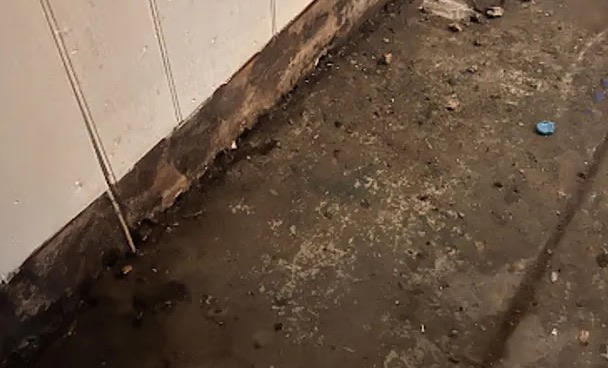
Black Water Cleanup Available in Cincinnati
Floodwater from outside in Cincinnati, whether from a storm sewer or rising water, picks up soil, chemicals and sewage on its way into a home. It is handled as Category 3.
In Cincinnati, many black water calls start with a floor drain or toilet backing up. Local black water extraction pros serve Cincinnati, Covington, Newport and Fort Mitchell, containing the area and cleaning it safely.
Detailed Black Water Cleanup Methods for Cincinnati
Contaminated Carpet Water Extraction
Once contaminated carpet is out, the subfloor is cleaned, treated and dried before any new flooring goes down.
Toilet Overflow Water Removal
Toilet water that has spread across a floor is treated as contaminated. It is extracted, and floors, baseboards and lower walls are disinfected.
Sewage Backup Water Extraction
Sewage that backs up through floor drains, toilets or tubs is extracted with protective gear, and the area is sealed off from clean rooms.
Sewage Damage Report for Insurance
Documentation starts before cleanup, with photos of the water level and affected rooms, and continues through final drying.
Flooded Basement Sewage Cleanup
Below-grade spaces dry slowly, so after cleaning and disinfection, dehumidifiers run until walls and slab test dry.
Signs of Black Water Contamination in Cincinnati Homes
Persistent Dampness After Flood
Areas that stay damp and smell after a flood still hold contaminated water in floors or walls.
Standing Water After Heavy Rain
Standing water after heavy rain that came from outside should be treated as contaminated.
Toilet Overflow Spreading Water
Toilet water spreading across the bathroom floor is treated as contaminated, even if it looks clear.
Visible Sewage in Crawlspace
Sewage or standing dirty water in a crawl space needs extraction and disinfection before drying.
How Black Water Cleanup Works in Cincinnati
Step 1: Source Identification and Stop
Water use is stopped and the backup source is found, such as a sewer or septic problem.
Step 2: Category 3 Water Extraction
Contaminated water is extracted with protective gear and removed materials are bagged.
Step 3: Antimicrobial Treatment Application
Disinfected surfaces are treated with an antimicrobial to slow mold during drying.
Step 4: Verification of Dry Conditions
Final readings are compared to dry areas before the space is released for repairs.
Common Sources of Category 3 Water Damage in Cincinnati
Groundwater Infiltration
Groundwater seeping into damaged sewer lines can overload them and cause backups.
Sewer Main Line Blockage
Tree roots, grease and debris block the main sewer line and push wastewater back into the home.
Broken Sewage Pipe
Cracked or collapsed sewer pipes leak wastewater under slabs, in crawl spaces and inside walls.
Toilet Clog or Malfunction
A clogged toilet overflows onto the floor and can soak through to the room below.
Black Water Cleanup for Homes and Businesses in Cincinnati
Residential Black Water Cleanup
In homes, black water usually comes from a sewer backup, septic overflow or toilet. The affected rooms are contained, cleaned, disinfected and dried, and the family is told which rooms to avoid.
Commercial Black Water Cleanup
In restaurants, offices and stores, a sewage backup can close the business. Contained cleanup and disinfection are planned to reopen safely as soon as possible.
Handling Black Water: DIY Risks and When to Call the Pros
You can stop using water in the house, keep people and pets away and take photos. Removing contaminated carpet and drywall and disinfecting the area needs protective gear and equipment.
Understanding Black Water Cleanup Costs in Cincinnati
A sewage backup cleaned up the same day in Cincinnati usually costs less than one left to soak into walls and subfloor for days.
Extent of Contamination
The more area the sewage reached, the more extraction, removal and disinfection the job needs.
Access Difficulty
Crawl spaces, tight utility rooms and finished areas make contaminated water harder to reach and remove.
Type of Materials Affected
Carpet, drywall and insulation touched by sewage must be removed, which adds labor and disposal.
Does Insurance Cover Black Water Cleanup?
Septic system repairs are usually not covered, but the water damage inside the home may be. Ask your adjuster how the two are handled.
Advantages of Hiring Local Pros in Cincinnati for Black Water Cleanup
24/7 Emergency Response
Help is available day or night, because sewage backups cannot wait until business hours.
Detailed Damage Documentation
Photos, readings and removal lists are kept to support your insurance claim.
Storm Flood Response
Outside floodwater is treated as contaminated, with mud and debris removed before cleaning.
24/7 Black Water Cleanup for Cincinnati Emergencies
Contaminated water spreads bacteria into floors and walls the longer it sits. Call (513) 854-7491 for black water cleanup in Cincinnati at any hour.
Call Now (513) 854-7491Local Black Water Cleanup Coverage for Cincinnati and Vicinity
Sewage extraction and disinfection also cover homes and businesses in Covington, Newport and Fort Mitchell, close to Cincinnati, day or night.
FAQ for Black Water Cleanup in Cincinnati
What safety measures are used during extraction?
Protective gear, plastic containment, controlled air pressure and air scrubbers to keep contamination in the work area.
Does flood water from outside become black water?
Yes. Outside floodwater picks up sewage, chemicals and soil, so it is treated as Category 3.
Can carpet be saved after contaminated water exposure?
Usually not. Carpet and pad soaked by sewage or floodwater are removed and discarded for safety.
What happens during the black water drying process?
After contaminated materials are removed and surfaces disinfected, air movers, dehumidifiers and air scrubbers dry the structure.
How is storm sewer flood water different from a pipe leak?
It carries soil, debris and contaminants from outside, so it is treated as Category 3 rather than clean water.