Augusta, KY · Bracken County
Desiccant Dehumidification in Augusta, KYFirefighting Water Drying & Mold Prevention Drying
Desiccant Dehumidification in Augusta includes water damage dehumidification, construction drying services and mold prevention drying.
Answered 24/7
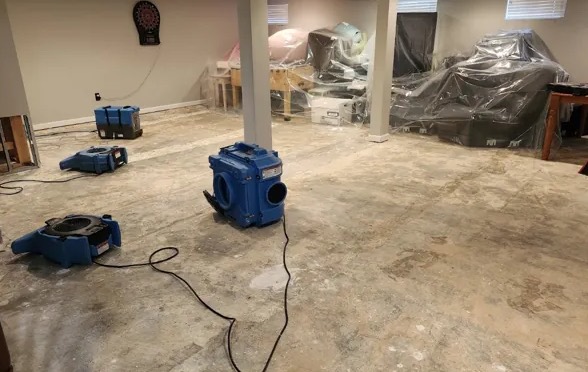
Expert Desiccant Dehumidification for Augusta Properties
Crawl spaces in Augusta are cool, damp and tight, which slows drying with standard equipment. Desiccant units push dry air in to pull moisture from the joists and subfloor.
Property owners in Augusta can call (513) 854-7491 day or night when water damage needs drying. Service also covers Higginsport, Brooksville and Georgetown, with equipment sized to the space.
Desiccant Dehumidification Options Available in Augusta
Firefighting Water Drying
Drying after a fire is done once wet debris is removed, so the structure dries cleanly before rebuilding.
Mold Prevention Drying
Drying an area quickly after affected materials are removed limits regrowth. Desiccant units help reach low humidity in closed work areas.
Water Damage Dehumidification
After a leak or flood, dehumidifiers remove moisture from the air so wet drywall, wood and carpet can dry out.
Emergency Dehumidification
Emergency dehumidification starts as soon as standing water is removed, which limits swelling, warping and odor.
Crawl Space Drying
Readings on the wood framing are taken at each visit until they return to normal levels.
Warning Signs You Need Desiccant Dehumidification in Augusta
Spongy Drywall or Soft Spots
Drywall that feels soft or spongy has absorbed water and may need removal if it does not dry.
Warped Wood Floors or Trim
Wood floors or trim that cup or warp after a leak are still taking on moisture.
Efflorescence on Masonry Surfaces
White, powdery deposits on masonry show water moving through concrete or block.
Cold, Damp Feeling in Air
Air that feels cold and damp, especially in lower levels, can be too cool for standard dehumidifiers to work well.
How Desiccant Dehumidification Works in Augusta
Step 1: Emergency Moisture Evaluation
The wet area is mapped and the right size and type of dehumidifier is chosen.
Step 2: High-Capacity Setup
Large desiccant units are placed for big spaces or cool areas where standard units struggle.
Step 3: Active Drying Cycle
Dry air is moved across wet materials, with daily readings to track progress.
Step 4: Completion and Insurance Records
Final readings and daily drying logs are compiled into a record for your insurer.
Sources of Moisture Requiring Desiccant Dehumidification in Augusta
Foundation Cracks and Seepage
Foundation cracks let groundwater seep into lower levels, keeping walls and floors damp.
Poor Ventilation in Enclosed Areas
Closed, poorly ventilated spaces trap moisture and dry very slowly after water damage.
HVAC System Condensation Issues
Clogged AC drain lines overflow into attics, closets and the ceilings below them.
New Construction Moisture Trapped
New concrete, drywall mud and framing on job sites hold moisture until they are dried.
Both Residential and Commercial Desiccant Dehumidification in Augusta
Residential Desiccant Dehumidification
Families can usually stay home during drying, though equipment makes steady noise and some areas may be closed off.
Commercial Desiccant Dehumidification
Builders and contractors use desiccant drying to get slabs and drywall ready for flooring and paint on schedule.
The Limits of DIY Desiccant Dehumidification in Augusta
Opening windows only helps on dry, breezy days. Commercial dehumidifiers keep drying no matter what the weather outside is doing, which makes them more reliable.
What Affects Desiccant Dehumidification Cost in Augusta
Flood cleanup, crawl space access, material removal and after-hours setup all add to the total for desiccant dehumidification in Augusta.
Type of Water Damage
Floodwater and sewage need cleaning and removal of materials before drying, which adds cost.
Number of Dehumidifiers
The number and size of dehumidifiers needed for the space is a major part of the cost.
Time of Response
Night, weekend and holiday setup can cost more than a scheduled weekday visit.
Does Insurance Cover Desiccant Dehumidification?
Coverage for desiccant dehumidification depends on the cause of the water and your policy. The pros document the drying, and your insurer decides what is covered.
Why Choose Local Pros for Desiccant Dehumidification in Augusta
Damage Assessment
The full affected area is checked, including rooms next to and below the source.
Desiccant Equipment
Desiccant units are used where they fit, such as cool spaces, crawl spaces and large buildings.
24/7 Emergency Response
Help is available day or night to set up drying equipment after a leak or flood.
24/7 Desiccant Dehumidification for Augusta Emergencies
Water damage that needs drying in Augusta? Call (513) 854-7491 to get dehumidifiers and air movers in place. Help is available 24/7.
Call Now (513) 854-7491Desiccant Dehumidification Near Augusta: Areas Served
Besides Augusta, local drying pros handle desiccant and standard drying in nearby Higginsport, Brooksville and Georgetown.
- Desiccant Dehumidification in Higginsport
- Desiccant Dehumidification in Brooksville
- Desiccant Dehumidification in Georgetown
- Desiccant Dehumidification in Ripley
- Desiccant Dehumidification in Moscow
- Desiccant Dehumidification in Bethel
- Desiccant Dehumidification in Aberdeen
- Desiccant Dehumidification in Maysville
- Emergency Damage Restoration in 41002
- Storm Damage Restoration in 41002
- Water Damage Restoration in 41002
- Water Extraction Service in 41002
- Water Leak Detection in 41002
- Water Removal Service in 41002
Answers to Top Desiccant Dehumidification Queries
Why use desiccant drying after a fire?
Firefighting water soaks large areas, and high-capacity drying helps remove that moisture once debris is cleared.
What are the benefits of construction drying services?
Drying slabs and drywall on schedule so flooring and finishes are not installed over damp materials.
When is desiccant dehumidification a better choice than refrigerant units?
In cool spaces, very large areas or when very low humidity is needed to dry dense materials.
What is involved in basement dehumidification after a flood?
Removing water, placing dehumidifiers and air movers and running them until concrete and framing read dry.
What happens after desiccant dehumidification is complete?
Final readings are recorded, equipment is removed and the space is ready for repairs or finishes.