Dry Run, OH · Hamilton County
Desiccant Dehumidification in Dry Run, OHConstruction Drying Services & Basement Dehumidification
Desiccant Dehumidification in Dry Run runs from emergency dehumidification and flood drying services to firefighting water drying.
Answered 24/7
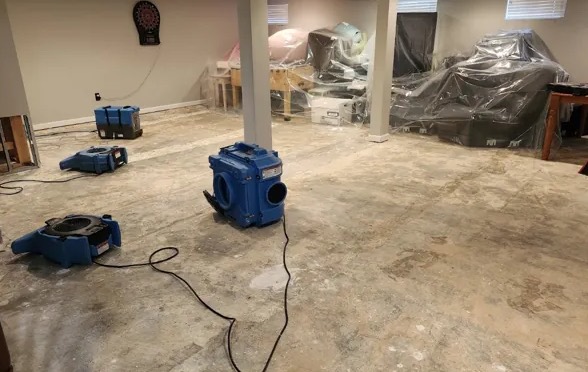
Desiccant Dehumidification: Moisture Control in Dry Run
Desiccant dehumidifiers dry air differently from the refrigerant units most people know. Instead of cooling air to condense water, they pass it over a material that absorbs moisture, which lets them keep working in cool spaces and reach very low humidity.
A flood in a large Dry Run building can need high-capacity drying. Local moisture removal pros serve Dry Run and nearby Anderson Township, Mount Carmel and Cherry Grove, with help available around the clock.
Desiccant Dehumidification Services in Dry Run
Construction Drying Services
New construction can trap moisture in concrete, drywall mud and framing. Desiccant units help dry the building before finishes go in.
Basement Dehumidification
Basement concrete and framing release water slowly. Desiccant drying keeps humidity low so they can dry in a reasonable time.
Emergency Dehumidification
Equipment is sized to the space on the first visit and adjusted each day based on readings.
Water Damage Dehumidification
Dehumidification runs alongside air movers, and readings are taken daily until every wet material is back to normal.
Mold Prevention Drying
In contained work areas, desiccant dehumidifiers keep the air dry while damaged materials are removed and framing is cleaned.
Indicators for Desiccant Dehumidification in Your Dry Run Home
Spongy Drywall or Soft Spots
Drywall that feels soft or spongy has absorbed water and may need removal if it does not dry.
Peeling Paint or Wallpaper
Paint or wallpaper that peels after a leak has moisture behind it that has not dried.
Efflorescence on Masonry Surfaces
White, powdery deposits on masonry show water moving through concrete or block.
Wet Insulation in Attics or Walls
Insulation that is wet in attics or walls holds water against framing and slows drying.
How Desiccant Dehumidification Works in Dry Run
Step 1: First Call and Setup
Help is available any hour, and drying equipment is set up as soon as standing water is removed.
Step 2: Dry Air Environment
The space is closed off so dehumidifiers can bring humidity down quickly.
Step 3: Continuous Moisture Removal
Equipment runs around the clock, pulling moisture from walls, floors and framing.
Step 4: Restoration Verification
Readings are compared to unaffected dry areas before any equipment is removed from the site.
What Leads to Humidity Damage Needing Desiccant Dehumidification in Dry Run
New Construction Moisture Trapped
New concrete, drywall mud and framing on job sites hold moisture until they are dried.
HVAC System Condensation Issues
Clogged AC drain lines overflow into attics, closets and the ceilings below them.
Groundwater Rise After Heavy Rains
Groundwater rising after long rains keeps crawl spaces and lower levels damp.
Fire Suppression System Activation
Fire sprinklers and firefighting water soak large areas of a building at once.
Residential and Commercial Desiccant Dehumidification in Dry Run
Residential Desiccant Dehumidification
Homeowners with damp basements may need desiccant drying after a flood because cool concrete and air slow standard units.
Commercial Desiccant Dehumidification
Warehouses with large slabs and stock need humidity kept low during drying to protect inventory and dry the concrete.
The Limits of DIY Desiccant Dehumidification in Dry Run
Do not run drying equipment on materials soaked by sewage or floodwater before they are cleaned or removed, since that spreads contamination through the house.
Understanding Desiccant Dehumidification Expenses in Dry Run
The cost of desiccant dehumidification in Dry Run depends on the size of the wet area, how wet the materials are and how long the equipment needs to run.
Access and Complexity
Crawl spaces, tight areas and large buildings take more effort to set up and monitor.
Time of Response
Night, weekend and holiday setup can cost more than a scheduled weekday visit.
Number of Dehumidifiers
The number and size of dehumidifiers needed for the space is a major part of the cost.
Does Insurance Cover Desiccant Dehumidification?
Photograph wet areas before drying begins and keep receipts for emergency extraction, drying equipment and any hotel stay during the work.
The Value of Local Pros for Desiccant Dehumidification in Dry Run
24/7 Emergency Response
Help is available day or night to set up drying equipment after a leak or flood.
Desiccant Equipment
Desiccant units are used where they fit, such as cool spaces, crawl spaces and large buildings.
Damage Assessment
The full affected area is checked, including rooms next to and below the source.
Urgent Desiccant Dehumidification Available in Dry Run
Water damage that needs drying in Dry Run? Call (513) 854-7491 to get dehumidifiers and air movers in place. Help is available 24/7.
Call Now (513) 854-7491Desiccant Dehumidification Service Area Including Dry Run
Help with desiccant dehumidification reaches Anderson Township, Mount Carmel and Cherry Grove, plus other communities around Dry Run, for houses, apartments and large buildings.
- Desiccant Dehumidification in Anderson Township
- Desiccant Dehumidification in Mount Carmel
- Desiccant Dehumidification in Cherry Grove
- Desiccant Dehumidification in Forestville
- Desiccant Dehumidification in Withamsville
- Desiccant Dehumidification in Indian Hill
- Desiccant Dehumidification in Kenwood
- Desiccant Dehumidification in Madeira
- Emergency Damage Restoration in 45244
- Storm Damage Restoration in 45244
- Water Damage Restoration in 45244
- Water Extraction Service in 45244
- Water Leak Detection in 45244
- Water Removal Service in 45244
Frequently Asked Questions About Desiccant Dehumidification
What does water damage dehumidification include?
Taking readings, placing dehumidifiers and air movers, logging progress daily and confirming materials are dry.
What is the goal of flood drying services?
To remove the moisture left after floodwater is pumped out so the building can be cleaned and repaired.
Can desiccant dehumidification dry behind walls?
Dry air helps, especially when directed into wall cavities through small openings, with readings to confirm results.
Why use desiccant drying after a fire?
Firefighting water soaks large areas, and high-capacity drying helps remove that moisture once debris is cleared.
What is involved in basement dehumidification after a flood?
Removing water, placing dehumidifiers and air movers and running them until concrete and framing read dry.