Finneytown, OH · Hamilton County
Desiccant Dehumidification in Finneytown, OHWater Damage Dehumidification & Firefighting Water Drying
Desiccant Dehumidification in Finneytown includes water damage dehumidification, construction drying services and mold prevention drying.
Answered 24/7
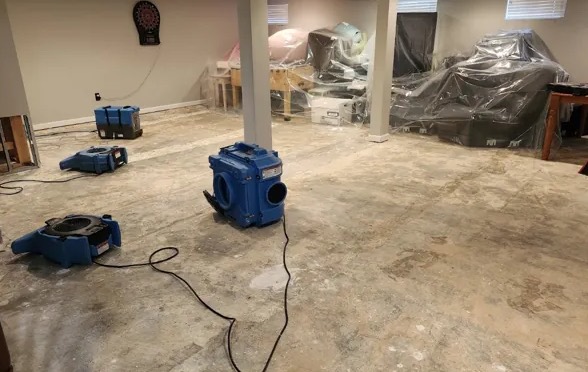
Professional Desiccant Dehumidification in Finneytown, OH
Crawl spaces in Finneytown are cool, damp and tight, which slows drying with standard equipment. Desiccant units push dry air in to pull moisture from the joists and subfloor.
In Finneytown, desiccant drying is often used in crawl spaces and large buildings after floods. Local water damage restoration pros serve Finneytown, Mount Healthy, Springfield Township and Wyoming, choosing equipment based on readings.
Specialized Desiccant Dehumidification in Finneytown, OH
Water Damage Dehumidification
Desiccant or refrigerant dehumidifiers are chosen based on the space, the temperature and how dry the air needs to get.
Firefighting Water Drying
Firefighting water can soak several rooms at once. Large drying setups remove that moisture so repairs can begin.
Basement Dehumidification
Cool basements are where desiccant units often help most, since they keep removing moisture when the air temperature is low.
Flood Drying Services
After floodwater is pumped out, desiccant dehumidifiers can bring the air to very low humidity, which pulls moisture out of walls, floors and framing faster.
Construction Drying Services
Readings on slabs and framing show when materials are dry enough for the next stage of work.
Indicators for Desiccant Dehumidification in Your Finneytown Home
Wet Insulation in Attics or Walls
Insulation that is wet in attics or walls holds water against framing and slows drying.
Visible Condensation on Windows
Windows that fog or drip inside show the air holds too much moisture for materials to dry.
Musty Smell in Stored Items
Boxes and fabrics that smell musty show the space has stayed damp too long.
High Humidity Readings on Meter
A hygrometer that keeps reading high humidity days after a leak shows the space is not drying.
How Desiccant Dehumidification Works in Finneytown
Step 1: Moisture Mapping
Readings across walls, floors and framing show exactly where moisture remains in the building.
Step 2: Equipment Placement
Dehumidifiers and air movers are placed where the moisture readings are highest.
Step 3: Continuous Moisture Extraction
Drying runs until the wettest areas match the rest of the building.
Step 4: Confirmation and Reporting
A report shows the starting and final moisture readings for each area that was dried.
Typical Moisture Intrusions and Desiccant Dehumidification in Finneytown
Poor Ventilation in Enclosed Areas
Closed, poorly ventilated spaces trap moisture and dry very slowly after water damage.
New Construction Moisture Trapped
New concrete, drywall mud and framing on job sites hold moisture until they are dried.
HVAC System Condensation Issues
Clogged AC drain lines overflow into attics, closets and the ceilings below them.
Roof Leaks From Damaged Shingles
Roof leaks from damaged shingles soak attic insulation, roof decking and the ceilings below.
Desiccant Dehumidification for Homes & Businesses in Finneytown
Residential Desiccant Dehumidification
In homes, desiccant drying is most often used in crawl spaces and cool lower levels after leaks or floods. Standard units are used in warm rooms where they work well.
Commercial Desiccant Dehumidification
In commercial buildings, high-capacity desiccant units can dry large floors and high-ceiling spaces after sprinkler leaks or floods, with drying planned around business hours.
Desiccant Dehumidification vs. DIY: When to Call the Pros
Do not run drying equipment on materials soaked by sewage or floodwater before they are cleaned or removed, since that spreads contamination through the house.
Understanding Desiccant Dehumidification Expenses in Finneytown
In Finneytown, starting drying right after a leak or flood usually shortens the job and lowers the total equipment cost.
Access and Complexity
Crawl spaces, tight areas and large buildings take more effort to set up and monitor.
Time of Response
Night, weekend and holiday setup can cost more than a scheduled weekday visit.
Additional Restoration Steps
Extraction, material removal and cleaning before drying are separate steps that add to the total.
Does Insurance Cover Desiccant Dehumidification?
Construction drying on a new build is usually a project cost rather than an insurance claim. Ask your builder how it is handled.
Selecting Local Pros for Desiccant Dehumidification in Finneytown, Ohio
Damage Assessment
The full affected area is checked, including rooms next to and below the source.
Prevention of Mold
Fast, complete drying is one of the main ways to keep mold from starting after water damage.
24/7 Emergency Response
Help is available day or night to set up drying equipment after a leak or flood.
Round-the-Clock Desiccant Dehumidification in Finneytown, OH
If the wet area has electrical hazards or sagging ceilings, stay clear and shut off power if it is safe. Then call (513) 854-7491 for help in Finneytown.
Call Now (513) 854-7491Desiccant Dehumidification Service Area Including Finneytown
Help with desiccant dehumidification reaches Mount Healthy, Springfield Township and Wyoming, plus other communities around Finneytown, for houses, apartments and large buildings.
- Desiccant Dehumidification in Mount Healthy
- Desiccant Dehumidification in Springfield Township
- Desiccant Dehumidification in Wyoming
- Desiccant Dehumidification in Groesbeck
- Desiccant Dehumidification in White Oak
- Desiccant Dehumidification in Monfort Heights
- Desiccant Dehumidification in Reading
- Desiccant Dehumidification in Northbrook
- Emergency Damage Restoration in 45224
- Storm Damage Restoration in 45224
- Water Damage Restoration in 45224
- Water Extraction Service in 45224
- Water Leak Detection in 45224
- Water Removal Service in 45224
Answers to Top Desiccant Dehumidification Queries
How do rapid drying methods protect my property?
They dry materials before they swell, warp or grow microbes, which keeps repairs smaller.
Why use desiccant drying after a fire?
Firefighting water soaks large areas, and high-capacity drying helps remove that moisture once debris is cleared.
What is desiccant dehumidification used for?
Drying spaces after water damage where standard dehumidifiers struggle, such as cool crawl spaces, large buildings and dense materials.
What happens after desiccant dehumidification is complete?
Final readings are recorded, equipment is removed and the space is ready for repairs or finishes.
How long does crawl space drying typically take?
Often several days, depending on how wet the framing is and how cool and damp the space stays.