West Chester Township, OH · Butler County
Desiccant Dehumidification in West Chester Township, OHBasement Dehumidification & Mold Prevention Drying
Desiccant Dehumidification in West Chester Township runs from emergency dehumidification and flood drying services to firefighting water drying.
Answered 24/7
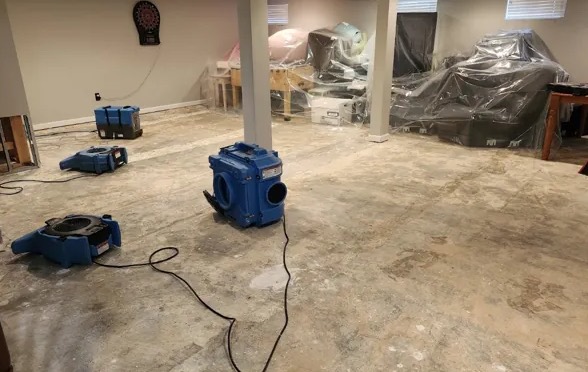
Desiccant Dehumidification Solutions in West Chester Township, Ohio
After water damage in West Chester Township, dry air pulls moisture out of wet materials. The drier the air, the faster walls, floors and framing give up their water.
A flood in a large West Chester Township building can need high-capacity drying. Local water damage restoration pros serve West Chester Township and nearby Sharonville, Springdale and Mason, with help available around the clock.
Desiccant Dehumidification Services in West Chester Township
Basement Dehumidification
Once readings show the basement is dry, equipment is removed and the space is ready for repairs.
Mold Prevention Drying
Drying continues until readings on the remaining framing are normal, before walls are closed up again.
Construction Drying Services
New construction can trap moisture in concrete, drywall mud and framing. Desiccant units help dry the building before finishes go in.
Crawl Space Drying
Crawl spaces are cool and damp, which suits desiccant units. Dry air is pushed in to pull moisture from the joists and subfloor.
Flood Drying Services
After floodwater is pumped out, desiccant dehumidifiers can bring the air to very low humidity, which pulls moisture out of walls, floors and framing faster.
Red Flags for Desiccant Dehumidification in West Chester Township Properties
Efflorescence on Masonry Surfaces
White, powdery deposits on masonry show water moving through concrete or block.
Recent Water Damage Event
Any recent leak or flood that soaked drywall, flooring or framing needs drying beyond a household unit.
Peeling Paint or Wallpaper
Paint or wallpaper that peels after a leak has moisture behind it that has not dried.
Warped Wood Floors or Trim
Wood floors or trim that cup or warp after a leak are still taking on moisture.
How Desiccant Dehumidification Works in West Chester Township
Step 1: Emergency Moisture Evaluation
The wet area is mapped and the right size and type of dehumidifier is chosen.
Step 2: High-Capacity Setup
Large desiccant units are placed for big spaces or cool areas where standard units struggle.
Step 3: Active Drying Cycle
Dry air is moved across wet materials, with daily readings to track progress.
Step 4: Completion and Insurance Records
Final readings and daily drying logs are compiled into a record for your insurer.
Origins of Dampness and Desiccant Dehumidification in West Chester Township Buildings
Roof Leaks From Damaged Shingles
Roof leaks from damaged shingles soak attic insulation, roof decking and the ceilings below.
HVAC System Condensation Issues
Clogged AC drain lines overflow into attics, closets and the ceilings below them.
Groundwater Rise After Heavy Rains
Groundwater rising after long rains keeps crawl spaces and lower levels damp.
Severe Weather and Storm Flooding
Storms and flooding soak lower levels and leave large volumes of wet material.
Both Residential and Commercial Desiccant Dehumidification in West Chester Township
Residential Desiccant Dehumidification
In homes, desiccant drying is most often used in crawl spaces and cool lower levels after leaks or floods. Standard units are used in warm rooms where they work well.
Commercial Desiccant Dehumidification
In commercial buildings, high-capacity desiccant units can dry large floors and high-ceiling spaces after sprinkler leaks or floods, with drying planned around business hours.
Desiccant Dehumidification vs. DIY: When to Call the Pros
For a small spill in a warm room, a household dehumidifier and fan may be enough. Call local water damage restoration pros if drywall, flooring or framing got wet or the space is cool and damp.
Understanding Desiccant Dehumidification Expenses in West Chester Township
The cost of desiccant dehumidification in West Chester Township depends on the size of the wet area, how wet the materials are and how long the equipment needs to run.
Type of Water Damage
Floodwater and sewage need cleaning and removal of materials before drying, which adds cost.
Moisture Saturation Level
Materials that are fully soaked take longer to dry than lightly damp ones.
Duration of Equipment Use
Drying usually takes several days, and each day of equipment use adds to the total.
Does Insurance Cover Desiccant Dehumidification?
Construction drying on a new build is usually a project cost rather than an insurance claim. Ask your builder how it is handled.
Selecting Local Pros for Desiccant Dehumidification in West Chester Township, Ohio
Prevention of Mold
Fast, complete drying is one of the main ways to keep mold from starting after water damage.
Large Projects
Large buildings and job sites get drying plans that keep work and business moving.
Post-Flood Drying
Floodwater cleanup is followed by drying that continues until readings are normal.
24/7 Desiccant Dehumidification for West Chester Township Emergencies
Crawl space or lower level wet after a storm? Call (513) 854-7491 now for desiccant dehumidification in West Chester Township before the framing stays damp.
Call Now (513) 854-7491Desiccant Dehumidification Near West Chester Township: Areas Served
Besides West Chester Township, the pros handle desiccant and standard drying in nearby Sharonville, Springdale and Mason.
- Desiccant Dehumidification in Sharonville
- Desiccant Dehumidification in Springdale
- Desiccant Dehumidification in Mason
- Desiccant Dehumidification in Forest Park
- Desiccant Dehumidification in Blue Ash
- Desiccant Dehumidification in Montgomery
- Desiccant Dehumidification in Monroe
- Desiccant Dehumidification in Reading
- Emergency Damage Restoration in 45069
- Storm Damage Restoration in 45069
- Water Damage Restoration in 45069
- Water Extraction Service in 45069
- Water Leak Detection in 45069
- Water Removal Service in 45069
- Emergency Damage Restoration in 45071
- Storm Damage Restoration in 45071
Desiccant Dehumidification FAQs
Can desiccant dehumidification dry behind walls?
Dry air helps, especially when directed into wall cavities through small openings, with readings to confirm results.
What is involved in basement dehumidification after a flood?
Removing water, placing dehumidifiers and air movers and running them until concrete and framing read dry.
Why use desiccant drying after a fire?
Firefighting water soaks large areas, and high-capacity drying helps remove that moisture once debris is cleared.
What are the benefits of construction drying services?
Drying slabs and drywall on schedule so flooring and finishes are not installed over damp materials.
What does water damage dehumidification include?
Taking readings, placing dehumidifiers and air movers, logging progress daily and confirming materials are dry.