Reading, OH · Hamilton County
Emergency Water Extraction in Reading, OHSewage Backup Cleanup & Standing Water Removal
Emergency Water Extraction in Reading runs from standing water removal and emergency flood water extraction to wet drywall water removal.
Answered 24/7
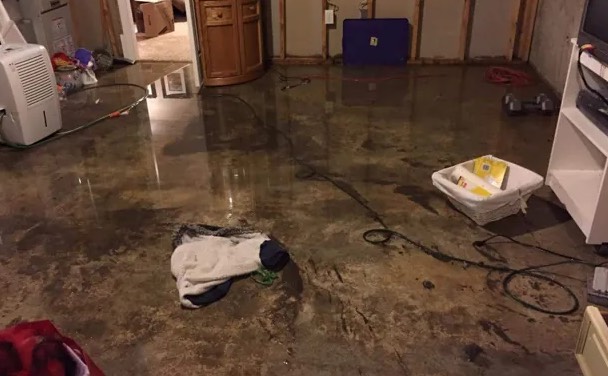
Emergency Water Extraction for Reading Homes and Businesses
Carpet is often the first thing soaked in a Reading water emergency. Fast extraction with weighted tools pulls water from carpet and pad and gives the carpet a good chance of being saved.
In Reading, Wyoming, Deer Park and Sharonville, storms can send water into many homes at once. Emergency Water Extraction prioritizes standing water and spreading leaks so damage stops growing.
Complete Emergency Water Extraction Solutions for Reading
Sewage Backup Cleanup
Sewage cleanup is never just drying. Contaminated materials must come out first so the area is safe again.
Standing Water Removal
Standing water on any floor is pumped or extracted as soon as the source is stopped and power is made safe.
Carpet Water Extraction Services
Weighted extraction tools press water out of carpet and pad in slow passes, removing far more water than a surface wand.
Emergency Water Damage Cleanup
Wet rugs, boxes and debris are cleared, and surfaces touched by dirty water are cleaned before drying starts.
Wet Drywall Water Removal
Wet insulation behind drywall is removed along with the soaked section, so the cavity can dry fully.
When to Call for Emergency Water Extraction in Reading
Soggy or Wet Carpeting
Carpet that squishes or feels cold and wet underfoot is holding water in the pad below.
High Indoor Humidity Levels
A room that feels humid and clammy after a leak still has wet materials releasing moisture.
Dripping Sounds or Leaks
Dripping or running water sounds when nothing is on mean a leak is still active somewhere.
Wet Insulation in Attics
Insulation in the attic that is wet or matted points to a roof leak or attic plumbing failure.
How Emergency Water Extraction Works in Reading
Step 1: Call for 24/7 Water Extraction
You call any hour, and advice is given on shutting off water and power before work starts.
Step 2: On-Scene Analysis and Plan
The source, the type of water and the wet area are checked, and the extraction plan is set.
Step 3: Primary Flood Water Extraction
Pumps and extractors remove standing water, starting with the deepest and most damaging areas.
Step 4: Detailed Documentation Phase
Photos and moisture readings record the damage, and drying equipment is placed for the next phase.
What Causes Major Water Intrusion in Reading
Severe Weather and Flooding
Heavy storms and flooding push water into homes and businesses through doors, walls and roofs.
Sewage System Backup
A blocked sewer line pushes wastewater up through floor drains, tubs and toilets.
Foundation Cracks and Seepage
Foundation cracks let groundwater seep into lower levels during long wet spells.
Human Error or Accidental Spills
Tubs and sinks left running, and other everyday accidents, can flood rooms and the floor below.
Whole-Property Emergency Water Extraction in Reading, OH
Residential Emergency Water Extraction
Families often want to save carpet and flooring. Fast extraction of clean water makes that possible in many cases.
Commercial Emergency Water Extraction
Property managers with several units get separate extraction and drying records, with photos, for each affected unit or suite.
Professional Emergency Water Extraction Over DIY in Reading
Take photos of the water and damage before cleanup, and keep damaged items until your adjuster sees them. Then call local water removal experts to get extraction started.
Cost Considerations for Emergency Water Extraction in Reading
The pros check the source and the wet area before pricing emergency water extraction in Reading, then explain what will be extracted, removed and dried.
Contents and Materials
Furniture, belongings and stock that must be moved or protected add labor to the job.
Depth of Standing Water
Deep standing water needs pumping before extraction, which adds time and equipment.
Required Drying Time
Drying usually takes several days, and each extra day of equipment adds to the total.
Does Insurance Cover Emergency Water Extraction?
Coverage for emergency water extraction depends on the cause and your policy. The pros document the damage and drying, and your insurer decides what is covered.
Why Choose Local Pros for Emergency Water Extraction in Reading
Industry Drying Standards
Extraction and drying follow industry water damage standards, with readings at every visit.
Sewage Safety
Sewage is extracted with protective gear, and contaminated areas are cleaned and disinfected.
Extraction Equipment
Pumps and truck-mounted or portable extractors remove water much faster than shop vacs.
24/7 Emergency Water Extraction Availability in Reading
Every hour water sits, more carpet, drywall and flooring are lost. Call (513) 854-7491 for emergency water extraction in Reading at any hour, including holidays.
Call Now (513) 854-7491Emergency Water Extraction Near Reading: Areas Served
Emergency water extraction also covers homes and businesses in Wyoming, Deer Park and Sharonville, close to Reading, day or night.
- Emergency Water Extraction in Wyoming
- Emergency Water Extraction in Deer Park
- Emergency Water Extraction in Sharonville
- Emergency Water Extraction in Blue Ash
- Emergency Water Extraction in Kenwood
- Emergency Water Extraction in Springdale
- Emergency Water Extraction in Forest Park
- Emergency Water Extraction in Finneytown
Your Emergency Water Extraction Questions for Reading, OH
What follows the initial emergency water extraction?
Structural drying with air movers and dehumidifiers, daily readings and repairs once the building is dry.
How do water removal experts document damage for insurance?
With photos of the water and damage, moisture readings, a list of removed materials and daily drying logs.
What happens after the water is extracted?
Moisture readings show what is still wet, materials that cannot be saved are removed and drying equipment runs for several days.
What tools are used for emergency water extraction?
Submersible pumps, truck-mounted and portable extractors, weighted carpet tools, air movers, dehumidifiers and moisture meters.
What is moisture inspection and why is it needed?
Checking walls, floors and ceilings with meters and thermal cameras to find water that is not visible after extraction.