Cincinnati, OH · Hamilton County
Fire Odor Removal in Cincinnati, OHFire Damaged Material Removal & Ozone Treatment For Smoke Odor
Fire Odor Removal in Cincinnati pairs whole-house air scrubbing, HVAC duct smoke cleaning, and fire damaged material removal.
Answered 24/7
Fire Odor Removal Experts Serving Cincinnati
In properties throughout Cincinnati, drywall, insulation, and upholstery absorb smoke deeply, so wiping surfaces rarely removes the smell. Treatment has to reach the air and the materials.
Homes in Cincinnati and nearby areas like Covington, Newport and Fort Mitchell share building styles that affect how smoke spreads through attics and walls. Local smoke odor elimination experts fog and ozone-treat the materials found in these homes.
Advanced Fire Odor Removal Techniques
Fire Damaged Material Removal
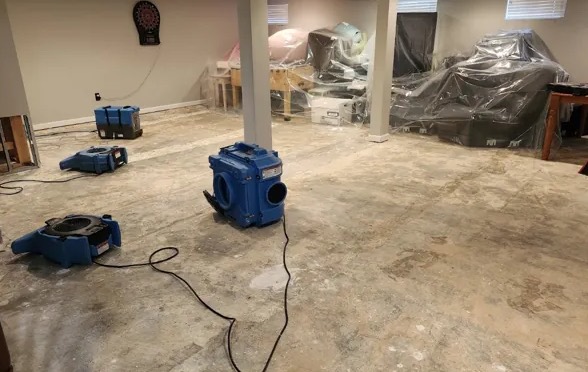
In Cincinnati, damaged flooring and framing are taken out before deodorizing, so treatment is not wasted on materials that will be replaced.
Ozone Treatment for Smoke Odor
Ozone generators oxidize odor compounds in the air and on surfaces, which helps with strong chemical smells from burned plastics.
Thermal Fogging Deodorization
A heated deodorant is released as a fine fog that reaches into wall cavities and ceilings, where it breaks down odor molecules.
Electrostatic Soot Removal
Electrostatic cleaning lifts fine, dry soot without smearing it, which protects painted walls and woodwork.
Whole-House Air Scrubbing
HEPA and carbon filters in industrial air scrubbers capture fine soot and odor particles from every room before they settle on curtains and upholstery.
Signs a Cincinnati Property Needs Fire Smoke Odor Elimination
Soot in Electrical Outlets
Fine soot inside outlets and behind switch plates shows smoke reached into wall cavities, not just room surfaces.
Smell Emanates From HVAC Vents
A smoky smell coming from vents means the HVAC system is carrying odor from the ducts into every room.
Metallic or Chemical Odor Present
A sharp chemical or metallic smell usually comes from burned plastics or synthetics and needs stronger deodorizing than cleaning alone.
Odor Returns After Opening Windows
When airing out the house does not clear the smell, smoke odor has worked its way into walls, floors, or furniture.
How Fire Odor Removal Works in Cincinnati
Step 1: Source Removal and Cleaning
Burned materials are removed first, and electrostatic cleaning lifts soot from the walls and ceilings that remain.
Step 2: HVAC Duct Smoke Cleaning
The ductwork and air handler are cleaned so the HVAC system stops moving smoky air through the building.
Step 3: Ozone Treatment for Smoke Odor
Ozone generators run in the closed, empty building to break down the odor compounds that remain.
Step 4: Final Air Quality Verification
Pros check the building for any remaining smoke odor before it is reoccupied and the job is closed out.
What Makes Fire Odor So Difficult to Remove
Absorption Into Soft Furnishings
Couches, carpets, and drapes trap smoke odor and release it slowly for weeks after the fire.
Inadequate Ventilation During Fire
With windows and doors closed during a fire, smoke stays concentrated indoors and soaks deeper into materials.
Secondary Water Damage
Water used to fight the fire can spread soot into new areas and carry odor into floors and wall cavities.
Thermal Movement of Odor Particles
Heat from a fire pushes smoke and odor into small cracks and gaps throughout the structure.
Fire Odor Removal for All Property Types
Residential Fire Odor Removal
In homes, smoke odor in the HVAC system reaches every room. Pros clean the ducts, use electrostatic soot removal, and treat with ozone while the family is out.
Commercial Fire Odor Removal
Commercial buildings have large air volumes to treat. Pros use industrial equipment for air scrubbing, removal of burned material, and sealing across whole floors.
Fire Odor Removal vs. DIY Odor Removal Methods
Replace the furnace filter and wipe the vent covers. Baking soda on carpets before vacuuming can pull out some surface odor, but odor inside the ducts needs professional cleaning.
Cost Factors for Fire Odor Removal in Cincinnati
Price grows with the square footage treated and how severe the fire was. A small kitchen fire costs far less than smoke through a whole building.
Content Cleaning Scope
The number and type of belongings to clean, and whether they go off-site, affect time and cost.
Severity of Smoke Penetration
Heavy smoke residue needs more cleaning passes and repeat treatments than light surface soot does.
HVAC System Contamination
Cleaning ducts and HVAC parts adds equipment time and access work to the job.
Does Insurance Cover Fire Odor Removal?
Coverage depends on your policy language and the cause of the fire. The professionals document the damage with photos and notes for your claim file.
Benefits of Hiring Local Professionals in Cincinnati
Comprehensive Odor Attack Plan
Air scrubbing, fogging, and sealing together treat both airborne odor and odor held inside materials.
Content Salvage Focus
Belongings are cleaned and deodorized so items that might otherwise be thrown out can often be kept.
Residual Odor Prevention
Sealing porous surfaces locks in trace odor that cleaning misses, so it does not return after repairs.
24/7 Fire Odor Removal Assistance
Smoke odor spreads into belongings and building materials fast after a fire. Call (513) 854-7491 at any hour for emergency smoke damage cleanup help.
Call Now (513) 854-7491Nearby Areas for Fire Odor Removal in Cincinnati
Smoke damage cleanup and deodorizing help residents in Cincinnati and neighboring areas, including Covington, Newport and Fort Mitchell, after a fire.
Frequently Asked Questions About Fire Odor Removal
What's the difference between cleaning and deodorizing?
Cleaning removes visible soot residue, while deodorizing breaks down the odor molecules left behind. Most fire jobs need both steps.
How long does fire odor remediation usually take?
It depends on severity, from a few days for a small kitchen fire to several weeks for smoke through a whole building.
Can fire smells come back after treatment?
They can if treatment is incomplete. Cleaning the ducts and sealing porous surfaces keeps odor from coming back after the work.
How effective is electrostatic soot removal?
Charged cleaning solutions attract fine soot and lift it off surfaces, which prepares them for deodorizing and paint.
How does thermal fogging deodorization work?
A heated deodorant is turned into a fine fog that travels into porous materials and breaks down odor molecules where cleaning cannot reach.