Dry Run, OH · Hamilton County
High-Velocity Air Mover Drying in Dry Run, OHWall Cavity Drying & Hardwood Floor Drying
High-Velocity Air Mover Drying in Dry Run includes residential flood drying services, carpet drying with air movers and wall cavity drying.
Answered 24/7
High-Velocity Air Mover Drying Solutions in Dry Run, Ohio
Help with high-velocity air mover drying is a critical step after any water intrusion in Dry Run, as lingering moisture can quickly compromise building materials and indoor air quality.
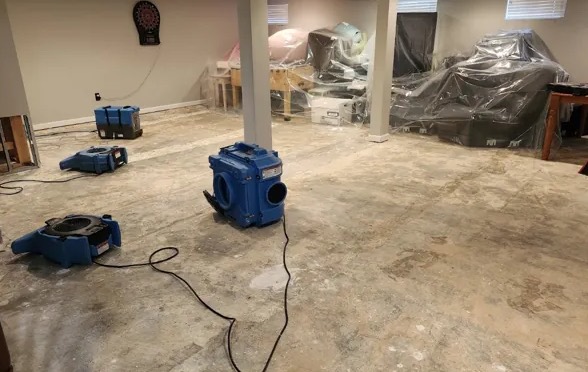
In Dry Run and nearby locales like Anderson Township, Mount Carmel and Cherry Grove, high-velocity air mover drying is a targeted way to reach specific drying goals. After extraction, air movers are set to create cross-flow over wet floors and walls. Dehumidifiers then pull the evaporated water out of the air.
High-Velocity Air Mover Drying and Related Services in Dry Run
Wall Cavity Drying
Water trapped in a wall needs airflow inside the cavity, which is standard practice when drying water-damaged walls.
Hardwood Floor Drying
Hardwood reacts badly to water left in it. Air movers set at a gentle angle dry the surface steadily to limit cupping and warping.
Carpet Drying With Air Movers
Drying the top of the carpet is not enough. Air moving under the carpet dries the backing and pad so they do not smell or come apart later.
Basement Water Drying
Basements stay damp after flooding. Air movers dry the concrete floor and foundation walls in Dry Run homes.
Post-Extraction Structural Drying
Drying the structure means getting water out of studs, subfloors and framing after extraction is done.
When to Call for High-Velocity Air Mover Drying in Dry Run
Wet Spots on Walls or Ceilings
Damp patches or discoloration on drywall mean water is inside the wall cavity.
Peeling Paint or Wallpaper
Bubbling or peeling paint or wallpaper means moisture is trapped behind the surface, inside the wall cavity.
Cold, Damp Feeling in Basement
A basement that always feels cold and damp may still be holding water in the floor and walls.
Visible Warping or Buckling Floors
Warped or buckled wood floors or baseboards mean moisture is trapped in the wood or the subfloor beneath.
How High-Velocity Air Mover Drying Works in Dry Run
Step 1: Water Extraction and Source Removal
Any standing water left is removed first, since air movers work only after extraction.
Step 2: Deployment of High-Velocity Air Movers
Air movers push fast-moving air across wet materials so the water evaporates sooner.
Step 3: Continuous Moisture Monitoring
Moisture in materials and the air is checked often, and the equipment is moved as areas dry.
Step 4: Final Dry Standard Confirmation
The job ends when all readings confirm the walls, floors and framing are dry.
Reasons for High-Velocity Air Mover Drying Calls in Dry Run
HVAC System Condensation Issues
Faulty condensate drains or poorly insulated ducts can drip moisture into wall cavities and ceilings.
Plumbing Leaks and Pipe Bursts
A sudden pipe failure or slow leak from supply lines, drains, or appliances can flood areas quickly.
Natural Flooding From Heavy Rain
Heavy rain or flash flooding can overwhelm drainage and push water into buildings.
Sewer Backups and Drain Clogs
A clogged main line or municipal sewer backup forces contaminated water into properties.
High-Velocity Air Mover Drying for Homes and Businesses in Dry Run
Residential High-Velocity Air Mover Drying
Carpet and hardwood floors are the most common things to dry in homes. Local drying specialists aim air movers at fibers and planks to pull water out before boards warp or shrink.
Commercial High-Velocity Air Mover Drying
Restaurants, schools and hospitals need sanitary, rapid drying. Readings are taken until every area is back to normal so the space can reopen.
The Limits of DIY for High-Velocity Air Mover Drying Needs
You may remove wet, non-structural debris like cardboard boxes or soaked insulation bags from the area. Wear gloves and a mask while you do it. Drying the structure itself, such as hardwood floors or wall cavities, takes professional structural drying systems.
Factors in High-Velocity Air Mover Drying Pricing for Dry Run
The cost depends on how many air movers and dehumidifiers are needed and how many days they run. Water deep in wall cavities or under flooring adds to the total.
Affected Square Footage
The total wet area sets how many air movers are needed, which is a main cost driver.
Ancillary Dehumidification Need
Dehumidifiers are usually needed alongside air movers, adding equipment to the setup.
Material Permeability
Dense materials like concrete or hardwood dry slowly and need more equipment time.
Does Insurance Cover High-Velocity Air Mover Drying?
Insurance may cover air mover drying service if the water damage is sudden and accidental, like from a burst pipe. Water removal experts provide detailed documentation of moisture levels and drying progress for the insurer.
Benefits of Local Pros for High-Velocity Air Mover Drying
Industrial-Grade Equipment
Commercial air movers and dehumidifiers move far more air and water than consumer units.
24/7 Emergency Response
Starting drying early after a flood limits damage to framing, drywall and floors.
Advanced Moisture Detection
Moisture meters find water in wall cavities and subfloors that DIY drying often misses.
24/7 High-Velocity Air Mover Drying Available in Dry Run
After water damage, drying needs to start soon. Call (513) 854-7491 at any hour and the pros can start drying your property in Dry Run.
Call Now (513) 854-7491High-Velocity Air Mover Drying Coverage Around Dry Run, OH
Help with high-velocity air mover drying is available in Dry Run and nearby Anderson Township, Mount Carmel and Cherry Grove after leaks and floods.
- High-Velocity Air Mover Drying in Anderson Township
- High-Velocity Air Mover Drying in Mount Carmel
- High-Velocity Air Mover Drying in Cherry Grove
- High-Velocity Air Mover Drying in Forestville
- High-Velocity Air Mover Drying in Withamsville
- High-Velocity Air Mover Drying in Indian Hill
- High-Velocity Air Mover Drying in Kenwood
- High-Velocity Air Mover Drying in Madeira
- Emergency Damage Restoration in 45244
- Storm Damage Restoration in 45244
- Water Damage Restoration in 45244
- Water Extraction Service in 45244
- Water Leak Detection in 45244
- Water Removal Service in 45244
Frequently Asked Questions About High-Velocity Air Mover Drying
How fast does high velocity drying work?
It depends on the material and humidity, but air movers often cut days off the drying time compared to doing nothing.
Why is rapid drying equipment necessary after a flood?
Fast drying stops the damage from spreading and prevents mold, which can start within a day or two.
What is post-extraction structural drying?
This phase begins after standing water is removed; air movers and dehumidifiers are deployed to dry the remaining moisture in materials.
How does air mover drying differ from fans?
Commercial air movers push a focused stream of air much stronger than a box fan, made for drying building materials.
Can I rent industrial air movers myself?
You can rent fans, but proper drying needs the right placement, moisture checks and dehumidifiers to finish the job.