Independence, KY · Kenton County
High-Velocity Air Mover Drying in Independence, KYWall Cavity Drying & Commercial Building Air Mover Drying
High-Velocity Air Mover Drying in Independence includes residential flood drying services, carpet drying with air movers and wall cavity drying.
Answered 24/7
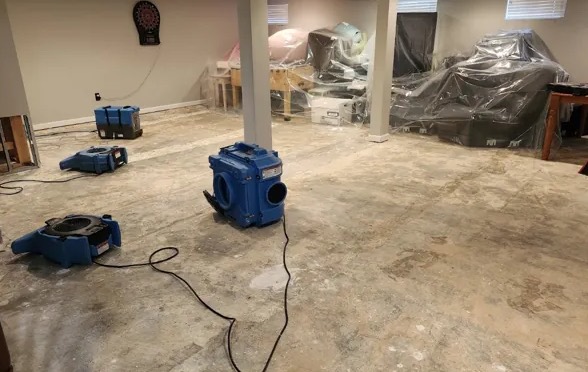
High-Velocity Air Mover Drying for Independence Homes and Businesses
In Independence, drying stops water damage inside the structure itself. Without proper drying, water hidden in wall cavities or under hardwood leads to large repairs later.
In Independence and nearby locales like Taylor Mill, Edgewood and Elsmere, high-velocity air mover drying is a targeted way to reach specific drying goals. After extraction, air movers are set to create cross-flow over wet floors and walls. Dehumidifiers then pull the evaporated water out of the air.
High-Velocity Air Mover Drying Methods Used in Independence
Wall Cavity Drying
Water inside wall cavities is hard to see. Air movers can push air into the cavity through small holes so it dries from the inside.
Commercial Building Air Mover Drying
For commercial spaces in Independence, air movers and dehumidifiers work together to pull moisture out of floors and lower walls after a leak.
Basement Water Drying
A wet basement has still, humid air. Air movers keep it moving, and dehumidifiers pull the water out of the air and surfaces.
Residential Flood Drying Services
In homes, air movers set up directed airflow that draws water out of drywall, wood and carpet pad.
Equipment Assisted Drying
Air movers are one part of a drying system. Dehumidifiers and moisture readings make sure the materials actually reach their drying goals.
Indicators for High-Velocity Air Mover Drying in Independence, KY
Efflorescence on Concrete Surfaces
White, powdery deposits on basement walls or floors are minerals left by evaporating water, a sign of ongoing moisture.
Carpet Feels Soggy or Damp
Carpet that stays wet or soggy for more than a day is holding water in the pad that needs forced airflow to dry.
Swollen Wooden Doors or Cabinets
Doors or cabinets that stick or swell are often reacting to moisture in the room.
Wet Spots on Walls or Ceilings
Damp patches or discoloration on drywall mean water is inside the wall cavity.
How High-Velocity Air Mover Drying Works in Independence
Step 1: Comprehensive Moisture Detection
Sensors find hidden water in floors, walls and ceilings to guide the drying plan.
Step 2: Airflow Pattern Configuration
Air movers are angled to create airflow patterns that dry each wet surface.
Step 3: Balanced Drying System Operation
Dehumidification is balanced with the airflow so materials dry without being over-dried.
Step 4: Achievement of Dry Equilibrium
Drying is done when wet materials read the same as dry ones nearby.
What Leads to Needing High-Velocity Air Mover Drying in Independence
HVAC System Condensation Issues
Faulty condensate drains or poorly insulated ducts can drip moisture into wall cavities and ceilings.
Human Error and Accidental Spills
Overflowing bathtubs, sink mishaps, or other indoor accidents introduce water that can soak into materials.
Fire Suppression System Activation
Sprinkler system discharge, while saving a property from fire, leaves behind significant water.
Appliance Malfunctions and Overflows
Water heaters, washing machines and dishwashers that leak or overflow are common sources of wet floors and walls.
Residential and Commercial High-Velocity Air Mover Drying in Independence
Residential High-Velocity Air Mover Drying
Carpet and hardwood floors are the most common things to dry in homes. Local drying specialists aim air movers at fibers and planks to pull water out before boards warp or shrink.
Commercial High-Velocity Air Mover Drying
Restaurants, schools and hospitals need sanitary, rapid drying. Readings are taken until every area is back to normal so the space can reopen.
When to Choose Local Pros for High-Velocity Air Mover Drying
You may remove wet, non-structural debris like cardboard boxes or soaked insulation bags from the area. Wear gloves and a mask while you do it. Drying the structure itself, such as hardwood floors or wall cavities, takes professional structural drying systems.
Factors in High-Velocity Air Mover Drying Pricing for Independence
Drying a home usually costs less than a commercial building because of scale and the amount of equipment needed.
Material Permeability
Dense materials like concrete or hardwood dry slowly and need more equipment time.
Pre-Drying Water Extraction
Standing water has to be extracted before air movers can work, which adds a first step.
Post-Drying Verification
Final moisture checks to confirm everything is dry are part of the cost.
Does Insurance Cover High-Velocity Air Mover Drying?
For homes and commercial buildings alike, coverage for drying depends on the peril covered under your policy. Final approval comes from your insurance company after they review the documented drying process.
The Value of Local Pros for High-Velocity Air Mover Drying
Prevention of Secondary Damage
Fast, full drying stops mold, warped wood and crumbling drywall before they start.
IICRC-Standard Drying Methods
Drying to set targets, confirmed with meters, keeps moisture from causing swelling or decay later.
Focused Airflow Management
Air movers are placed so air flows across every wet surface, not just the middle of the room.
24/7 Emergency High-Velocity Air Mover Drying in Independence
If you find standing water, drying matters. Call (513) 854-7491 for 24/7 help and a check of what needs drying in Independence.
Call Now (513) 854-7491High-Velocity Air Mover Drying for Independence and Surrounding Communities
Air mover drying after a leak or flood is available in Independence and nearby Taylor Mill, Edgewood and Elsmere.
- High-Velocity Air Mover Drying in Taylor Mill
- High-Velocity Air Mover Drying in Edgewood
- High-Velocity Air Mover Drying in Elsmere
- High-Velocity Air Mover Drying in Walton
- High-Velocity Air Mover Drying in Florence
- High-Velocity Air Mover Drying in Covington
- High-Velocity Air Mover Drying in Erlanger
- High-Velocity Air Mover Drying in Alexandria
- Emergency Damage Restoration in 41051
- Storm Damage Restoration in 41051
- Water Damage Restoration in 41051
- Water Extraction Service in 41051
- Water Leak Detection in 41051
- Water Removal Service in 41051
High-Velocity Air Mover Drying FAQs for Independence Property Owners
How are air movers used in different rooms?
Units are placed to move air across all wet surfaces, often several of them working together through doorways.
Do air movers remove moisture from the air?
No. Air movers lift water off surfaces into the air, and dehumidifiers remove it from the air. Both are needed.
What areas need drying after a pipe leak?
Water often wicks into wall cavities, under trim and into subfloors, and all of those need to be checked and dried.
How fast does high velocity drying work?
It depends on the material and humidity, but air movers often cut days off the drying time compared to doing nothing.
What indicates that drying is complete?
Moisture meters test the materials and compare them with dry areas nearby, which shows when drying is done.