Williamstown, KY · Grant County
Hydrostatic Pressure Water Removal in Williamstown, KYCrawl Space Water Extraction & Slab Seepage Water Removal
Hydrostatic Pressure Water Removal in Williamstown covers groundwater intrusion mitigation, wet subfloor removal and crawl space water extraction.
Answered 24/7
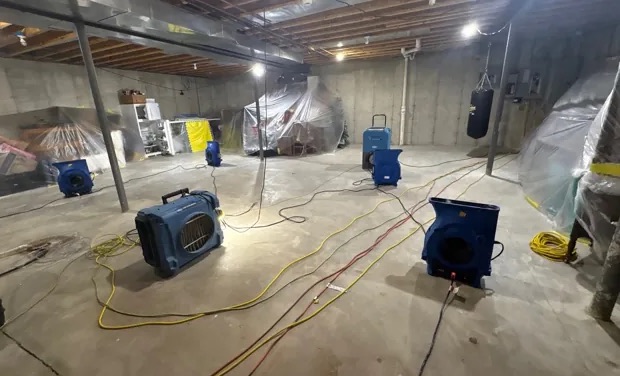
Professional Hydrostatic Pressure Water Removal in Williamstown, KY
When the soil around a home in Williamstown is soaked, the water presses against the foundation and finds its way into basements and crawl spaces. The damage often starts out of sight.
In Williamstown and nearby Dry Ridge, Falmouth and Walton, soaked soil can push water into basements and crawl spaces. Local structural drying professionals extract the water and dry the structure.
The Hydrostatic Pressure Water Removal Process in Williamstown
Crawl Space Water Extraction
Water accumulation in crawl spaces due to hydrostatic pressure can compromise air quality and structural integrity.
Slab Seepage Water Removal
When water seeps up through a slab in Williamstown, flooring may need to be lifted so the concrete can dry. Pros explain what a foundation specialist should look at.
Structural Drying After Intrusion
After water is pushed inside, air movers and dehumidifiers dry the wood, concrete and drywall it reached so rot and mold do not start.
Wet Subfloor Removal
Water damage pros assess the damage, remove the compromised materials, and ensure the underlying joists are dry and sound before reconstruction.
Slab Leak Water Removal
When water comes up through a slab, it is extracted before it wicks into the walls, and the slab surface and nearby materials are dried.
Symptoms That Require Hydrostatic Pressure Water Removal
Efflorescence on Concrete Surfaces
White, chalky deposits on foundation walls or the slab show water has been pushing through the concrete.
Sump Pump Running Constantly
A sump pump that runs nonstop means a lot of groundwater is coming in around the foundation.
Spongy or Soft Spots on Floors
Damp spots or lifting flooring on a slab can mean water is coming up from below.
Water Seeping From Foundation Walls
Water seeping at the base of foundation walls means groundwater is being pushed in by pressure from the soil.
How Hydrostatic Pressure Water Removal Works in Williamstown
Step 1: Emergency Water Extraction
The professionals use truck-mounted pumps to remove standing water from basements and crawl spaces.
Step 2: Foundation Leak Assessment
An inspection finds where groundwater is getting in and maps how far the water spread.
Step 3: Structural Drying Deployment
Industrial air movers and dehumidifiers are positioned strategically to dry wall cavities, subfloors, and structural members until readings return to normal.
Step 4: Final Moisture Verification
Professionals use moisture meters and sensors to confirm all materials are dry.
Common Causes of Water Damage in Williamstown
Soil Expansion and Contraction
Clay soil swells when wet, adding pressure on foundation walls and opening paths for water.
Sump Pump Malfunction or Failure
A sump pump that fails cannot remove groundwater, so it builds up and floods the lower level.
Poor Exterior Drainage Systems
Clogged gutters, downspouts and poor grading send water toward the foundation, where it builds pressure in the soil.
Foundation Settlement and Cracks
As a foundation settles, cracks form and give groundwater a direct path inside.
Hydrostatic Pressure Water Removal for Foundation Protection
Residential Hydrostatic Pressure Water Removal
In homes, water through the foundation can reach framing and wiring in the lower level. The professionals remove the water and dry the structure, and a foundation contractor handles any cracks.
Commercial Hydrostatic Pressure Water Removal
Warehouses and plants on slab floors can take on water from below. Industrial equipment removes it and dries the large floor area so work can resume.
Hydrostatic Pressure Water Removal vs. DIY: When to Call the Pros
Clearing gutters and extending downspouts away from the foundation are good steps to reduce water at the walls. If water is already coming in, call (513) 854-7491 for extraction and drying.
Factors Affecting Hydrostatic Pressure Water Removal Pricing in Williamstown
In Grant County, the cost of foundation water removal depends on the source, such as seepage through a slab or a large crack letting water in.
Affected Area Size
Larger flooded areas or large wet subfloors need more equipment and more days of drying.
Structural Complexity
Tight crawl spaces and complex foundations make water removal and drying slower.
Intrusion Severity
How deep the water is and how much keeps coming in decide how long extraction takes.
Does Insurance Cover Hydrostatic Pressure Water Removal?
Coverage for hydrostatic pressure water removal depends on your policy and what caused the water. The professionals in Williamstown take photos and moisture readings, and your insurer decides what is covered.
Benefits of Local Pros for Hydrostatic Pressure Issues
Detailed Documentation
Photos and moisture logs of the work are kept to support your insurance claim.
Methodical Cleanup Process
Each step, from extraction to final readings, is done in order so nothing is left wet.
Targeted Groundwater Extraction
Equipment made for tight spaces removes water from crawl spaces and around slabs.
24/7 Emergency Hydrostatic Pressure Water Removal in Williamstown
If water is coming through foundation cracks or up through the slab, call (513) 854-7491 for 24/7 help in Williamstown. Removing it early keeps the damage smaller.
Call Now (513) 854-7491Hydrostatic Pressure Water Removal Coverage Around Williamstown
Crawl space pumping and slab leak water removal are available in Williamstown and the wider Grant County region, including Dry Ridge, Falmouth and Walton.
- Hydrostatic Pressure Water Removal in Dry Ridge
- Hydrostatic Pressure Water Removal in Falmouth
- Hydrostatic Pressure Water Removal in Walton
- Hydrostatic Pressure Water Removal in Patriot
- Hydrostatic Pressure Water Removal in Independence
- Hydrostatic Pressure Water Removal in Union
- Hydrostatic Pressure Water Removal in Alexandria
- Hydrostatic Pressure Water Removal in Florence
- Emergency Damage Restoration in 41097
- Storm Damage Restoration in 41097
- Water Damage Restoration in 41097
- Water Extraction Service in 41097
- Water Leak Detection in 41097
- Water Removal Service in 41097
Common Hydrostatic Pressure Water Removal Questions Answered
Will drying stop water from coming back?
No. Drying fixes the damage that is already there. Keeping water out takes drainage, grading or waterproofing work by a contractor.
What is hydrostatic pressure water damage?
It is water pushed through foundation cracks or slab joints by water pressure in the soil, which floods the lower level and soaks the structure.
What does groundwater intrusion mitigation involve?
Removing the water, drying the structure and then, often, drainage or waterproofing work outside by a contractor.
What are signs of soil pressure water intrusion?
Water seeping where the floor meets the wall, damp foundation walls and ongoing moisture in a crawl space.
Does sealing a foundation crack stop water from coming in?
Sealing a crack, done by a foundation contractor, can help. Long-term control often also needs drainage or waterproofing outside to lower the water pressure.