Wilmington, OH · Clinton County
Hydrostatic Pressure Water Removal in Wilmington, OHSlab Leak Water Removal & Crawl Space Water Extraction
Hydrostatic Pressure Water Removal in Wilmington covers groundwater intrusion mitigation, wet subfloor removal and crawl space water extraction.
Answered 24/7
Expert Hydrostatic Pressure Water Removal Serving Wilmington, OH
In Wilmington homes, water pushed in by soil pressure can keep subfloors and framing damp long after the puddles are gone, which leads to rot and mold.
In Wilmington and nearby Blanchester, Xenia and Lebanon, soaked soil can push water into basements and crawl spaces. Local hydrostatic pressure experts extract the water and dry the structure.
Hydrostatic Pressure Water Removal Services in Wilmington
Slab Leak Water Removal
When water comes up through a slab, it is extracted before it wicks into the walls, and the slab surface and nearby materials are dried.
Crawl Space Water Extraction
A wet crawl space soaks joists, insulation and wiring. Submersible pumps and extractors remove the standing water, then the space is dried.
Structural Drying After Intrusion
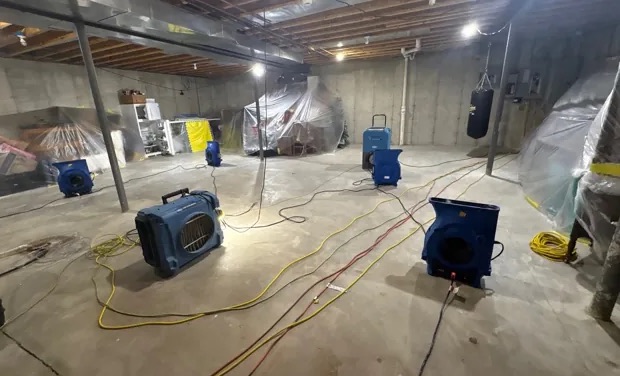
Wet framing and subfloor need to be dried, not just the floor surface. Local hydrostatic pressure experts set up a drying plan and check readings until the materials are dry.
Slab Seepage Water Removal
Groundwater pushed up through a concrete slab can leave damp spots or a thin sheet of water. It is extracted and the slab and flooring are dried.
Groundwater Intrusion Mitigation
Moisture readings and entry points are recorded during the work, which helps plan both the drying and any drainage changes outside.
When to Call for Hydrostatic Pressure Water Removal in Wilmington
Gurgling Sounds From Floor Drains
Gurgling floor drains during heavy rain can mean water pressure is building in the drain lines around the house.
Pooling Water in Crawl Space
Standing water in a crawl space is a clear sign water is getting in and needs to be removed.
Visible Cracks in Foundation Floors
New or widening cracks in a basement slab can let groundwater in when the soil is wet.
Rusted Metal in Foundation Area
Unexpected rust on support posts, pipes or appliances in the basement means the space has stayed damp for a while.
How Hydrostatic Pressure Water Removal Works in Wilmington
Step 1: Safety and Hazard Assessment
The area is made safe and electrical hazards are checked before any water removal starts.
Step 2: Foundation Crack Water Infiltration Stop
Water coming through cracks is managed with pumps while the area dries, and the cracks are noted for a foundation contractor.
Step 3: Advanced Drying System Setup
Desiccant dehumidifiers and injectidry systems are installed to dry deep within building materials. This equipment pulls moisture out of concrete, wood and insulation.
Step 4: Post-Restoration Integrity Check
A final check confirms the lower level is dry, and the readings are shared with you.
What Causes Hydrostatic Pressure Water Damage
Foundation Settlement and Cracks
As a foundation settles, cracks form and give groundwater a direct path inside.
Poor Exterior Drainage Systems
Clogged gutters, downspouts and poor grading send water toward the foundation, where it builds pressure in the soil.
Clogged or Collapsed Footing Drains
When perimeter drains clog or fail, water has nowhere to go and presses against the walls and slab.
Plumbing Leaks Under the Slab
A broken water line under the slab keeps feeding water up through the floor.
Hydrostatic Pressure Water Removal for Foundation Protection
Residential Hydrostatic Pressure Water Removal
In homes, water through the foundation can reach framing and wiring in the lower level. The experts remove the water and dry the structure, and a foundation contractor handles any cracks.
Commercial Hydrostatic Pressure Water Removal
Warehouses and plants on slab floors can take on water from below. Industrial equipment removes it and dries the large floor area so work can resume.
Hydrostatic Pressure Water Removal: Why DIY Falls Short
If you see minor dampness, move valuables and boxes away from the wet walls. If water is standing on the floor or coming through the floor or walls, call (513) 854-7491, since that usually means steady pressure from outside.
Factors Affecting Hydrostatic Pressure Water Removal Pricing in Wilmington
In Wilmington, the price depends on the size of the wet area, how deep the water got and how many days of drying the structure needs.
Structural Complexity
Tight crawl spaces and complex foundations make water removal and drying slower.
Affected Area Size
Larger flooded areas or large wet subfloors need more equipment and more days of drying.
Material Saturation Level
Deeply soaked subflooring or wet foundation walls need more extraction and dehumidification.
Does Insurance Cover Hydrostatic Pressure Water Removal?
Coverage for crawl space water often depends on the cause, such as groundwater versus a plumbing leak. The experts in Clinton County document the water and damage for you to send to your insurer.
Benefits of Local Pros for Hydrostatic Pressure Issues
Methodical Cleanup Process
Each step, from extraction to final readings, is done in order so nothing is left wet.
Focused Mitigation Planning
You get notes on where water came in, so you can plan drainage work with a contractor.
Targeted Groundwater Extraction
Equipment made for tight spaces removes water from crawl spaces and around slabs.
Around-the-Clock Help for Hydrostatic Flooding in Wilmington
For 24/7 help with soaked subfloor after groundwater flooding, call (513) 854-7491. The experts in Wilmington start with extraction and a moisture check.
Call Now (513) 854-7491Hydrostatic Pressure Water Removal for Wilmington and Nearby Communities
Groundwater cleanup and wet subfloor removal are available for properties in Wilmington and neighboring locations such as Blanchester, Xenia and Lebanon.
- Hydrostatic Pressure Water Removal in Blanchester
- Hydrostatic Pressure Water Removal in Xenia
- Hydrostatic Pressure Water Removal in Lebanon
- Hydrostatic Pressure Water Removal in Hillsboro
- Hydrostatic Pressure Water Removal in Beavercreek
- Hydrostatic Pressure Water Removal in Goshen
- Hydrostatic Pressure Water Removal in Springboro
- Hydrostatic Pressure Water Removal in Kettering
- Emergency Damage Restoration in 45177
- Storm Damage Restoration in 45177
- Water Damage Restoration in 45177
- Water Extraction Service in 45177
- Water Leak Detection in 45177
- Water Removal Service in 45177
Hydrostatic Pressure Water Removal FAQs
What is hydrostatic pressure water damage?
It is water pushed through foundation cracks or slab joints by water pressure in the soil, which floods the lower level and soaks the structure.
What is structural drying after intrusion?
It is drying the concrete, wood and other building materials after groundwater or flood water gets inside.
How is hydrostatic pressure measured during flooding?
It is not measured directly. The depth of water and how fast it comes in show how much pressure the soil is putting on the foundation.
What does groundwater intrusion mitigation involve?
Removing the water, drying the structure and then, often, drainage or waterproofing work outside by a contractor.
Is slab leak water removal an emergency?
Often, yes. Water coming up through the slab can spread under flooring and into walls quickly, so it should be removed early.