Milford, OH · Clermont County
Industrial Dehumidification in Milford, OHCommercial Water Damage Cleanup & Warehouse Moisture Control
Get Industrial Dehumidification in Milford for industrial flood damage restoration, warehouse moisture control, and mold remediation services.
Answered 24/7
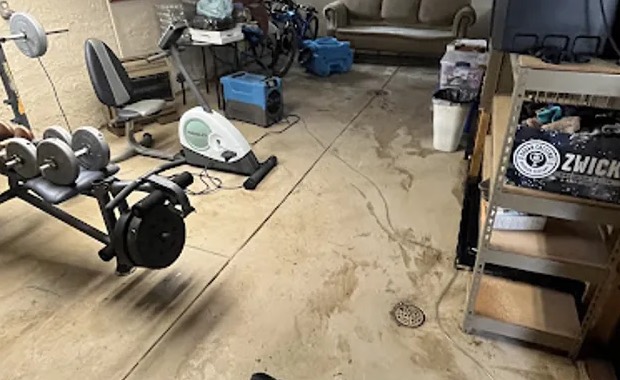
Industrial Dehumidification Solutions in Milford, Ohio
In Milford, flooding in industrial buildings comes from broken supply lines, failed equipment or storms. Acting quickly limits lost work time and further damage.
Industrial dehumidification needs in Milford and surrounding communities like Indian Hill, Madeira and Kenwood are handled by experienced water damage restoration pros. They manage everything from humidity control systems to flood cleanup on large sites. Help is available 24/7 whenever moisture problems come up.
Industrial Flood Damage Restoration in Milford
Commercial Water Damage Cleanup
A flooded warehouse or factory needs powerful moisture removal. Industrial dehumidification focuses on large-scale air drying to safeguard machinery and stored goods.
Warehouse Moisture Control
Warehouse humidity often climbs with the seasons and after leaks. Industrial dehumidifiers bring it back down, and placing them well protects stock and packaging.
Emergency Water Removal
Standing water poses immediate safety hazards and accelerates damage. Once the water is gone, industrial dehumidification addresses the saturated atmosphere and materials.
Structural Drying Services
Drying the structure after a leak means getting studs, joists and slabs dry, not just the air in the room.
Disaster Recovery Drying
After a disaster in Milford, heavy-duty drying equipment brings humidity down so repairs can start safely.
Warning Signs You Need Industrial Dehumidification
Damp Insulation or Drywall
Wet materials behind walls or above ceilings stay wet for weeks without forced drying and can rot.
Warped or Buckling Materials
Swollen wood, peeling paint or distorted flooring are signs of too much moisture in the building.
Visible Mold
Black, green or white spots on walls or contents mean humidity has been high for too long.
Soggy Inventory or Stock
Wet cardboard, damaged goods or damp raw materials mean humidity in the building is not under control.
How Industrial Dehumidification Works in Milford
Step 1: Secure Area and Remove Water
The site is made safe, then water is removed with industrial equipment.
Step 2: Install Commercial Dehumidification
Large commercial dehumidifiers bring the humidity down so the drying can start.
Step 3: Accelerated Evaporation and Drying
Air movers speed up evaporation, and the dehumidifiers collect the water from the air.
Step 4: Achieve Dry Standard and Demobilize
After confirming all materials meet the dry standard, pros dismantle the drying system.
Sources of Moisture in Industrial and Commercial Buildings
Roof Leaks and Storm Damage
Damaged roofing lets water in during heavy rain, wetting stock and floors below.
Poor Ventilation and Airflow
Poor ventilation traps moisture from work processes and people inside the building.
Natural Disasters and Severe Weather
Flash floods, torrential rain and other extreme events can soak large buildings and need large-scale drying.
Foundation Cracks and Seepage
Groundwater pushed up through cracks in slabs and walls keeps lower areas damp.
Residential and Commercial Industrial Dehumidification in Milford
Residential Industrial Dehumidification
In homes, water from a burst pipe spreads inside walls and under floors. Local water damage restoration pros find the wet areas with meters and dry them to save the structure and finishes.
Commercial Industrial Dehumidification
Manufacturing plants and warehouses need large-scale drying after a major water incident. Drying brings the space back to the humidity levels production requires.
DIY Moisture Control vs. Professional Industrial Dehumidification in Milford
Move valuable items and equipment out of the wet area to limit losses. Finding hidden water in walls and under floors takes moisture meters and commercial drying equipment.
Understanding Industrial Dehumidification Costs in Milford
The cost of temporary dehumidification depends on the size of the building, the humidity target and whether concrete needs special drying.
Water Contamination Level
Clean, gray and black water need different safety steps and cleanup methods.
Drying Time Required
How long the dehumidifiers must run to reach dry readings is a main cost component.
Equipment Quantity
The number of dehumidifiers, air movers and meters needed grows with the size of the flood.
Does Insurance Cover Industrial Dehumidification?
The pros in Milford document the full extent of microbial growth and the underlying conditions, providing this evidence for the insurer to evaluate against the policy's terms.
Why Milford Properties Need Local Pros for Industrial Dehumidification
Containment Protocols
Where mold is found, barriers keep it from spreading to other parts of the building.
Humidity Reduction Systems
Dehumidifiers can stay in place until humidity in the building is stable.
Detailed Moisture Documentation
Meters and sensors track humidity and moisture, so you can see drying progress day by day.
24/7 Emergency Industrial Dehumidification in Milford
A burst pipe or equipment failure can flood a building and stop work. Call (513) 854-7491 for 24/7 help with industrial flood cleanup in Milford.
Call Now (513) 854-7491Industrial Dehumidification Available Throughout Milford, Indian Hill, Madeira and Kenwood
Businesses in Milford rely on professional humidity control and structural drying. Service is available locally and in nearby places including Indian Hill, Madeira and Kenwood.
- Industrial Dehumidification in Indian Hill
- Industrial Dehumidification in Madeira
- Industrial Dehumidification in Kenwood
- Industrial Dehumidification in Mount Carmel
- Industrial Dehumidification in Montgomery
- Industrial Dehumidification in Loveland
- Industrial Dehumidification in Batavia
- Industrial Dehumidification in Dry Run
- Emergency Damage Restoration in 45150
- Storm Damage Restoration in 45150
- Water Damage Restoration in 45150
- Water Extraction Service in 45150
- Water Leak Detection in 45150
- Water Removal Service in 45150
Industrial Dehumidification FAQs for Milford Property Owners
What is the first step in emergency water removal?
The initial critical step is extracting all standing water using truck-mounted or portable pumps and extractors.
Why choose professional Industrial Dehumidification over in-house fans?
Industrial dehumidifiers and moisture meters dry the structure fully, reaching hidden moisture that fans alone leave behind.
What is the goal of disaster recovery drying?
It is drying a building after a large water loss so the business can return to normal use as soon as possible.
What is industrial dehumidification?
It is removing excess moisture from the air and materials in commercial or industrial buildings after water damage, using large dehumidifiers.
How does commercial dehumidification differ from residential?
The focus extends beyond drying to include minimizing operational downtime and protecting sensitive inventory or machinery.