Anderson Township, OH · Hamilton County
Multi-Family Water Damage Restoration in Anderson Township, OHCarpet Water Damage Restoration & Apartment Mold Prevention
Multi-Family Water Damage Restoration in Anderson Township addresses apartment water extraction, wet drywall removal, and multi-unit flood drying.
Answered 24/7
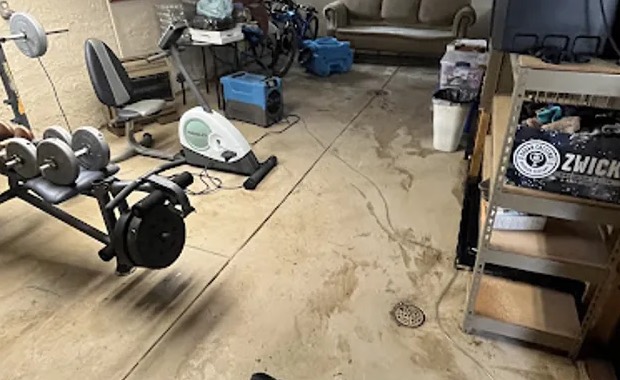
Trusted Multi-Family Water Damage Restoration for Anderson Township Residents
Apartment water damage cleanup is a frequent need in rental properties, where aging plumbing or appliance failures are common. In Anderson Township, such events can affect ceilings, floors, and personal belongings across several units.
For water damage in apartment buildings, an and coordinated response is vital. In the Anderson Township area, local water extraction experts are equipped to handle large-volume losses from broken mains or appliance failures.
Complete Multi-Family Water Damage Restoration Solutions for Anderson Township
Carpet Water Damage Restoration
Carpet water damage restoration involves extracting water, cleaning, and drying carpets in hallways and units. If padding is soaked, it is removed to dry the subfloor.
Apartment Mold Prevention
To prevent mold, every water incident requires drying of drywall, insulation and framing. Water damage experts create conditions that do not support mold colonization.
Condo Water Damage Cleanup
Condo water damage cleanup involves extracting water, disinfecting affected surfaces and addressing moisture in shared walls and utility chases. Proper cleanup prevents cross-contamination and preserves living conditions.
Emergency Water Removal
Emergency water removal provides a 24/7 response to stop active flooding. The priority is extraction to minimize damage to multiple units and electrical systems.
Multi-Unit Flood Drying
Multi-unit flood drying uses air movers and dehumidifiers to eliminate moisture from walls and floors. Proper drying prevents warping and hidden mold.
Indicators of Water Damage in Anderson Township Multi-Family Homes
Water Stains on Ceilings or Walls
Stained patches on walls or ceilings in units mean a leak is still feeding water into the building.
Sagging Ceiling Tiles or Panels
Ceiling materials that are drooping or bowing are heavy with water and risk collapse, needing early action.
Increased Humidity in Units
A clammy feeling in apartments after a leak means the units were not fully dried.
Buckling or Warped Flooring
Carpets, laminate, or hardwood floors that are lifting or cupping are classic signs of water damage in apartment buildings.
How Multi-Family Water Damage Restoration Works in Anderson Township
Step 1: Assessment and Water Source Control
Water restoration pros first identify the leak source and extent of water damage in apartment buildings to create a targeted action plan.
Step 2: Commercial Water Extraction From All Levels
High-volume pumps and extractors are used for apartment water extraction from carpets, subfloors, and elevator shafts across multiple floors.
Step 3: Structural Drying and Moisture Monitoring
Specialized equipment dries the building's structure, with sensors ensuring walls and concrete slabs reach a dry standard, preventing mold.
Step 4: Final Verification and Air Quality Check
Before concluding, the pros verify all areas are dry before residents and tenants move back in.
Common Causes of Water Damage in Anderson Township Apartments
Roof Leaks During Heavy Rain
Compromised roofing can allow water to seep into top-floor units and cascade down.
Failed Bathtub or Shower Seals
Worn caulking and grout let water into walls and subfloors in bathrooms and kitchens.
Clogged Balcony or Patio Drains
Blocked drainage on exterior spaces causes water to pool and infiltrate sliding doors, leading to interior floor damage.
Sewer Line Backups and Overflows
Blockages in main sewer lines can force contaminated water back into lower-level units, creating a severe health hazard.
Multi-Family Water Damage Restoration for All Property Types in Anderson Township
Residential Multi-Family Water Damage Restoration
For apartment complexes and condominiums, the pros in Anderson Township address leaks that spread between units. Proper drying prevents disputes between neighbors and landlords over mold issues.
Commercial Multi-Family Water Damage Restoration
For multi-tenant office buildings or retail spaces, the pros contain business interruptions. Documentation for insurance is thorough to support claims for both property managers and business owners.
Professional Multi-Family Water Damage Restoration or DIY Repair in Anderson Township
You can document the initial damage for your insurance claim by taking clear photos and videos of the affected areas and the water source. Make a list of damaged personal property items.
Cost Considerations for Multi-Family Water Damage Restoration in Anderson Township
Restoration costs for water damage in apartment buildings around Anderson Township depend on the severity of the flooding and the accessibility of the affected areas.
Property Layout Complexity
A complex multi-family building with hard-to-access utility chases or shared walls can make drying more labor-intensive, affecting the final cost.
Affected Unit Count
One flooded apartment costs far less than water that spread through several units, which need more equipment and labor.
Emergency Service Timing
A 24/7 emergency water removal call typically involves a different rate structure than a scheduled service during standard business hours.
Does Insurance Cover Multi-Family Water Damage Restoration?
Insurance coverage for multi-family water damage restoration often depends on the water source and specific policy language. Coverage decisions belong solely to the insurance company.
Benefits of Local Pros for Multi-Family Water Damage Restoration in Anderson Township
24/7 Emergency Response
Help is available around the clock in Anderson Township, so water can be removed before it reaches more units.
IICRC-Standard Water Extraction
Water is removed from each affected unit before drying starts, so drying is shorter and more even across the building.
Moisture Verification
Meters confirm each unit is dry before equipment comes out, so no hidden moisture is left in shared walls.
24/7 Emergency Multi-Family Water Damage Restoration in Anderson Township
Water in one apartment can reach the units below within hours. Call (513) 854-7491 24/7 for water removal and drying across the affected units.
Call Now (513) 854-7491Regions Served for Multi-Family Water Damage Restoration Near Anderson Township
Leaks in apartment buildings often affect several units at once. In Anderson Township, local pros handle them and also serve owners in nearby places like Forestville, Cherry Grove and Dry Run.
- Multi-Family Water Damage Restoration in Forestville
- Multi-Family Water Damage Restoration in Cherry Grove
- Multi-Family Water Damage Restoration in Dry Run
- Multi-Family Water Damage Restoration in Mount Carmel
- Multi-Family Water Damage Restoration in Withamsville
- Multi-Family Water Damage Restoration in Newport
- Multi-Family Water Damage Restoration in Cold Spring
- Multi-Family Water Damage Restoration in Fort Thomas
FAQ for Multi-Family Water Damage Restoration in Anderson Township
What is the process for wet drywall removal in a condo?
After moisture readings show how high the water went, wet drywall is cut out so the wall cavity can dry and mold does not start inside it.
What documentation is provided for an insurance claim?
Local pros document the damage with photos, provide moisture reading logs, and detail the restoration process performed, which you submit to your insurer for their review.
Is commercial water extraction used for apartment buildings?
Yes. Apartment buildings often need truck-mounted units and commercial pumps to move large volumes of water.
Who coordinates access for multi-unit water damage restoration?
Property managers or owners typically coordinate access with tenants; the pros in Anderson Township work within that framework to schedule necessary drying equipment placement.
What is included in multi-family property water damage assessment?
Pros assess the water source, category, extent of affected areas across units, material saturation levels, and create a scope for necessary extraction, drying, and repairs.