Fairfield, OH · Butler County
Rapid Structural Drying in Fairfield, OHCrawl Space Drying & Wall Cavity Drying
Rapid Structural Drying in Fairfield involves emergency structural drying, wall cavity drying, and flood drying services from restoration pros.
Answered 24/7
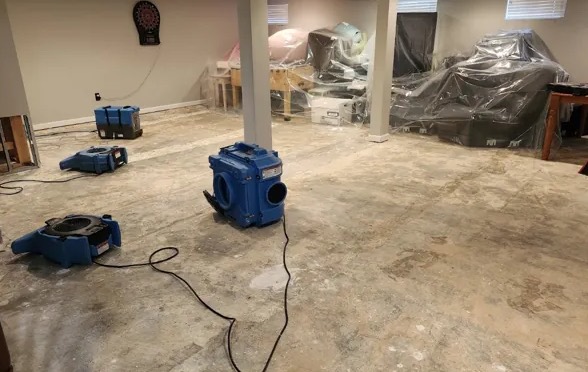
Expert Rapid Structural Drying for Fairfield Properties
Wall cavities act as hidden reservoirs for water after a leak. Insulation and framing inside walls hold moisture long after surface water is gone.
Residential structural drying in Fairfield focuses on protecting family homes from water-related deterioration. The experts perform flood drying services and moisture mapping services as part of a full response. Coverage includes areas around Hamilton, Forest Park and Springdale for convenient access.
Rapid Structural Drying Methods and Techniques
Crawl Space Drying
Damp crawl spaces promote wood rot, mold, and musty odors. Drying addresses standing water and high humidity with extraction, ventilation, and industrial dehumidification to create a dry, stable environment.
Wall Cavity Drying
Interior walls can absorb significant moisture from leaks or floods. Wall cavity drying involves accessing the space between studs to direct airflow and desiccant dehumidification.
Emergency Structural Drying
The priority after water damage is rapid drying. Powerful drying systems are then activated to aggressively remove water vapor and protect the building's integrity.
Concrete Slab Drying
Water under or within a concrete slab can wick upward for weeks. Moisture meters track the slab's drying progress daily.
Subfloor Drying
A soaked subfloor is a priority for structural drying. The process involves moisture mapping to determine the extent of saturation.
When Rapid Structural Drying is needed
Musty Odors in Your Home
A musty smell that will not go away usually means moisture is trapped inside walls or under floors.
Peeling Paint or Wallpaper
Paint or wallpaper that is blistering and peeling is often caused by hidden moisture behind the surface.
High Indoor Humidity Levels
A clammy feeling in the air suggests elevated moisture that structural dehumidification equipment is designed to correct.
Recent Plumbing Leak or Flood
Any recent leak or flood can leave water inside walls and floors even after surfaces look dry.
How Rapid Structural Drying Works in Fairfield
Step 1: Site Evaluation for Hidden Moisture
The service starts with a thorough evaluation using probes and sensors to locate all hidden moisture within wall cavities, subfloors, and concrete slabs.
Step 2: Deployment of Industrial Drying Systems
Commercial dehumidifiers and air movers are set up to pull water out of dense materials like hardwood and framing.
Step 3: Active Wall and Subfloor Drying Cycle
An active drying cycle begins, with equipment running continuously to evaporate and extract moisture, focusing on wall cavity and subfloor drying.
Step 4: Assurance of Complete Moisture Removal
Before concluding, pros verify complete moisture removal with final checks, ensuring the structure is protected from future mold or rot issues.
What Leads to Needing Rapid Structural Drying
Poor Ventilation in Enclosed Spaces
Inadequate airflow in crawl spaces or wall cavities traps moisture, promoting rot and mold that experts must address.
Roof Leaks From Storm Damage
Wind-driven rain or damaged shingles allow water to infiltrate attics and wall cavities, leading to widespread structural moisture.
Foundation Cracks and Water Seepage
Cracks in a foundation or basement wall permit groundwater intrusion, which can saturate concrete slabs and framing.
Landscaping or Grading Problems
Improper yard slope can direct water toward a foundation, leading to persistent dampness in slabs and crawl spaces.
Both Home and Business Rapid Structural Drying
Residential Rapid Structural Drying
In homes, rapid structural drying targets moisture trapped in walls, under floors, and in crawl spaces after a leak.
Commercial Rapid Structural Drying
For businesses, commercial structural drying minimizes downtime after water damage. The pros focus on large-scale moisture removal from concrete slabs, interior wall cavities, and office subfloors using high-capacity equipment to get operations back to normal swiftly.
Rapid Structural Drying vs. DIY: When to Call Water Damage Pros
If safe, you can turn off the water source at the main valve to stop the flow. Move furniture and belongings away from the wet area onto dry surfaces.
Factors Influencing Rapid Structural Drying Costs
Pricing for emergency structural drying in Fairfield varies based on the category of water involved and the required drying time. Dehumidification and moisture mapping add to the total.
Access and Complexity
Difficult-to-reach areas like tight crawl spaces or behind finished walls add labor time to the emergency structural drying process.
Affected Structural Materials
Drying dense materials like concrete slabs or enclosed wall cavities demands specialized techniques and longer durations than drying open areas.
Extent of Water Damage
The square footage and depth of saturation in materials like drywall and subflooring directly impact the drying time and equipment needed.
Does Insurance Cover Rapid Structural Drying?
Coverage for rapid structural drying depends on the insurance policy and the cause of loss. The homeowner should submit this documentation to their insurer, as coverage decisions belong solely to the insurer.
Benefits of Professional Rapid Structural Drying
Industrial-Grade Drying Equipment
High-capacity air movers and dehumidifiers dry crawl spaces and concrete slabs, which hold water longest.
24/7 Emergency Response
Help is available day or night to begin the rapid structural drying process and limit further damage.
Advanced Moisture Detection
Tools like thermal imagers and moisture meters are used for accurate moisture mapping to find hidden water.
24/7 Rapid Structural Drying When You Need It
Don't wait for hidden moisture in crawl spaces or concrete slabs to cause more damage. For emergency structural drying and dehumidification, call (513) 854-7491 at any hour to get started.
Call Now (513) 854-7491Local Rapid Structural Drying Coverage Area
Wall cavity and subfloor drying is available in Fairfield and nearby areas such as Hamilton, Forest Park and Springdale.
- Rapid Structural Drying in Hamilton
- Rapid Structural Drying in Forest Park
- Rapid Structural Drying in Springdale
- Rapid Structural Drying in Northgate
- Rapid Structural Drying in Northbrook
- Rapid Structural Drying in Colerain Township
- Rapid Structural Drying in Trenton
- Rapid Structural Drying in West Chester Township
- Emergency Damage Restoration in 45014
- Storm Damage Restoration in 45014
- Water Damage Restoration in 45014
- Water Extraction Service in 45014
- Water Leak Detection in 45014
- Water Removal Service in 45014
- Emergency Damage Restoration in 45018
- Storm Damage Restoration in 45018
Frequently Asked Rapid Structural Drying Questions
Is rapid structural drying needed for clean water leaks?
Yes, even clean water from a broken pipe requires rapid structural drying to prevent absorption into porous materials, which can lead to swelling, warping, and potential mold.
What is the goal of commercial structural drying?
The goal of commercial structural drying is to quickly restore a safe, dry environment for business operations by removing moisture from building materials and contents to prevent long-term damage.
What is involved in subfloor drying?
Subfloor drying involves using specialized air movers and dehumidifiers to draw moisture out of the wooden or concrete layer beneath flooring, often requiring access panels or strategic placement of equipment.
How long does concrete slab drying typically take?
Concrete slab drying time varies with thickness and saturation but often takes several days, as dense concrete releases moisture slowly, requiring sustained use of industrial dehumidifiers and air circulation.
What are moisture mapping services?
Moisture mapping services involve using meters and sensors to create a visual record of moisture levels throughout a structure, guiding the drying process and verifying when materials are dry.