Georgetown, OH · Brown County
Rapid Structural Drying in Georgetown, OHEmergency Structural Drying & Crawl Space Drying
Rapid Structural Drying in Georgetown involves emergency structural drying, wall cavity drying, and flood drying services from restoration pros.
Answered 24/7
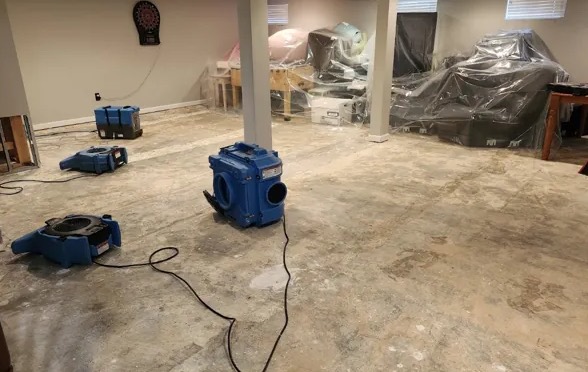
Reliable Rapid Structural Drying Available in Georgetown
Flooding events introduce large volumes of water that soak deep into structural components. Residential structural drying after a flood requires powerful equipment to dry materials from the inside out.
Residential structural drying in Georgetown focuses on protecting family homes from water-related deterioration. The experts perform flood drying services and moisture mapping services as part of a full response. Coverage includes areas around Higginsport, Augusta and Ripley for convenient access.
Advanced Rapid Structural Drying Processes
Emergency Structural Drying
Drying starts with a quick assessment and equipment placement, so moisture is pulled from walls, floors and framing before the damage spreads.
Crawl Space Drying
Properties in Georgetown may have crawl spaces affected by seasonal moisture. The pros seal vapor barriers and run drying equipment until wood moisture content returns to safe levels.
Subfloor Drying
A soaked subfloor is a priority for structural drying. The process involves moisture mapping to determine the extent of saturation.
Structural Dehumidification
The core of rapid structural drying is aggressive dehumidification. Using low-grain refrigerant (LGR) or desiccant units, pros control the environment to halt secondary damage.
Wall Cavity Drying
Moisture locked within a wall demands a focused drying solution. Desiccant dehumidifiers are often used to aggressively pull moisture from the enclosed area.
When Rapid Structural Drying Is Needed
Water Pooling in Crawl Spaces
Standing water under your home puts floor framing at risk and needs pumping and drying.
Warped or Bubbling Floorboards
Hardwood floors that buckle or cup have taken on moisture from below, usually from a wet subfloor.
Musty Odors in Your Home
A musty smell that will not go away usually means moisture is trapped inside walls or under floors.
Visible Water Stains on Walls
Yellow or brown stains on drywall or ceilings mean water got into the material and may still be inside.
How Rapid Structural Drying Works in Georgetown
Step 1: Emergency Response and Moisture Detection
The pros use meters and thermal cameras to find all wet areas and decide which to dry first.
Step 2: Setup of Airflow and Dehumidification
A balanced system of airflow and structural dehumidification is established to pull moisture from materials and condense it out of the air.
Step 3: Specialized Drying for Concrete and Cavities
Specialized techniques like concrete slab drying and forced cavity drying are applied to address moisture trapped in the most challenging structural components.
Step 4: Final Structural Integrity Confirmation
Final moisture readings are recorded for each area to confirm the structure is dry before repairs begin.
Events That Lead to Rapid Structural Drying
HVAC System Condensation Issues
Clogged drain lines or faulty condensate pumps from air handlers can cause significant water damage inside walls and ceilings.
Burst Pipes or Plumbing Failures
A burst pipe can release hundreds of gallons, soaking drywall, subfloors and framing well beyond the room where it broke.
Landscaping or Grading Problems
Improper yard slope can direct water toward a foundation, leading to persistent dampness in slabs and crawl spaces.
Poor Ventilation in Enclosed Spaces
Inadequate airflow in crawl spaces or wall cavities traps moisture, promoting rot and mold that experts must address.
Property Types Requiring Rapid Structural Drying in Georgetown
Residential Rapid Structural Drying
In homes, rapid structural drying targets moisture trapped in walls, under floors, and in crawl spaces after a leak.
Commercial Rapid Structural Drying
For businesses, commercial structural drying minimizes downtime after water damage. The pros focus on large-scale moisture removal from concrete slabs, interior wall cavities, and office subfloors using high-capacity equipment to get operations back to normal swiftly.
Why DIY Rapid Structural Drying Often Fails
You can pull up soaked rugs and padding so the subfloor can start drying. Check other rooms for signs of spreading moisture, such as damp baseboards or swelling trim.
Understanding Rapid Structural Drying Investment
In Georgetown, the cost of professional structural drying is influenced by the number of rooms affected and the type of materials involved. Drying thick concrete slabs or enclosed wall cavities typically requires more resources.
Required Drying Equipment
The number and type of industrial air movers, dehumidifiers, and moisture meters deployed for structural moisture removal influence operational costs.
Access and Complexity
Difficult-to-reach areas like tight crawl spaces or behind finished walls add labor time to the emergency structural drying process.
Moisture Mapping Scope
Detailed moisture mapping services to track drying progress across a structure require additional time and diagnostic tools from the pros.
Does Insurance Cover Rapid Structural Drying?
Whether residential structural drying is covered depends on your insurer's interpretation of the cause. You are responsible for filing the claim and discussing coverage specifics with your insurance agent.
Reasons to Trust Water Damage Pros with Rapid Structural Drying
Industrial-Grade Drying Equipment
High-capacity air movers and dehumidifiers dry crawl spaces and concrete slabs, which hold water longest.
Targeted Drying Strategies
Drying plans are adjusted for subfloors and enclosed spaces that need targeted dehumidification.
Prevention of Mold Growth
Rapid drying helps control humidity levels, creating an environment less conducive to mold development after water intrusion.
24/7 Rapid Structural Drying When You Need It
A plumbing failure or appliance leak can soak framing and subfloors within hours. Call (513) 854-7491 to start rapid structural drying.
Call Now (513) 854-7491Rapid Structural Drying for Georgetown, Higginsport, Augusta and Ripley
Across Georgetown and nearby communities, the pros map moisture and dry structures for homes and businesses in Georgetown, Higginsport, Augusta and Ripley.
- Rapid Structural Drying in Higginsport
- Rapid Structural Drying in Augusta
- Rapid Structural Drying in Ripley
- Rapid Structural Drying in Bethel
- Rapid Structural Drying in Brooksville
- Rapid Structural Drying in Moscow
- Rapid Structural Drying in Williamsburg
- Rapid Structural Drying in Aberdeen
- Emergency Damage Restoration in 45121
- Storm Damage Restoration in 45121
- Water Damage Restoration in 45121
- Water Extraction Service in 45121
- Water Leak Detection in 45121
- Water Removal Service in 45121
Rapid Structural Drying Information and Answers
What equipment is used for water mitigation drying?
Water mitigation drying utilizes industrial air movers for evaporation, high-capacity dehumidifiers to remove vapor, and moisture meters to monitor progress throughout the structural drying process.
Why document the process for insurance?
Detailed documentation of moisture readings, photos, and equipment used provides a clear record for your insurance claim, showing the necessity and scope of the rapid structural drying services performed.
Can flood drying services prevent mold?
Prompt flood drying services that quickly remove water and lower humidity can significantly reduce the risk of mold growth, which often begins within 24-48 hours in damp conditions.
How do pros know when structural drying is complete?
The pros use moisture meters to compare readings in affected materials to known dry standards in unaffected areas, ensuring moisture levels are acceptable before concluding the job.
What is structural dehumidification?
Structural dehumidification uses large-capacity dehumidifiers to lower the overall humidity within a building's structure, aiding the drying of materials and helping to prevent secondary water damage like mold.