Harrison, OH · Hamilton County
Rapid Structural Drying in Harrison, OHSubfloor Drying & Concrete Slab Drying
Rapid Structural Drying in Harrison involves emergency structural drying, wall cavity drying, and flood drying services from restoration pros.
Answered 24/7
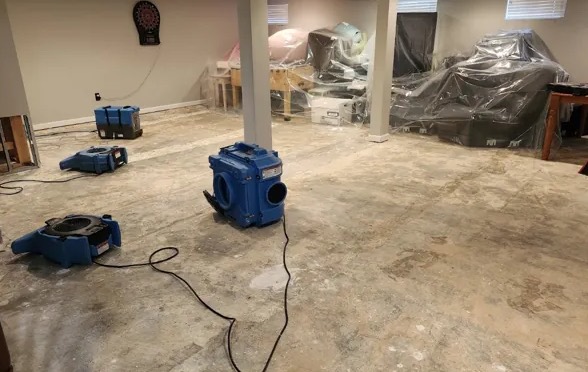
Expert Rapid Structural Drying for Harrison Properties
Flooding events introduce large volumes of water that soak deep into structural components. Residential structural drying after a flood requires powerful equipment to dry materials from the inside out.
Fast structural drying is essential for homes throughout Harrison. The pros provide subfloor drying and crawl space drying to protect foundational elements. Services reach neighboring areas including Colerain Township, Dent and Greendale for broader support.
Tailored Rapid Structural Drying for Harrison
Subfloor Drying
In many water damage situations, the subfloor is critically affected. Subfloor drying prevents costly replacement by using specialized equipment like LGR dehumidifiers and directed airflow.
Concrete Slab Drying
Concrete slabs retain moisture long after surface water is gone, leading to efflorescence and flooring adhesive failure.
Emergency Structural Drying
Drying starts with a quick assessment and equipment placement, so moisture is pulled from walls, floors and framing before the damage spreads.
Moisture Mapping Services
Before drying equipment is set up, a moisture map is created. This service identifies the full extent of water migration in Harrison properties.
Structural Dehumidification
After water extraction, dehumidification tackles the remaining vapor. Structural dehumidification creates a drying gradient, pulling moisture from wet materials into the drier air.
When Rapid Structural Drying is needed
Soggy or Spongy Drywall
Drywall that feels soft to the touch has absorbed a lot of water and needs drying right away.
Visible Water Stains on Walls
Yellow or brown stains on drywall or ceilings mean water got into the material and may still be inside.
High Indoor Humidity Levels
A clammy feeling in the air suggests elevated moisture that structural dehumidification equipment is designed to correct.
Water Pooling in Crawl Spaces
Standing water under your home puts floor framing at risk and needs pumping and drying.
How Rapid Structural Drying Works in Harrison
Step 1: Emergency Assessment and Moisture Mapping
The pros first perform a detailed inspection using moisture meters and thermal imaging to create a precise moisture map of all affected structural areas.
Step 2: Strategic Flood Drying Setup
Based on the moisture map, air movers and dehumidifiers are placed where they dry the wet materials fastest.
Step 3: Targeted Cavity and Subfloor Drying
Hidden moisture in walls and subfloors is dried with injection systems or drying mats, without tearing out the finishes.
Step 4: Verification and Structural Dehumidification
Pros check moisture levels with meters and adjust equipment until all materials meet dry targets.
What Leads to Needing Rapid Structural Drying
Roof Leaks From Storm Damage
Wind-driven rain or damaged shingles allow water to infiltrate attics and wall cavities, leading to widespread structural moisture.
Overflowing Sinks or Bathtubs
A bathroom overflow can send water under flooring and into wall cavities, where it stays hidden.
Landscaping or Grading Problems
Improper yard slope can direct water toward a foundation, leading to persistent dampness in slabs and crawl spaces.
Clogged Gutters and Downspouts
When gutters overflow, water pools against the foundation and can seep into crawl spaces, slabs and lower walls.
Rapid Structural Drying for All Property Types in Harrison
Residential Rapid Structural Drying
Homeowners face risks from hidden moisture in attics and crawl spaces. Emergency structural drying services use air scrubbers and focused drying to safeguard indoor air quality and the home's structural integrity from slow leaks.
Commercial Rapid Structural Drying
Warehouses and industrial facilities need large-scale drying for wide concrete floors. Professionals employ drying strategies and moisture mapping to prevent corrosion of inventory and structural components.
Rapid Structural Drying vs. DIY: When to Call Water Damage Pros
Watch the indoor humidity with a hygrometer if you have one. Running your air conditioner can lower humidity for a while, but it will not dry wet walls or subfloors.
Understanding Rapid Structural Drying Investment
Several factors determine rapid structural drying cost for a home in Harrison. The primary considerations are the square footage affected and the complexity of accessing wet structural components like crawl spaces or concrete slabs.
Moisture Mapping Scope
Detailed moisture mapping services to track drying progress across a structure require additional time and diagnostic tools from the pros.
Extent of Water Damage
The square footage and depth of saturation in materials like drywall and subflooring directly impact the drying time and equipment needed.
Project Duration
The total time needed for complete structural dehumidification and achieving dry standards affects the overall labor and equipment rental period.
Does Insurance Cover Rapid Structural Drying?
Whether residential structural drying is covered depends on your insurer's interpretation of the cause. You are responsible for filing the claim and discussing coverage specifics with your insurance agent.
Why Choose Local Pros for Rapid Structural Drying in Harrison
Industrial-Grade Drying Equipment
High-capacity air movers and dehumidifiers dry crawl spaces and concrete slabs, which hold water longest.
Advanced Moisture Detection
Tools like thermal imagers and moisture meters are used for accurate moisture mapping to find hidden water.
Focus on Structural Integrity
The process prioritizes drying the building structure itself, including wall cavities and subfloors, to protect its stability.
Emergency Moisture Removal for Harrison
The first 24 to 48 hours after a leak matter most for drying. If you have standing water or soaked walls, call (513) 854-7491 to start drying.
Call Now (513) 854-7491Rapid Structural Drying Near Harrison: Areas Served
Effective rapid structural drying protects the integrity of buildings in Harrison. The pros provide specialized drying for affected areas, offering services to Harrison and surrounding communities including Colerain Township, Dent and Greendale.
- Rapid Structural Drying in Colerain Township
- Rapid Structural Drying in Dent
- Rapid Structural Drying in Greendale
- Rapid Structural Drying in Green Township
- Rapid Structural Drying in Mack
- Rapid Structural Drying in Northgate
- Rapid Structural Drying in Lawrenceburg
- Rapid Structural Drying in White Oak
- Emergency Damage Restoration in 45030
- Storm Damage Restoration in 45030
- Water Damage Restoration in 45030
- Water Extraction Service in 45030
- Water Leak Detection in 45030
- Water Removal Service in 45030
Rapid Structural Drying Information and Answers
How long does concrete slab drying typically take?
Concrete slab drying time varies with thickness and saturation but often takes several days, as dense concrete releases moisture slowly, requiring sustained use of industrial dehumidifiers and air circulation.
When is crawl space drying necessary?
Crawl space drying is necessary when flooding or high humidity saturates this enclosed area, as trapped moisture can damage foundation piers, joists, and lead to mold growth throughout the home.
Why document the process for insurance?
Detailed documentation of moisture readings, photos, and equipment used provides a clear record for your insurance claim, showing the necessity and scope of the rapid structural drying services performed.
How does emergency structural drying differ from regular drying?
It is drying that starts as an emergency call, often outside business hours, with equipment set up to protect the structure before materials swell or grow mold.
Why is wall cavity drying important after a leak?
Water trapped inside wall cavities can lead to hidden mold, wood rot, and compromised insulation.