Wilmington, OH · Clinton County
Rapid Structural Drying in Wilmington, OHMoisture Mapping Services & Concrete Slab Drying
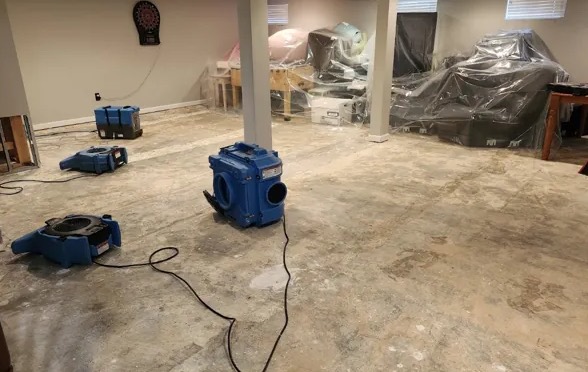
Rapid Structural Drying in Wilmington involves emergency structural drying, wall cavity drying, and flood drying services from restoration pros.
Answered 24/7
Professional Rapid Structural Drying in Wilmington, OH
Water intrusion from plumbing failures or weather events threatens structural integrity in any property. Untreated moisture leads to wood rot, mold growth and compromised building materials.
Residential structural drying in Wilmington focuses on protecting family homes from water-related deterioration. Local moisture removal experts perform flood drying services and moisture mapping services as part of a full response. Coverage includes areas around Blanchester, Xenia and Lebanon for convenient access.
Comprehensive Rapid Structural Drying Solutions
Moisture Mapping Services
Knowing where moisture hides is essential. Moisture mapping involves systematic checks of walls, floors, and ceilings to document saturation levels.
Concrete Slab Drying
Concrete slabs retain moisture long after surface water is gone, leading to efflorescence and flooring adhesive failure.
Structural Dehumidification
The core of rapid structural drying is aggressive dehumidification. Using low-grain refrigerant (LGR) or desiccant units, pros control the environment to halt secondary damage.
Subfloor Drying
Wet subfloors can warp, swell, and compromise the floor system. Drying removes moisture from plywood or OSB, often requiring lifted flooring sections to allow direct airflow from above and below.
Crawl Space Drying
Crawl spaces are vulnerable to groundwater and plumbing leaks. Effective drying here combines pumping, debris removal, and the strategic placement of air movers and dehumidifiers.
When Rapid Structural Drying is needed
Damp Spots on Concrete Floors
Persistent dampness on a concrete slab can leave white mineral deposits and loosen flooring adhesive.
Warped or Bubbling Floorboards
Hardwood floors that buckle or cup have taken on moisture from below, usually from a wet subfloor.
Squeaking or Soft Floor Areas
Unusual noises or soft spots when walking indicate compromised subflooring from water damage that needs assessment.
Condensation Inside Window Frames
Excessive condensation can lead to wall cavity moisture and rot, a common issue addressed by the pros.
How Rapid Structural Drying Works in Wilmington
Step 1: Water Extraction and Containment
The process begins with extracting any standing water, then containing the affected area to prevent moisture migration to dry parts of the building.
Step 2: Professional Drying Equipment Deployment
Powerful desiccant and refrigerant dehumidifiers are deployed alongside air movers to aggressively remove moisture from the air and building materials.
Step 3: Focused Crawl Space and Slab Drying
Hard areas get specific methods, such as ducted air for crawl spaces and floor mats for concrete slabs.
Step 4: Final Moisture Validation and Documentation
Final moisture readings are taken and documented with photos and reports for your insurer, confirming the structure is dry and stable.
Common Causes of Water Damage Requiring Rapid Structural Drying in Wilmington
Overflowing Sinks or Bathtubs
A bathroom overflow can send water under flooring and into wall cavities, where it stays hidden.
Burst Pipes or Plumbing Failures
A burst pipe can release hundreds of gallons, soaking drywall, subfloors and framing well beyond the room where it broke.
Poor Ventilation in Enclosed Spaces
Inadequate airflow in crawl spaces or wall cavities traps moisture, promoting rot and mold that experts must address.
HVAC System Condensation Issues
Clogged drain lines or faulty condensate pumps from air handlers can cause significant water damage inside walls and ceilings.
Rapid Structural Drying for Homes and Businesses
Residential Rapid Structural Drying
Crawl space drying is critical in homes to stop wood rot and pest infestation. The pros run drying ducts and desiccant dehumidifiers under the house until it reads dry.
Commercial Rapid Structural Drying
Offices get drying plans that run in phases, floor by floor, so wall cavities and ceiling plenums are dried with the least disruption.
The Risks of Attempting Rapid Structural Drying Yourself
If safe, you can turn off the water source at the main valve to stop the flow. Move furniture and belongings away from the wet area onto dry surfaces.
Factors Influencing Rapid Structural Drying Costs
For commercial drying in Wilmington, cost depends on how long the business is interrupted and the size of the drying setup.
Water Contamination Category
Clean water from a broken pipe is simpler to address than contaminated flood water, which requires more extensive safety and drying protocols.
Access and Complexity
Difficult-to-reach areas like tight crawl spaces or behind finished walls add labor time to the emergency structural drying process.
Extent of Water Damage
The square footage and depth of saturation in materials like drywall and subflooring directly impact the drying time and equipment needed.
Does Insurance Cover Rapid Structural Drying?
Whether residential structural drying is covered depends on your insurer's interpretation of the cause. You are responsible for filing the claim and discussing coverage specifics with your insurance agent.
The Importance of Expert Rapid Structural Drying
IICRC-Standard Drying Methods
Drying follows set targets checked with meters, which prevents damage from moisture left behind.
Targeted Drying Strategies
Drying plans are adjusted for subfloors and enclosed spaces that need targeted dehumidification.
Prevention of Mold Growth
Rapid drying helps control humidity levels, creating an environment less conducive to mold development after water intrusion.
24/7 Rapid Structural Drying When You Need It
When water gets into wall cavities or subfloors, drying should start soon. Call (513) 854-7491 24/7 for structural drying in Wilmington.
Call Now (513) 854-7491Rapid Structural Drying Near Wilmington: Areas Served
Structural drying is available for homes across Wilmington, and in nearby places such as Blanchester, Xenia and Lebanon.
- Rapid Structural Drying in Blanchester
- Rapid Structural Drying in Xenia
- Rapid Structural Drying in Lebanon
- Rapid Structural Drying in Hillsboro
- Rapid Structural Drying in Beavercreek
- Rapid Structural Drying in Goshen
- Rapid Structural Drying in Springboro
- Rapid Structural Drying in Kettering
- Emergency Damage Restoration in 45177
- Storm Damage Restoration in 45177
- Water Damage Restoration in 45177
- Water Extraction Service in 45177
- Water Leak Detection in 45177
- Water Removal Service in 45177
Common Queries About Structural Drying
What is structural dehumidification?
Structural dehumidification uses large-capacity dehumidifiers to lower the overall humidity within a building's structure, aiding the drying of materials and helping to prevent secondary water damage like mold.
How do pros know when structural drying is complete?
The pros use moisture meters to compare readings in affected materials to known dry standards in unaffected areas, ensuring moisture levels are acceptable before concluding the job.
What areas of a home need structural moisture removal?
Structural moisture removal often targets concealed areas like behind walls, under floors, within ceiling cavities, and in support beams where water can linger and cause hidden damage.
Can flood drying services prevent mold?
Prompt flood drying services that quickly remove water and lower humidity can significantly reduce the risk of mold growth, which often begins within 24-48 hours in damp conditions.
Is rapid structural drying needed for clean water leaks?
Yes, even clean water from a broken pipe requires rapid structural drying to prevent absorption into porous materials, which can lead to swelling, warping, and potential mold.