Cheviot, OH · Hamilton County
Restaurant Water Damage Restoration in Cheviot, OHCommercial Kitchen Drying Services & Restaurant Mold Prevention Services
Kitchen flood water extraction, grease trap overflow cleanup, and restaurant mold prevention services define many Restaurant Water Damage Restoration calls in Cheviot.
Answered 24/7
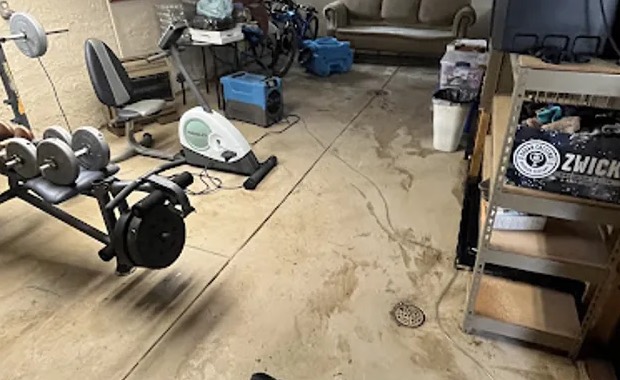
Restaurant Water Damage Restoration Response in Cheviot
Water damaged kitchen equipment, including refrigeration units and walk-in coolers, can lead to costly inventory loss and operational shutdowns. Persistent moisture in a restaurant environment promotes rapid mold, which may affect food safety.
Commercial kitchen drying services in Cheviot combat moisture from floods or leaks. Local pros serve Cheviot and nearby areas like Bridgetown, Monfort Heights and Mack. They help minimize downtime from water damage in the area's food service establishments.
Restaurant Water Damage Restoration Services in Cheviot
Commercial Kitchen Drying Services
Effective drying prevents warping and mold. Equipment targets hidden moisture under counters. Regular moisture checks track progress before rebuilding begins.
Restaurant Mold Prevention Services
Prevention focuses on aggressive drying of all wet materials, including porous cabinets and drywall, until they reach a safe, dry standard.
Kitchen Flood Water Extraction
Standing water in a kitchen is a slip hazard and can short-circuit appliances. Industrial extractors remove water from hard-to-reach areas under heavy coolers and stoves.
Water Damaged Flooring Repair
Water under flooring causes adhesive failure and swelling. Repair may involve resetting tiles, patching concrete, or sealing subfloors to restore a level, safe, and hygienic walking surface.
Emergency Dishwasher Leak Repair
When a dishwasher or ice machine floods the kitchen, the pros extract the water and start drying while the appliance is repaired.
Indicators for Emergency Restaurant Water Damage Restoration
Slow Draining Kitchen Sinks
A sink that drains slowly may have a clogged line that can back up onto the kitchen floor.
A Persistent Musty Odor
A damp smell in the kitchen often means moisture is hidden under equipment or behind walls.
Soggy Drywall Around Sinks
Soft, damp patches on walls behind prep sinks mean a plumbing leak is soaking the drywall.
Water Stains on Kitchen Cabinets
Dark streaks under sinks or counters often mean a pipe is leaking where no one can see it.
How Restaurant Water Damage Restoration Works in Cheviot
Step 1: Kitchen Water Extraction
Powerful extraction equipment pulls water from flooring and under appliances, the first action in kitchen water extraction.
Step 2: Assessment for Mold Prevention
Areas are assessed for mold risk, and drying strategies are applied as part of restaurant mold prevention services.
Step 3: Repair Water Damaged Flooring
Damaged tiles or planks are addressed, which may involve removal and drying subfloors during water damaged flooring repair.
Step 4: Restoring Kitchen Operations
Final readings confirm the kitchen is dry and ready for cleaning, inspection and reopening.
Leading Causes of Water Damage in Restaurants
Sprinkler System Accidental Discharge
A faulty head or accidental activation drenches the dining and kitchen areas.
Burst or Leaking Supply Lines
High-pressure lines to ice makers or dishwashers can fail and flood the kitchen floor quickly.
Appliance Malfunction and Overflow
Malfunctioning ice machines or coffee brewers can overflow, soaking floors and damaging kitchen equipment.
Clogged or Overflowing Grease Traps
Fats and oils solidify in drains, causing backups that spill contaminated water.
Restaurant Water Damage Restoration for the Hospitality Industry
Residential Water Damage Restoration
A residential dishwasher leak can warp hardwood floors and damage the underlying subflooring. Restoration pros perform emergency water removal and then conduct thorough structural drying to save the kitchen's integrity and prevent further deterioration.
Restaurant Water Damage Restoration
Commercial kitchens face grease trap overflows containing water mixed with grease and food solids. The experts safely extract this contaminated water and sanitize all surfaces thoroughly to meet required health and safety standards.
The Risks of DIY Restaurant Water Damage Restoration
Unplug any electrical appliances near the water to eliminate shock hazards immediately after discovering a leak. Do not use standard household vacuums to remove water, as this is unsafe and ineffective.
What Influences Restaurant Water Damage Restoration Pricing
Emergency water removal pricing accounts for the after-hours response required, the scale of extraction needed to halt further damage, and any necessary containment or safety procedures implemented at the site.
Material Restoration Needs
Simple drying of concrete is straightforward; repairing water damaged kitchen equipment or custom cabinetry requires more skilled work and parts.
Required Drying Time
An open dining room dries faster than an enclosed walk-in cooler or dish room, which need more days of equipment.
Affected Square Footage
A small dishwasher leak in a prep area involves less labor and equipment than a major flood across the entire kitchen and dining room.
Does Insurance Cover Restaurant Water Damage Restoration?
For commercial water damage, the insurer decides coverage based on the cause, such as a plumbing leak or outside flooding. The pros create a clear record for the adjuster to review.
Why Choose Local Commercial Water Removal Specialists for Restaurant Water Damage Restoration
Detailed Documentation
Thorough photos and moisture mapping support your insurance claim by providing a clear, professional record of the damage and restoration steps.
Mold Prevention Focus
A thorough drying process and humidity control are key components of restaurant mold prevention services after any water intrusion event.
Grease Trap Specifics
Experience with kitchen drain backup cleanup involving grease and waste requires specific containment, extraction, and sanitization procedures.
Round-the-Clock Restaurant Water Damage Restoration Availability
Water damage in a commercial kitchen does not wait for business hours. Call (513) 854-7491 any time to stop the damage and start cleanup.
Call Now (513) 854-7491Local Restaurant Water Damage Restoration for Bridgetown, Monfort Heights and Mack
For restaurant drying services and water extraction in Cheviot, the pros provide focused response, also assisting food service businesses in Bridgetown, Monfort Heights and Mack.
- Restaurant Water Damage Restoration in Bridgetown
- Restaurant Water Damage Restoration in Monfort Heights
- Restaurant Water Damage Restoration in Mack
- Restaurant Water Damage Restoration in Green Township
- Restaurant Water Damage Restoration in Covedale
- Restaurant Water Damage Restoration in Groesbeck
- Restaurant Water Damage Restoration in Dent
- Restaurant Water Damage Restoration in White Oak
- Emergency Damage Restoration in 45211
- Storm Damage Restoration in 45211
- Water Damage Restoration in 45211
- Water Extraction Service in 45211
- Water Leak Detection in 45211
- Water Removal Service in 45211
Frequently Asked Restaurant Water Damage Restoration Questions
What is the first step in commercial water damage repair?
The first step is a thorough assessment to identify the water source, category, and extent of damage, which guides the entire restoration plan.
How fast is emergency water removal for a restaurant?
The specialists can start kitchen water extraction any time, day or night, which limits damage and lost business.
What happens during water damaged flooring repair?
The process assesses the flooring material, removes water from the subfloor, and repairs or replaces the floor covering once the structure is completely dry.
Does a dishwasher leak require emergency repair?
Yes, emergency dishwasher leak repair should start immediately to prevent water from damaging cabinetry, flooring, and subfloors in the kitchen prep area.
What areas are most vulnerable in a kitchen flood?
Under equipment, inside wall cavities near plumbing, low points in flooring, and porous materials like wood or drywall are typically the most vulnerable areas.