Deer Park, OH · Hamilton County
Septic Tank Backup Water Removal in Deer Park, OHSeptic Backup Flood Water Removal & Septic Overflow Decontamination
For Septic Tank Backup Water Removal in Deer Park, local pros handle septic backup odor removal, septic backup flood water removal and septic tank backup water extraction.
Answered 24/7
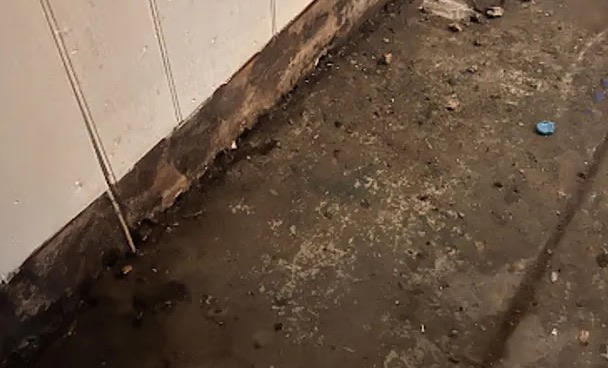
Professional Septic Tank Backup Water Removal in Deer Park, OH
Septic line backup water removal in Deer Park is crucial because the backup source might be deep in the system, requiring expertise to diagnose and address. Incorrect cleanup can lead to repeat overflows and further property damage.
Septic tank backup water removal services in Deer Park are vital for homes that rely on septic systems, which can fail due to blockages or heavy use. Properties in nearby areas like Kenwood, Madeira and Blue Ash also face similar risks from septic overflows.
Septic Tank Backup Water Removal Services in Deer Park
Septic Backup Flood Water Removal
Local septic backup cleanup pros respond 24/7 with industrial-grade equipment for septic backup water extraction. Removing the flood water stabilizes the property.
Septic Overflow Decontamination
The decontamination process applies specialized agents to kill bacteria and viruses left by the sewage spill. The pros treat every surface the sewage touched.
Septic Backup Odor Removal
Odor removal after a septic backup in Deer Park targets the source of the smell within porous materials and the air.
Emergency Septic Backup Response
An emergency response to a septic backup in Deer Park starts with a safety evaluation and water extraction setup. The pros are available 24/7 to begin this critical mitigation.
Septic Tank Backup Water Extraction
Thorough septic backup water extraction is a priority for the pros in Deer Park to protect your home's foundation and air quality. The process targets all standing water before advanced drying begins.
Symptoms Requiring Septic Tank Backup Water Removal
Toilets Flush Slowly or Not at All
Weak flushing action or water rising to the rim indicates a severe septic line backup. This is a common trigger for emergency septic backup response.
Wet Spots or Soggy Ground Outside
Damp, lush or spongy patches in the yard near the septic tank can mean the tank is backing up.
Sewage Visible in Cleanout Pipe
If you check the main sewer cleanout and find standing wastewater, your septic system overflow water removal must be addressed by the pros.
Unexplained Increase in Water Bill
A sudden spike in water use without a clear cause can mean a hidden leak or a toilet running into the septic system.
How Septic Tank Backup Water Removal Works in Deer Park
Step 1: Septic Backup Evaluation
The work starts with sizing up the backup and deciding what must be removed first.
Step 2: Extract Contaminated Water
Sewage and water are extracted from the drain area to stop contamination from spreading.
Step 3: Sanitize and Deodorize
Decontamination and odor treatments are applied to every surface to remove bacteria and smells.
Step 4: Restore Damaged Areas
Drying and repairs finish the job and return the rooms to normal use.
Triggers for Septic Tank Backup Water Removal in Deer Park
Improper Tank or System Design
A tank or drain field that is too small for the household leads to repeated backups.
Root Infiltration Into Sewer Lines
Tree roots seeking moisture can crack and block pipes, and the backup gets worse over time.
Excessive Water Usage Overloading System
Too much water entering the tank at once can overwhelm it and send sewage back into the home.
Clogged Inlet or Outlet Baffles
Blockages at the tank's entry or exit points prevent proper flow. This disruption is a frequent reason for septic tank water extraction calls.
All-Property Septic Tank Backup Water Removal in Deer Park
Residential Septic Tank Backup Water Removal
Residential septic tank flooding often damages finished basements, bathrooms, and laundry rooms. The pros focus on extracting contaminated water, removing ruined materials like drywall and carpet, and implementing drying protocols to prevent secondary mold growth from the moisture.
Commercial Septic Tank Backup Water Removal
Commercial properties like restaurants or retail stores face severe sanitation violations from a septic overflow. The pros secure the area, extract wastewater, and perform aggressive odor removal and sanitization to allow for a swift, compliant reopening.
Handling a Septic Backup: DIY Risks in Deer Park
You can safely identify and note the location of wet spots in your yard for the professionals. Avoid driving or walking over the suspected drain field area.
Cost Considerations for Septic Tank Backup Water Removal in Deer Park
The more complicated the backup, such as sewage under flooring or in several rooms, the more labor the cleanup takes.
Required Water Extraction
The amount of sewage to remove sets the number of pumps and the time needed on site.
Damage Documentation
Detailed septic water damage documentation for insurance purposes involves time for photos, moisture mapping, and report preparation by the pros.
Extent of Contamination
The severity of the septic backup and the area covered by sewage directly affects the hours of labor and materials required for proper cleanup.
Does Insurance Cover Septic Tank Backup Water Removal?
Whether insurance covers septic backup sewage cleanup depends on your policy's language regarding sewer or septic line backups. Some policies require a specific rider or endorsement for this type of water damage.
Advantages of Septic Tank Backup Water Removal from Septic Backup Cleanup Pros in Deer Park
Detailed Damage Documentation
Photos, moisture readings, and detailed notes are compiled for your septic water damage documentation to support insurance communications.
Comprehensive Sewage Cleanup
Every surface touched by septic backup receives a thorough cleaning with EPA-registered agents to eliminate contamination risks.
Thorough Drain Backup Cleanup
The process addresses the septic tank drain backup completely, cleaning the affected plumbing fixtures and surrounding areas.
Round-the-Clock Septic Tank Backup Water Removal in Deer Park
A septic tank flood can cause extensive damage and health risks. Do not wait; call (513) 854-7491 for 24/7 emergency extraction and cleanup from the pros.
Call Now (513) 854-7491Septic Tank Backup Water Removal Near Deer Park: Areas Served
The pros work in Deer Park to handle urgent septic tank drain backup situations. Their coverage area includes nearby places such as Kenwood, Madeira and Blue Ash for on-site assistance.
- Septic Tank Backup Water Removal in Kenwood
- Septic Tank Backup Water Removal in Madeira
- Septic Tank Backup Water Removal in Blue Ash
- Septic Tank Backup Water Removal in Montgomery
- Septic Tank Backup Water Removal in Reading
- Septic Tank Backup Water Removal in Indian Hill
- Septic Tank Backup Water Removal in Sharonville
- Septic Tank Backup Water Removal in Wyoming
- Emergency Damage Restoration in 45236
- Storm Damage Restoration in 45236
- Water Damage Restoration in 45236
- Water Extraction Service in 45236
- Water Leak Detection in 45236
- Water Removal Service in 45236
Septic Tank Backup Water Removal Common Questions Answered
How do pros document septic system water damage?
They use moisture meters, thermal imaging cameras, and photography to map affected areas, creating a detailed report for your records and potential insurance claim submission.
Why is septic water damage documentation important?
Photos and moisture readings create a record for your insurance claim that shows the extent of the loss.
Is residential septic backup cleanup a DIY job?
No. Sewage exposure is a serious biohazard risk. Professional septic backup cleanup specialists have the training, equipment, and protective gear to handle contamination safely and effectively.
What happens during septic tank water extraction?
Powerful submersible pumps and truck-mounted extractors are used to remove the bulk of the contaminated liquid from the property, which is the first critical step in the restoration process.
What does septic overflow decontamination involve?
The process uses EPA-registered disinfectants and antimicrobial cleaners on all affected surfaces to kill bacteria and viruses, ensuring the area is sanitized and safe for reoccupation after the cleanup.