Reading, OH · Hamilton County
Sewage Water Extraction in Reading, OHSewage Damage Sanitization & Contaminated Flooring Removal
Sewage Water Extraction in Reading covers flooded basement cleanup, black water extraction, sewage damage sanitization and sewage odor removal.
Answered 24/7
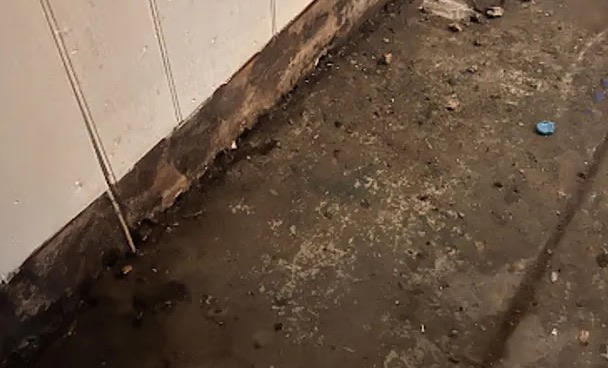
Sewage Cleanup and Extraction in Reading
Sewage Water Extraction is the removal of sewage and the water mixed with it from a home or business, followed by cleaning, disinfection and drying.
Sewage water extraction is available in Reading and nearby Wyoming, Deer Park and Sharonville. The pros handle toilet overflows, floor drain backups and main line backups in homes and businesses.
Sewage Extraction and Sanitizing in Reading
Sewage Damage Sanitization
Floors, walls, cabinets and fixtures touched by sewage are cleaned with detergent first, then treated with a registered disinfectant.
Contaminated Flooring Removal
Once contaminated flooring is out, the subfloor or slab is scrubbed, treated and dried before new flooring is installed.
Sewage Odor Removal
A smell that comes back after cleanup usually means sewage is still in a wall cavity, under flooring or in a drain trap that dried out.
Black Water Extraction
Black water carries bacteria and viruses, so the pros extract it fully and treat every wet surface instead of just drying it.
Emergency Sewage Pump Out
Deep sewage water is removed first with trash pumps that can handle solids, so extractors can reach the floor.
Signs of a Sewage Backup in Reading
Toilet Overflow That Will Not Stop
A toilet that overflows again after plunging, or overflows when another fixture drains, points to a blockage beyond the toilet.
Toilet Water Level Changes
A toilet bowl that rises, drops or bubbles by itself can mean pressure in the drain line from a partial blockage.
Wet Drywall Near Bathrooms
Damp, stained or soft drywall next to a bathroom or laundry can mean a leaking drain inside the wall.
Gurgling Toilets and Drains
Toilets and drains that gurgle or bubble when water runs elsewhere point to a blockage pushing air back up the pipes.
How Sewage Water Extraction Works in Reading
Step 1: Stop the Backup
Water use in the house is stopped and the blockage is cleared or isolated so no more sewage comes up the drains.
Step 2: Black Water Extraction
Sewage is pumped and extracted from floors and fixtures, and solids are removed for proper disposal.
Step 3: Remove Contaminated Materials
Carpet, pad, drywall, insulation and baseboards touched by sewage are cut out and bagged.
Step 4: Clean, Disinfect and Dry
Floors, studs and fixtures are cleaned and treated with disinfectant, then dried with air movers and dehumidifiers.
Sources of Sewage Water Damage in Reading
Grease Buildup
Cooking grease poured down drains hardens inside pipes, narrows them and leads to backups at the lowest fixture.
Heavy Storm Runoff
Storm water that gets into sewer lines through cracks or illegal connections can overwhelm them and cause backups.
Flushed Wipes and Debris
Wipes, paper towels and hygiene products do not break down like toilet paper and form clogs in the main line.
Overloaded City Sewer
Heavy rain can overload combined or aging city sewers, and the excess pushes back through basement and floor drains.
Sewage Water Extraction for Homes and Businesses in Reading
Residential Sewage Water Extraction
In homes, sewage usually comes up through the lowest drain. The pros remove soaked carpet and drywall, disinfect the floor and walls and dry the rooms, with photos for your claim.
Commercial Sewage Water Extraction
For businesses, the pros pump out the sewage, close off the area from customers and staff, and clean and dry floors before the space reopens.
Why DIY Sewage Cleanup Is Risky in Reading
Stop using water in the house: no flushing, showers, laundry or dishwasher. Every drop sent down the drain can come back up as sewage in the lowest fixture.
What Drives Sewage Water Extraction Cost in Reading
Clearing the sewer line is a plumbing cost separate from extraction and cleanup. The pros price the water removal, cleaning and drying.
Rooms Affected
Each room the sewage reached needs extraction, material removal, disinfection and drying, which adds labor and equipment.
Materials Removed
Carpet, pad, drywall, insulation and cabinets touched by sewage are removed and disposed of, which adds to the cost.
Time Before Cleanup
Sewage that sat for a day or more soaks deeper and leaves stronger odor, so more material comes out and drying takes longer.
Does Insurance Cover Sewage Water Extraction?
If you have backup coverage, it may pay for extraction, cleanup and replacement of damaged materials up to a limit. Your insurer decides what is covered.
What Local Pros Bring to a Sewage Backup
Protective Gear and Containment
The pros work in protective gear and close off the area so sewage is not spread to clean rooms during cleanup.
Odor Removed at the Source
Removing soaked materials and treating the surfaces underneath deals with the cause of the smell, not just the air.
Homes and Businesses
The same cleanup steps apply to houses, condos, restaurants and offices, scaled to the size of the backup.
Around-the-Clock Sewage Water Extraction in Reading
If a toilet or floor drain is overflowing with sewage right now, shut off water use in the house and call (513) 854-7491. Help is available day and night.
Call Now (513) 854-7491Sewage Water Extraction Service Area Around Reading
From Reading to Wyoming, Deer Park and Sharonville, sewage cleanup follows the same steps: extract, remove soaked materials, disinfect and dry.
Sewage Water Extraction FAQ for Reading Homeowners
Does homeowners insurance cover sewage backups?
Many policies cover them only with a sewer or water backup endorsement. Check your policy and talk to your insurer about the claim.
What causes sewage to back up into a house?
Common causes are tree roots in the sewer line, grease and wipes in the pipes, a collapsed pipe and city sewers overloaded by heavy rain.
What is sewage water extraction?
It is the removal of sewage and dirty water from a building, followed by removing soaked materials, cleaning, disinfecting and drying.
Can belongings be saved after a sewage backup?
Hard, non-porous items such as metal and plastic can often be cleaned and disinfected. Soft items like mattresses and upholstered furniture usually cannot.
Will the sewage smell go away?
Yes, once soaked materials are removed and surfaces are cleaned and disinfected. Air scrubbers remove what lingers in the air.