Cincinnati, OH · Hamilton County
Structural Drying Services in Cincinnati, OHWater Damaged Floor Removal & Flooded Room Drying
Structural Drying Services in Cincinnati include water damaged floor removal, emergency burst pipe cleanup, and commercial building drying.
Answered 24/7
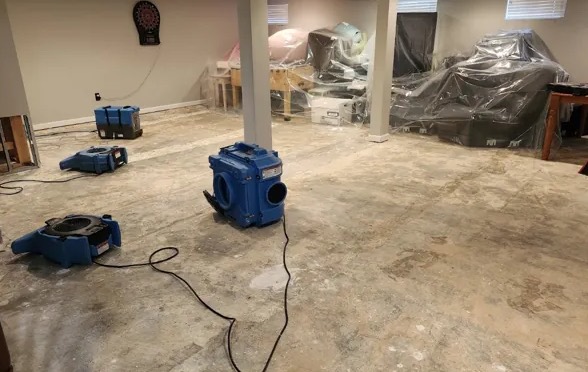
Structural Drying Services for Cincinnati Residents
In Cincinnati, getting standing water out fast is the first defense. The less time drywall, hardwood and framing stay wet, the more of them can be saved.
In Cincinnati and nearby Covington, Newport and Fort Mitchell, water damage happens year-round. Water damage pros extract the water and dry homes and commercial buildings with professional equipment.
Structural Drying Services Offered in Cincinnati
Water Damaged Floor Removal
When water seeps under flooring, removal may be required. Sections of finished flooring are taken up to reach and dry the structural subfloor, a step that helps halt rot and mold growth.
Flooded Room Drying
Drying a flooded room means drying the air and the materials. Pros lower the humidity and pull moisture out of carpet, drywall and furniture, including dampness you cannot see.
Ceiling Water Damage Cleanup
Ceiling damage from leaks requires specific cleanup. Access points may be created to ventilate and dry the cavity, preventing sagging or mold in the ceiling structure.
Commercial Building Drying
Water damage in a commercial building affects large areas and complex building systems. The pros scale their equipment and methods for commercial building drying in Cincinnati.
Wall Cavity Drying
Wall cavities stay wet after the surface feels dry. Pros map the moisture, then blow dry air into the cavity until it is dry.
Warning Signs You Need Structural Drying Services
Cold Damp Spots on Walls
Cold spots on an inside wall can mean the insulation behind it is wet.
High Humidity Readings
A moisture meter reading well above normal in drywall or wood means the material is still wet inside.
Buckling Hardwood Floorboards
Wood planks that cup or buckle have absorbed a lot of water from below.
Sagging Ceiling Materials
Sagging ceiling drywall or tiles are holding water and can fall. Keep people out from under them.
How Structural Drying Services Work in Cincinnati
Step 1: Water Mitigation
The pros start with mitigation, removing water to prevent further damage and prepare the area for structural drying services.
Step 2: Installation of Drying Systems
A customized array of drying systems, including dehumidifiers and air movers, is installed to begin the property drying process.
Step 3: Continuous Drying and Monitoring
The systems run continuously while the pros monitor progress, adjusting equipment to optimize the structural drying.
Step 4: Restoration Readiness Confirmation
Once drying goals are met, pros confirm the area is ready for any necessary repairs, completing the flood drying service.
Common Causes for Structural Drying in Cincinnati
HVAC System Condensation
Clogged drain pans or faulty condensate lines on air handlers keep nearby areas damp.
Fire Suppression System Discharge
An accidental fire sprinkler discharge can soak an entire commercial space in a short time.
Severe Weather Flooding
Heavy rain and overland flooding can push water into a building through doors and low walls.
Window or Door Seal Failure
Failed window and door seals let wind-driven rain into the walls during storms.
Structural Drying Services for All Property Types in Cincinnati
Residential Structural Drying Services
When a ceiling leaks in a home, the pros extract the water and set up drying for the ceiling, wall cavities and insulation so mold does not start.
Commercial Structural Drying Services
In large commercial spaces, the experts dry floors, subfloors and wall cavities after a flood, using equipment sized for the space.
Structural Drying Services vs. DIY: When to Call Moisture Remediation Pros
Wiping down hard, non-porous surfaces like countertops or tile can help reduce immediate moisture after a small incident. For water affecting porous materials like drywall, wood, or insulation, structural drying services from the pros are necessary to properly extract moisture and dry the structure.
Understanding Structural Drying Services Costs in Cincinnati
Cost factors for water damage drying include the type of materials affected, such as drywall or subfloor, and the required dehumidification equipment runtime.
Extent of Damage
The size of the affected area and depth of water penetration into materials like drywall or subfloor dictate resource needs.
Contamination Level
Clean water from a supply line is simpler to address than contaminated flood water, which alters safety and drying procedures.
Commercial vs Residential
Commercial jobs are larger, need more equipment and may need work after hours, which changes the cost.
Does Insurance Cover Structural Drying Services?
Insurance coverage for water damage drying depends on the source and cause listed in your policy. A standard policy may cover emergency drying services from a sudden leak, but gradual damage or maintenance issues are typically excluded.
Selecting Local Pros for Structural Drying Services in Cincinnati, Ohio
Advanced Moisture Detection
Moisture meters and infrared cameras find water inside walls and floors that you cannot see.
Containment and Safety
Setting up containment barriers helps protect unaffected areas of your home or business during the water removal and drying work.
Documentation for Claims
Detailed documentation of moisture levels and damage provides clear evidence to support your communication with your insurance company.
Emergency Structural Drying Services Available in Cincinnati
Do not wait for business hours when water is spreading. For burst pipe cleanup or flood drying in Cincinnati, call (513) 854-7491 24/7.
Call Now (513) 854-7491Structural Drying Services Near Cincinnati: Areas Served
Emergency drying is available for homes and businesses in Cincinnati and nearby places like Covington, Newport and Fort Mitchell.
FAQs on Structural Drying Services for Cincinnati Properties
What is involved in the structural drying process?
The process begins with water extraction, followed by moisture mapping to assess damage, then targeted drying with air movers and dehumidifiers to restore dry conditions.
What are the signs that professional flood drying is needed?
Standing water, wet materials over a large area, a musty smell or damp walls and floors all mean the structure needs drying.
Can wet drywall be saved, or does it always require removal?
It depends on the saturation level and contamination. Moderately wet, clean drywall may dry, but heavily saturated or contaminated panels often require wet drywall removal.
How is property drying monitored for progress?
Progress is tracked with regular moisture readings using meters, comparing them to established dry standards to determine when the drying goals are met.
What is moisture mapping during structural drying services?
Moisture mapping uses sensors and cameras to create a detailed map of moisture levels within materials, guiding the drying strategy for hidden areas like wall cavities.