Williamsburg, OH · Clermont County
Subfloor Water Damage Repair in Williamsburg, OHEmergency Subfloor Water Removal & Wet Subfloor Drying
Subfloor Water Damage Repair in Williamsburg includes emergency subfloor water removal and subfloor flood damage cleanup to prevent structural issues.
Answered 24/7
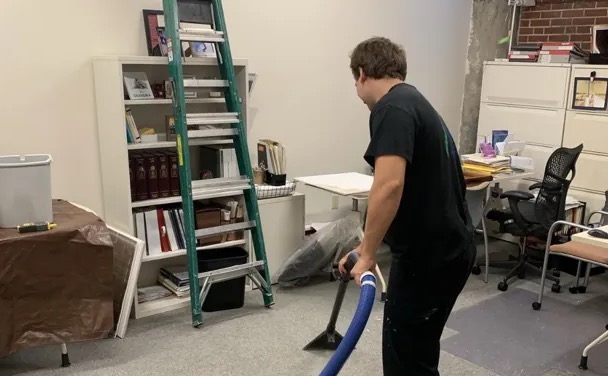
Subfloor Water Damage Repair Experts Serving Williamsburg
In Williamsburg, a wet subfloor can rot, grow mold and warp the floor above. Pros stop the leak first, then extract the standing water.
In Williamsburg, plumbing leaks and spills often soak the subfloor. Pros in Williamsburg and nearby Bethel, Batavia and Amelia extract the water and dry it to industry standards.
Common Subfloor Water Damage Repair Processes
Emergency Subfloor Water Removal
For emergencies in the village of Williamsburg, subfloor water removal makes a significant difference. Professionals understand that water under a floor can quickly affect a wide area.
Wet Subfloor Drying
Professional wet subfloor drying uses industrial air movers and dehumidifiers. This equipment creates airflow to pull moisture from wood and concrete, returning materials to a dry standard measured with moisture meters.
Subfloor Moisture Inspection
Inspecting for moisture reveals the true damage area. Specialists take systematic readings to identify all affected zones.
Water Damaged Subfloor Repair
In Williamsburg, damaged subfloor panels are replaced after drying, with new panels spaced and fastened correctly.
Subfloor Flood Damage Cleanup
After a flood, pros remove the standing water under the floor, then dry and sanitize every affected material.
Warning Signs You Need Subfloor Water Damage Repair
Staining on Ceiling Below
Water stains or drips on the ceiling of a room directly underneath point to a subfloor leak above.
Musty Odors in Room
A lingering earthy or moldy smell often signals hidden subfloor water damage and potential mold underneath.
Wet Spots on Flooring
If you notice persistent damp spots on your floor surface, that could indicate water trapped below in the subfloor layer.
Flooring Warping or Cupping
When wood planks or laminate boards buckle, swell, or cup, it's a clear sign of subfloor moisture problems.
How Subfloor Water Damage Repair Works in Williamsburg
Step 1: Subfloor Flood Damage Cleanup
Initial action is bulk water removal from a flooded subfloor cavity. Restoration professionals perform subfloor flood damage cleanup, extracting water to reduce weight and structural stress on the building.
Step 2: Strategic Subfloor Drying
Engineered drying systems are deployed to address the specific subfloor type. This wet subfloor drying phase uses calculated air patterns and humidity control to achieve drying goals.
Step 3: Water Damaged Subfloor Repair
Damaged sections of the subfloor are carefully removed and replaced. The water damaged subfloor repair process integrates new, dry materials that match the original structure's strength and specifications.
Step 4: Final Verification & Documentation
Post-repair, moisture readings confirm the subfloor is dry. The pros document the entire process with photos and data for your records and any potential insurance claim review.
Sources of Water Under Your Floor
Sink or Tub Drain Leakage
Leaky drain assemblies or supply connections under sinks and tubs can drip directly through finish materials to the subfloor.
Flooding From Upstairs Sources
An overflow from an upstairs bathroom, laundry, or kitchen can flood down through ceilings and walls, soaking lower subfloors.
Ice Maker Line Breaks
A ruptured flexible supply line to a refrigerator ice maker can spray water that flows under adjacent cabinets and flooring.
Window or Door Seal Failure
Improperly sealed windows or doors allow wind-driven rain to enter and flow down to the subfloor level.
Subfloor Water Damage Repair for Homes and Businesses
Residential Subfloor Water Damage Repair
At home, subfloor water damage often hides under carpet or vinyl and causes odors. Pros reach the trapped moisture with drying equipment and sanitize the wood.
Commercial Subfloor Water Damage Repair
For commercial buildings, persistent subfloor moisture can damage inventory and electrical systems. Subfloor flood repair specialists prioritize early action to extract standing water.
Professional Subfloor Water Damage Repair or DIY Repair?
If you discover a minor, fresh spill on a sealed floor, you can safely wipe it up immediately with towels. For any moisture that may have seeped through seams, use a wet-dry vacuum on the surface. However, if the floor feels soft or you suspect water has penetrated, stop and call the pros for a professional assessment to prevent hidden damage.
Subfloor Water Damage Repair Cost in Williamsburg, OH
The final cost for subfloor water damage repair in Williamsburg is determined after a thorough assessment of the moisture levels and structural integrity.
Extent of Damage
The square footage of the affected subfloor and depth of saturation are measured to determine the scope of water extraction and drying services needed for repair.
Drying Duration
The time needed for subfloor moisture removal using professional drying equipment directly correlates to the operational costs for the professionals.
Mold Prevention
If subfloor mold prevention measures, like antimicrobial treatments, are necessary following water extraction, this adds a step to the overall restoration protocol.
Does Insurance Cover Subfloor Water Damage Repair?
For subfloor flood damage cleanup, flood insurance is typically a separate policy from standard homeowners insurance. You should confirm your coverage type with your insurer, as the specialists can provide documentation for the claim process.
Benefits of Hiring Local Experts in Williamsburg
Advanced Drying Equipment
High-capacity dehumidifiers and air movers dry the subfloor fully and help prevent mold.
Controlled Demolition When Needed
If required, careful removal of damaged subfloor sections is performed to preserve surrounding materials and facilitate an efficient repair.
Mold Prevention Focus
Proactive subfloor mold prevention techniques are applied after water extraction to inhibit mold within the repaired subfloor structure.
Round-the-Clock Subfloor Water Damage Repair Assistance
For water under the floors in Williamsburg, call (513) 854-7491. Removing it quickly limits damage, odor and mold in the subfloor.
Call Now (513) 854-7491Locations for Subfloor Water Damage Repair
In Williamsburg and nearby Bethel, Batavia and Amelia, pros extract water from under floors and dry the structure, including emergency subfloor water removal.
- Subfloor Water Damage Repair in Bethel
- Subfloor Water Damage Repair in Batavia
- Subfloor Water Damage Repair in Amelia
- Subfloor Water Damage Repair in Withamsville
- Subfloor Water Damage Repair in Goshen
- Subfloor Water Damage Repair in Milford
- Subfloor Water Damage Repair in New Richmond
- Subfloor Water Damage Repair in Cherry Grove
- Emergency Damage Restoration in 45176
- Storm Damage Restoration in 45176
- Water Damage Restoration in 45176
- Water Extraction Service in 45176
- Water Leak Detection in 45176
- Water Removal Service in 45176
Subfloor Water Damage Repair Information and Answers
Are different subfloor materials treated the same way?
No, drying protocols differ for wood-based subfloors versus concrete slabs; professionals adjust equipment settings and drying times based on the specific material involved.
How long does wet subfloor drying typically take?
Drying duration depends on material type, saturation level, and environmental conditions, often ranging from several days to a week with industrial equipment monitoring.
What is involved in subfloor water extraction?
The process uses pumps and extractors to remove standing water from beneath the flooring, followed by assessment for residual moisture to guide the next drying steps.
Can a water damaged subfloor be repaired without replacement?
If drying works and the structure is sound, repair is possible; severe swelling or rot usually means replacing part or all of the subfloor.
What tools are used for subfloor moisture inspection?
The pros use moisture meters, hygrometers, and sometimes thermal imaging cameras to detect hidden wetness and verify dryness after the subfloor drying process.