Hamilton, OH · Butler County
Temperature-Controlled Drying in Hamilton, OHClimate-Controlled Drying Systems & Moisture Mapping
Temperature-Controlled Drying in Hamilton includes thermal drying for water damage, rapid structural drying services, and humidity control for restoration managed by local drying equipment pros.
Answered 24/7
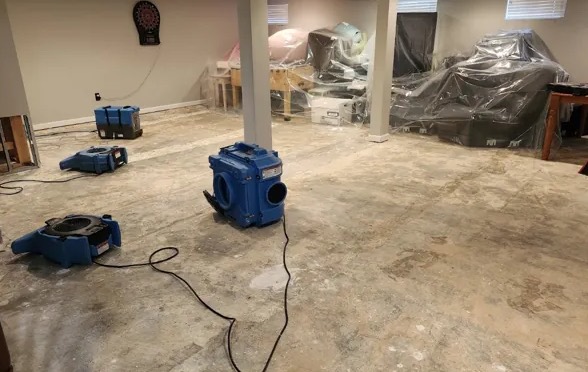
Targeted Temperature-Controlled Drying for Properties in Hamilton
In Hamilton, moisture that dries unevenly can warp materials and leave hidden mold. Local pros control heat and airflow so drying is even and does not cause more damage.
In Hamilton and nearby Fairfield, Trenton and Forest Park, local pros map moisture in walls and subfloors, then fit thermal drying and humidity control to the materials in the building.
Advanced Temperature-Controlled Drying Techniques in Hamilton
Climate-Controlled Drying Systems
Dehumidifiers and air movers keep the air in a contained space warm and dry, so moisture moves out of materials faster.
Moisture Mapping
Moisture mapping uses penetrating and non-penetrating meters to document water migration. This creates a blueprint of wet areas, including hidden moisture behind walls.
Water Damage Drying Logs
The pros compile drying logs with moisture maps, photos, and readings. This report documents the system's performance and the materials' response, demonstrating a professional approach.
Thermal Drying for Water Damage
The pros raise the room temperature in a controlled way to drive moisture out of dense materials like concrete slabs and beams, watching readings the whole time.
Humidity Control for Restoration
The pros size dehumidifiers from the moisture map, then pair them with air movers to carry moisture away from materials.
Symptoms Needing Temperature-Controlled Drying in Hamilton
Visible Mold Growth in Corners
Black, green or white specks in damp corners or on baseboards are usually mold, which means moisture has been there a while.
Cracking of Plaster or Joints
Plaster or drywall joint tape develops new cracks or fissures. These cracks occur as wet materials swell and then contract during drying.
Equipment Running With No Result
Fans or dehumidifiers that run for days without drying the area mean the moisture is deeper than household equipment can reach.
Damp Odors Persisting After Water
A musty smell lingers even after visible water is gone, indicating hidden moisture. That odor often signals mold or trapped dampness.
How Temperature-Controlled Drying Works in Hamilton
Step 1: Assessment and Moisture Detection
The pros perform a thorough assessment using thermal imaging and moisture meters. This identifies the full extent of damage, guiding the drying plan.
Step 2: Containment and Airflow Strategy
Plastic barriers close off the wet area so humidity can be controlled, and air movers are placed to move air across wet materials.
Step 3: Thermal Drying System Activation
Specialized thermal drying equipment is activated to gently raise the air temperature in the space.
Step 4: Verification and Structural Drying Completion
Readings are compared with dry areas of the building to confirm drying is complete.
Sources of Water Intrusion Needing Moisture Removal in Hamilton
Storm-Driven Water Intrusion
Heavy rain overflows gutters or gets in around windows and soaks framing and insulation.
HVAC System Condensation Issues
A clogged condensate drain line causes an overflow inside the air handler. This water can soak insulation and ductwork, creating a hidden moisture issue.
Roof Leak During Heavy Rain
Wind-driven rain through a damaged roof or flashing can run down inside wall cavities, where it needs targeted drying.
Undetected Plumbing Leaks
A slow drip behind a wall or under a slab saturates materials over time.
Residential and Commercial Drying in Hamilton, OH
Residential Temperature-Controlled Drying
In condos and apartments, containment barriers and negative air machines keep moisture from moving into neighboring units while drying runs.
Commercial Temperature-Controlled Drying
Restaurants and food service businesses need rapid, sanitary drying to comply with health regulations after a water event. The pros use specialized equipment and antimicrobial treatments during the drying process.
Temperature-Controlled Drying vs. DIY Drying in Hamilton
A home's HVAC on 'fan only' mode can circulate air, but it is not a substitute for professional drying. A wet-dry vacuum can remove standing water from a very localized incident.
Factors in Temperature-Controlled Drying Pricing for Hamilton, OH
In Hamilton, cost depends on how complex the moisture mapping is and how much equipment the area needs.
Access and Logistics
Challenging site access in Hamilton can complicate equipment deployment and placement, potentially increasing setup time and labor requirements.
Documentation Requirements
Detailed drying logs and moisture reports for insurance take extra time to prepare.
Moisture Mapping Complexity
Checking moisture in layered floors or hidden cavities takes more time and equipment.
Does Insurance Cover Temperature-Controlled Drying?
Coverage is not automatic and depends on your policy. The pros provide humidity readings and equipment logs for your claim file. Your insurer decides what is covered.
Advantages of Hiring Drying Equipment Pros in Hamilton for Temperature-Controlled Drying
Targeted Thermal Drying
Applying directed heat energy safely accelerates the drying of dense materials, reducing the overall timeline for the restoration project.
IICRC-Standard Drying Methods
Drying follows industry guidelines and is checked with meters, which keeps framing and floors from staying wet.
Advanced Moisture Mapping
Moisture meters and thermal cameras find hidden wet pockets so every affected material is dried.
Emergency Moisture Control in Hamilton
Wet walls and floors keep getting worse until they are dried. Call the pros at (513) 854-7491 to set up drying equipment.
Call Now (513) 854-7491Temperature-Controlled Drying Serving Hamilton and Nearby Areas
Climate-controlled and thermal drying are available in Hamilton and surrounding places including Fairfield, Trenton and Forest Park.
- Temperature-Controlled Drying in Fairfield
- Temperature-Controlled Drying in Trenton
- Temperature-Controlled Drying in Forest Park
- Temperature-Controlled Drying in Springdale
- Temperature-Controlled Drying in West Chester Township
- Temperature-Controlled Drying in Colerain Township
- Temperature-Controlled Drying in Northgate
- Temperature-Controlled Drying in Northbrook
- Emergency Damage Restoration in 45011
- Storm Damage Restoration in 45011
- Water Damage Restoration in 45011
- Water Extraction Service in 45011
- Water Leak Detection in 45011
- Water Removal Service in 45011
- Emergency Damage Restoration in 45012
- Storm Damage Restoration in 45012
Common Temperature-Controlled Drying Questions Answered
What are water damage drying logs used for?
Drying logs are detailed records of moisture readings, equipment settings, and progress; they provide documentation for the restoration process and are often required for insurance claims.
How is drying progress verified during moisture monitoring?
Progress is verified by taking comparative moisture readings with penetrating and non-penetrating meters over time, ensuring levels drop to established dry standards for each material.
What is the difference between air movers and dehumidifiers?
Air movers evaporate moisture from surfaces into the air, and dehumidifiers pull it back out of the air.
Can temperature-controlled drying prevent mold growth?
By rapidly removing moisture and controlling humidity, the process creates an environment where mold cannot thrive, significantly reducing the potential for mold.
What does drying equipment deployment involve?
Pros assess the loss, calculate how much equipment is needed and place air movers, dehumidifiers and sometimes heaters.