Indian Hill, OH · Hamilton County
Temperature-Controlled Drying in Indian Hill, OHRapid Structural Drying Services & Drying Equipment Deployment
Temperature-Controlled Drying in Indian Hill includes moisture mapping, rapid structural drying services and water damage drying logs from local drying equipment pros.
Answered 24/7
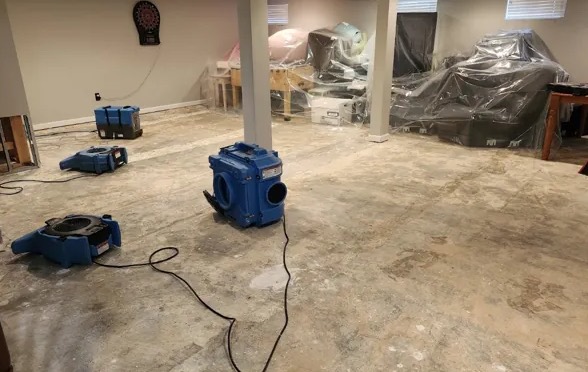
Local Temperature-Controlled Drying Solutions for Indian Hill Homes
In Indian Hill, materials dry at different rates. Local pros map moisture content so each material gets the drying it needs.
In Indian Hill and nearby Madeira, Kenwood and Milford, local pros take baseline moisture readings, then run air movers and dehumidifiers and log moisture levels as they drop.
Specialized Temperature-Controlled Drying Offerings in Indian Hill, OH
Rapid Structural Drying Services
Fast structural drying uses high-velocity air movers, industrial dehumidifiers and sometimes heat, so families in Indian Hill can return home sooner and mold does not start.
Drying Equipment Deployment
Pros set up drying machines with safe power, condensate drainage and placement based on the moisture map.
Air Mover Placement for Drying
The pros angle and space air movers in each room in Indian Hill so air flows evenly across every wet surface.
Water Damage Drying Logs
Key data like psychrometric readings and material moisture content are meticulously recorded. These logs show a clear trend toward dryness, confirming the job's success.
Humidity Control for Restoration
Dehumidifiers lower the dew point in the affected area, so materials give up their moisture more easily.
Signs You Need Professional Temperature-Controlled Drying in Indian Hill
High Humidity Readings Inside
A hygrometer showing unusually high indoor humidity after water damage means the building is still wet.
Damp Odors Persisting After Water
A musty smell lingers even after visible water is gone, indicating hidden moisture. That odor often signals mold or trapped dampness.
Visible Mold Growth in Corners
Black, green or white specks in damp corners or on baseboards are usually mold, which means moisture has been there a while.
Paint Peeling or Bubbling Up
Paint loses adhesion and forms bubbles or peels away from the wall. This failure is caused by moisture trapped beneath the paint film.
How Temperature-Controlled Drying Works in Indian Hill
Step 1: Site Evaluation and Equipment Planning
The pros evaluate the site to determine the type and quantity of drying tools needed.
Step 2: Drying Equipment Setup
Industrial air movers and dehumidifiers are set up in the affected zones right away.
Step 3: Controlled Humidity Management
Dehumidifiers pull moist air out of the room, which keeps the air dry enough for materials to keep drying.
Step 4: Progress Tracking With Drying Logs
Temperature, humidity and moisture readings are recorded each day in a drying log.
Causes of Persistent Dampness Requiring Controlled Drying in Indian Hill
Undetected Plumbing Leaks
A slow drip behind a wall or under a slab saturates materials over time.
Poor Ventilation After a Flood
Closing up a wet room traps humid air, which slows drying and lets moisture soak further into materials.
Appliance Malfunction or Overflow
A failed washing machine hose, water heater or dishwasher can release many gallons onto the floor.
Inadequate Initial Water Extraction
Water left behind after a leak or flood moves into subfloors and walls, where it is harder to dry.
Residential & Commercial Temperature-Controlled Drying in Indian Hill
Residential Temperature-Controlled Drying
Residential restoration focuses on saving personal items and preventing long-term odors in living areas and bedrooms. The specialists employ thermal drying for water damage to gently yet effectively dry contents and building materials.
Commercial Temperature-Controlled Drying
In commercial settings, uncontrolled humidity can damage sensitive electronics, documents, and finished goods. The pros implement humidity control for restoration to create optimal drying conditions for diverse materials.
When to Hire Drying Equipment Pros for Temperature-Controlled Drying in Indian Hill
Letting a room air dry for days risks mold and lets moisture wick into nearby materials. Air movers and dehumidifiers dry it in a fraction of the time.
Investing in Professional Temperature-Controlled Drying in Indian Hill
In Indian Hill, the cost depends on how much drying equipment is used and how long it runs, plus the moisture readings taken along the way.
Humidity Control Measures
Controlling humidity in tight spaces often takes specialized drying equipment and frequent adjustments.
Equipment Needs
The number and type of air movers, dehumidifiers and heaters used affect the cost.
Moisture Mapping Complexity
Checking moisture in layered floors or hidden cavities takes more time and equipment.
Does Insurance Cover Temperature-Controlled Drying?
Many homeowner policies cover temperature-controlled drying when it stems from a sudden, covered peril like a burst pipe. The pros document all damage with photos and moisture readings for your claim submission.
Advantages of Hiring Local Pros in Indian Hill for Temperature-Controlled Drying
Targeted Thermal Drying
Applying directed heat energy safely accelerates the drying of dense materials, reducing the overall timeline for the restoration project.
Climate-Controlled Drying Systems
Heat and humidity are kept at set levels so materials dry faster without cracking or warping.
Ongoing Moisture Monitoring
Regular checks with moisture meters verify that drying goals are met, helping ensure no residual dampness remains within walls or floors.
24/7 Temperature-Controlled Drying for Emergencies in Indian Hill
For temperature-controlled drying after a leak or flood, call (513) 854-7491 any time. The pros can then start drying the structure.
Call Now (513) 854-7491Temperature-Controlled Drying Serving Indian Hill and Nearby Areas
The pros dry structures and control humidity in Indian Hill and communities such as Madeira, Kenwood and Milford.
- Temperature-Controlled Drying in Madeira
- Temperature-Controlled Drying in Kenwood
- Temperature-Controlled Drying in Milford
- Temperature-Controlled Drying in Montgomery
- Temperature-Controlled Drying in Deer Park
- Temperature-Controlled Drying in Blue Ash
- Temperature-Controlled Drying in Dry Run
- Temperature-Controlled Drying in Mount Carmel
- Emergency Damage Restoration in 45243
- Storm Damage Restoration in 45243
- Water Damage Restoration in 45243
- Water Extraction Service in 45243
- Water Leak Detection in 45243
- Water Removal Service in 45243
Common Temperature-Controlled Drying Questions Answered
What does drying equipment deployment involve?
Pros assess the loss, calculate how much equipment is needed and place air movers, dehumidifiers and sometimes heaters.
What should a property owner do while waiting for help with drying?
If safe, remove obvious standing water with a mop or towels, move dry contents away from the wet area, and avoid using household fans which can spread contaminants.
How is drying progress verified during moisture monitoring?
Progress is verified by taking comparative moisture readings with penetrating and non-penetrating meters over time, ensuring levels drop to established dry standards for each material.
What is temperature-controlled drying?
It is a drying method that controls heat and humidity together to remove moisture from building materials and contents safely and quickly.
What is the strategy behind air mover placement?
They are angled to move air across wet surfaces in a pattern, so moisture evaporates into the air where dehumidifiers can capture it.