Union, KY · Boone County
Temperature-Controlled Drying in Union, KYRapid Structural Drying Services & Drying Equipment Deployment
Temperature-Controlled Drying in Union by local temperature-controlled drying specialists addresses thermal drying for water damage, climate-controlled drying systems, and moisture mapping to restore property.
Answered 24/7
Expert Temperature-Controlled Drying Services in Union, Kentucky
In Union, water spreads quickly through wood and concrete. Local pros use controlled heat to drive moisture out of those materials faster.
In Union and nearby Florence, Burlington and Elsmere, local pros map moisture in walls and subfloors, then fit thermal drying and humidity control to the materials in the building.
Temperature-Controlled Drying Methods Available in Union
Rapid Structural Drying Services
Rapid drying mitigates risk of long-term weaknesses or rot in wooden structures. Local temperature-controlled drying specialists use specialized techniques like injecting dry air into wall cavities.
Drying Equipment Deployment
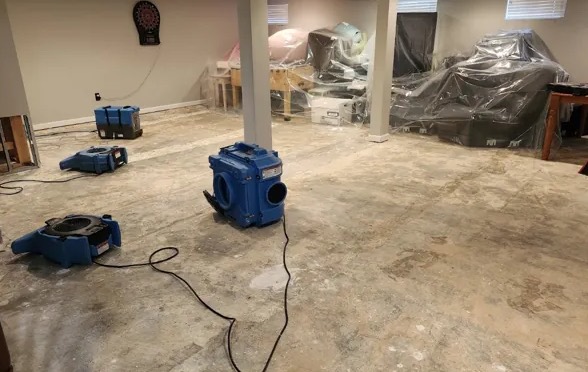
Pros set up drying machines with safe power, condensate drainage and placement based on the moisture map.
Air Mover Placement for Drying
The specialists angle and space air movers in each room in Union so air flows evenly across every wet surface.
Climate-Controlled Drying Systems
The specialists set up systems that control temperature, humidity and airflow together, adjusting them as moisture readings change.
Humidity Control for Restoration
The specialists size dehumidifiers from the moisture map, then pair them with air movers to carry moisture away from materials.
Signs You Need Professional Temperature-Controlled Drying in Union
Warping of Wood Floors or Trim
Floorboards begin to cup, buckle, or separate at the seams. This warping is a direct result of excessive, uneven moisture content.
Cold, Damp Feeling in a Room
A room feels noticeably colder and damper than the rest of the house. This sensation is often due to evaporative cooling from wet materials.
High Humidity Readings Inside
A hygrometer showing unusually high indoor humidity after water damage means the building is still wet.
Discoloration on Drywall or Ceilings
Yellow or brown water stains appear on surfaces that seem dry. These stains suggest moisture is still present inside the wall cavity.
How Temperature-Controlled Drying Works in Union
Step 1: Site Evaluation and Equipment Planning
The pros evaluate the site to determine the type and quantity of drying tools needed.
Step 2: Drying Equipment Setup
Industrial air movers and dehumidifiers are set up in the affected zones right away.
Step 3: Controlled Humidity Management
Dehumidifiers pull moist air out of the room, which keeps the air dry enough for materials to keep drying.
Step 4: Progress Tracking With Drying Logs
Temperature, humidity and moisture readings are recorded each day in a drying log.
What Leads to Needing Temperature-Controlled Drying in Union
Storm-Driven Water Intrusion
Heavy rain overflows gutters or gets in around windows and soaks framing and insulation.
Poor Ventilation After a Flood
Closing up a wet room traps humid air, which slows drying and lets moisture soak further into materials.
Roof Leak During Heavy Rain
Wind-driven rain through a damaged roof or flashing can run down inside wall cavities, where it needs targeted drying.
Appliance Malfunction or Overflow
A failed washing machine hose, water heater or dishwasher can release many gallons onto the floor.
Whole-Property Temperature-Controlled Drying in Union
Residential Temperature-Controlled Drying
Homeowners benefit from structural drying that prevents mold and preserves structural elements like wood framing and drywall. The experts set up targeted drying arrays to address specific home layouts and materials.
Commercial Temperature-Controlled Drying
For commercial properties, pros run industrial dehumidifiers and air movers to control humidity in large spaces and monitor moisture until the building is dry.
Professional Temperature-Controlled Drying vs. Do-It-Yourself in Union
Photograph all affected areas and items for insurance and move undamaged belongings to a dry room. Drying the structure takes industrial equipment that DIY gear cannot replace.
Investing in Professional Temperature-Controlled Drying in Union
The specialists in Union base cost on the extent of the water damage, the humidity control needed and how long monitoring runs.
Moisture Mapping Complexity
Checking moisture in layered floors or hidden cavities takes more time and equipment.
Humidity Control Measures
Controlling humidity in tight spaces often takes specialized drying equipment and frequent adjustments.
Equipment Needs
The number and type of air movers, dehumidifiers and heaters used affect the cost.
Does Insurance Cover Temperature-Controlled Drying?
Insurance may help pay for drying if the cause is a covered loss. Pros provide moisture maps and equipment records for your insurer, which makes the coverage decision.
Why Choose Local Specialists for Temperature-Controlled Drying in Union
Advanced Moisture Mapping
Moisture meters and thermal cameras find hidden wet pockets so every affected material is dried.
Comprehensive Drying Logs
Detailed, chronological logs of moisture readings and equipment settings provide a transparent record of the entire temperature-controlled drying process.
Strategic Equipment Deployment
Air movers and dehumidifiers are placed according to a plan for even airflow and low humidity.
24/7 Emergency Temperature-Controlled Drying in Union
Water damage gets worse quickly as moisture spreads into materials. Call (513) 854-7491 24 hours a day to start drying in Union.
Call Now (513) 854-7491Temperature-Controlled Drying Near Union: Communities Served
The pros provide temperature-controlled drying for Union and adjacent areas such as Florence, Burlington and Elsmere.
- Temperature-Controlled Drying in Florence
- Temperature-Controlled Drying in Burlington
- Temperature-Controlled Drying in Elsmere
- Temperature-Controlled Drying in Walton
- Temperature-Controlled Drying in Erlanger
- Temperature-Controlled Drying in Rising Sun
- Temperature-Controlled Drying in Patriot
- Temperature-Controlled Drying in Francisville
- Emergency Damage Restoration in 41091
- Storm Damage Restoration in 41091
- Water Damage Restoration in 41091
- Water Extraction Service in 41091
- Water Leak Detection in 41091
- Water Removal Service in 41091
Temperature-Controlled Drying FAQs for Union Property Owners
How does thermal drying for water damage work?
Thermal drying applies carefully managed heat to increase the evaporation rate of moisture trapped within materials, accelerating the drying process while monitored to prevent damage.
What happens if hidden moisture is not found during mapping?
Undetected moisture can lead to ongoing deterioration, odor issues, and mold growth inside walls or under floors, underscoring the critical need for thorough initial assessment.
How is drying progress verified during moisture monitoring?
Progress is verified by taking comparative moisture readings with penetrating and non-penetrating meters over time, ensuring levels drop to established dry standards for each material.
What are water damage drying logs used for?
Drying logs are detailed records of moisture readings, equipment settings, and progress; they provide documentation for the restoration process and are often required for insurance claims.
What does drying equipment deployment involve?
Pros assess the loss, calculate how much equipment is needed and place air movers, dehumidifiers and sometimes heaters.