Wyoming, OH · Hamilton County
Temperature-Controlled Drying in Wyoming, OHThermal Drying For Water Damage & Moisture Mapping
In Wyoming, Temperature-Controlled Drying from local drying equipment pros covers climate-controlled drying systems, moisture mapping, and drying equipment deployment to dry a structure effectively.
Answered 24/7
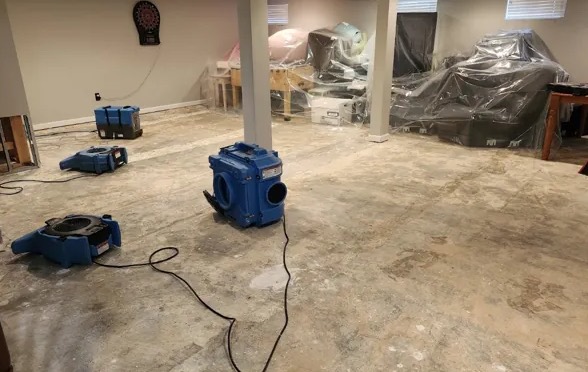
Temperature-Controlled Drying by Local Moisture Control Experts in Wyoming
In Wyoming, water spreads quickly through wood and concrete. Local pros use controlled heat to drive moisture out of those materials faster.
In Wyoming and nearby Reading, Springfield Township and Finneytown, fast structural drying stops mold before it starts. Local pros map moisture, then use LGR dehumidifiers and planned air mover placement until readings are normal.
Advanced Temperature-Controlled Drying Techniques in Wyoming
Thermal Drying for Water Damage
The pros raise the room temperature in a controlled way to drive moisture out of dense materials like concrete slabs and beams, watching readings the whole time.
Moisture Mapping
The pros take moisture readings at many points and depths to map every wet area and set drying goals, so nothing is missed.
Climate-Controlled Drying Systems
Dehumidifiers and air movers keep the air in a contained space warm and dry, so moisture moves out of materials faster.
Rapid Structural Drying Services
Rapid drying mitigates risk of long-term weaknesses or rot in wooden structures. The pros use specialized techniques like injecting dry air into wall cavities.
Humidity Control for Restoration
The pros size dehumidifiers from the moisture map, then pair them with air movers to carry moisture away from materials.
Indicators for Temperature-Controlled Drying in Wyoming Properties
Visible Mold Growth in Corners
Black, green or white specks in damp corners or on baseboards are usually mold, which means moisture has been there a while.
High Humidity Readings Inside
A hygrometer showing unusually high indoor humidity after water damage means the building is still wet.
Soft Drywall or Sagging Ceiling
Drywall feels spongy to the touch or a ceiling sags downward. This softness means the material is saturated and structurally compromised.
Cracking of Plaster or Joints
Plaster or drywall joint tape develops new cracks or fissures. These cracks occur as wet materials swell and then contract during drying.
How Temperature-Controlled Drying Works in Wyoming
Step 1: Detailed Moisture Mapping Inspection
The experts use advanced sensors to map all affected areas, including hidden cavities.
Step 2: Strategic Air Mover Deployment
Based on the map, the pros position high-velocity air movers to create optimal airflow across wet surfaces.
Step 3: Climate-Controlled Drying Implementation
Industrial dehumidifiers are deployed to precisely control temperature and humidity in the contained space.
Step 4: Continuous Moisture Monitoring and Logs
Pros take regular moisture readings to track progress, adjusting equipment as needed. Detailed drying logs document the entire process for your records.
Sources of Water Intrusion Needing Moisture Removal in Wyoming
Poor Ventilation After a Flood
Closing up a wet room traps humid air, which slows drying and lets moisture soak further into materials.
Roof Leak During Heavy Rain
Wind-driven rain through a damaged roof or flashing can run down inside wall cavities, where it needs targeted drying.
Overflowing Sinks or Bathtubs
A simple blockage or forgetfulness leads to an overflow event. Water spreads quickly, soaking cabinetry and flooring, and requires thorough drying equipment deployment.
Appliance Malfunction or Overflow
A failed washing machine hose, water heater or dishwasher can release many gallons onto the floor.
Temperature-Controlled Drying for Homes and Businesses in Wyoming
Residential Temperature-Controlled Drying
Homeowners benefit from structural drying that prevents mold and preserves structural elements like wood framing and drywall. The experts set up targeted drying arrays to address specific home layouts and materials.
Commercial Temperature-Controlled Drying
For commercial properties, pros run industrial dehumidifiers and air movers to control humidity in large spaces and monitor moisture until the building is dry.
Professional Temperature-Controlled Drying vs. Do-It-Yourself in Wyoming
Ventilating the area by opening windows can help if outdoor humidity is lower than indoors, but this is rarely controlled or sufficient. You can create a list of damaged items for a potential insurance claim.
What Affects Temperature-Controlled Drying Cost in Wyoming
In Wyoming, cost depends on how far the moisture spread and how many rooms need drying equipment and monitoring.
Extent of Water Damage
The larger the area that needs drying, the more equipment and labor the job takes.
Drying Time Required
Longer drying periods for climate-controlled systems mean more equipment runtime and monitoring, impacting the overall cost of the restoration project.
Access and Logistics
Challenging site access in Wyoming can complicate equipment deployment and placement, potentially increasing setup time and labor requirements.
Does Insurance Cover Temperature-Controlled Drying?
Humidity control for restoration following a water incident might be considered under the drying portion of a claim. The pros in Wyoming provide precise documentation of the controlled drying systems used and the results achieved.
Selecting Local Pros for Temperature-Controlled Drying in Wyoming
Structural Drying
The focus is on quickly extracting moisture from structural components to minimize warping, swelling, or the potential for mold growth.
IICRC-Standard Drying Methods
Drying follows industry guidelines and is checked with meters, which keeps framing and floors from staying wet.
24/7 Emergency Response
Quick action is critical to limit secondary damage, and the pros are available around the clock to begin the drying process.
24/7 Temperature-Controlled Drying for Emergencies in Wyoming
Wet walls and floors keep getting worse until they are dried. Call the pros at (513) 854-7491 to set up drying equipment.
Call Now (513) 854-7491Local Temperature-Controlled Drying Coverage for Wyoming, Reading, Springfield Township and Finneytown
Controlled drying with detailed drying logs is available in Wyoming, and near Reading, Springfield Township and Finneytown.
- Temperature-Controlled Drying in Reading
- Temperature-Controlled Drying in Springfield Township
- Temperature-Controlled Drying in Finneytown
- Temperature-Controlled Drying in Sharonville
- Temperature-Controlled Drying in Springdale
- Temperature-Controlled Drying in Mount Healthy
- Temperature-Controlled Drying in Deer Park
- Temperature-Controlled Drying in Forest Park
- Emergency Damage Restoration in 45215
- Storm Damage Restoration in 45215
- Water Damage Restoration in 45215
- Water Extraction Service in 45215
- Water Leak Detection in 45215
- Water Removal Service in 45215
- Emergency Damage Restoration in 45216
- Storm Damage Restoration in 45216
Temperature-Controlled Drying Information and FAQs
What is the strategy behind air mover placement?
They are angled to move air across wet surfaces in a pattern, so moisture evaporates into the air where dehumidifiers can capture it.
How long does the temperature-controlled drying process take?
It depends on the damage, the materials and the conditions. Pros monitor readings and stop when moisture goals are met.
Can temperature-controlled drying prevent mold growth?
By rapidly removing moisture and controlling humidity, the process creates an environment where mold cannot thrive, significantly reducing the potential for mold.
When is climate-controlled drying necessary versus regular drying?
Climate-controlled drying is necessary for severe losses, sensitive materials, or when precise environmental control is needed to prevent damage, unlike simple air drying for minor spills.
How is drying progress verified during moisture monitoring?
Progress is verified by taking comparative moisture readings with penetrating and non-penetrating meters over time, ensuring levels drop to established dry standards for each material.