Aurora, IN · Dearborn County
Toilet Overflow Water Removal in Aurora, INMoisture Inspection & Drywall Removal After Toilet Overflow
Toilet Overflow Water Removal in Aurora includes toilet overflow water extraction, black water contamination cleanup, and wet carpet drying.
Answered 24/7
Toilet Overflow Water Extraction in Aurora
In Aurora, carpet soaked by a toilet overflow often has to come out. The pad holds the dirty water and cannot be cleaned.
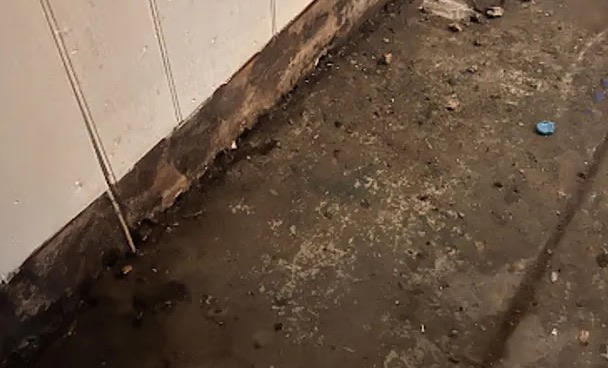
Affected drywall and baseboard repair is often needed after sewage damage cleanup in Aurora. Local water damage pros handle this final restoration step, completing the process that begins with emergency toilet backup cleanup for properties here and in Lawrenceburg, Greendale and Rising Sun.
Toilet Overflow Cleanup Services for Aurora
Moisture Inspection
A professional inspection finds hidden moisture after a toilet flood. Water extraction experts scan with moisture meters to identify damp areas in adjacent rooms and structures, preventing future mold from unseen water.
Drywall Removal After Toilet Overflow
Contaminated drywall removal is standard after a severe toilet overflow. In Aurora, water damage experts carefully remove wet wallboard and trim to allow structural drying and treatment, preparing for eventual repair work.
Wet Carpet Removal
Removing soaked carpeting is a critical step in toilet overflow restoration. Local pros carefully pull up the materials to expose the subfloor, allowing for proper sanitization and preventing prolonged moisture exposure in your home.
Black Water Contamination Cleanup
Category 3 water cleanup demands specialized procedures for safety. The pros meticulously clean and disinfect all hard surfaces exposed to the sewage overflow, using approved antimicrobial solutions.
Sewage Damage Sanitization
Sanitizing after a toilet overflow addresses invisible biological hazards. The experts in Aurora use EPA,registered agents to treat walls, floors, and cabinets, aiming to kill potential viruses and bacteria left behind.
When to Call for Toilet Overflow Water Extraction
Slow Draining Sinks or Tubs
Slow drainage in nearby fixtures often accompanies a main line clog that can cause toilet overflows.
Soft or Spongy Bathroom Floors
Floors that feel soft or spongy underfoot signal moisture has penetrated the subfloor, needing extraction.
Bubbling or Peeling Wall Paint
Paint that bubbles or peels near the toilet indicates hidden moisture damage within the wall cavity.
Water Stains on Bathroom Floor
Visible water stains or warping on bathroom flooring are clear signs of toilet overflow water damage.
How Toilet Overflow Water Removal Works in Aurora
Step 1: Source Control and Water Shutoff
The first action is to control the source of the overflow and stop water flow, initiating the emergency water removal protocol.
Step 2: Category 3 Water Containment and Removal
Category 3 black water is contained and removed using truck-mounted or portable extractors for toilet overflow cleanup.
Step 3: Cleaning and Sanitizing All Surfaces
Every affected surface is cleaned and sanitized to industry standards, addressing the health risks of black water contamination cleanup.
Step 4: Restoration of Damaged Bathroom Materials
The final phase involves repairing or replacing materials, completing the affected drywall and baseboard repair to restore the bathroom.
Frequent Reasons for Bathroom Water Damage
Municipal Sewer System Backups
Heavy rains or system failures can overload municipal sewer lines, causing backups that result in toilet overflows.
Faulty Toilet Flapper Valves
A worn or faulty flapper valve allows water to continuously leak into the bowl, eventually causing an overflow.
Septic Tank Failure or Overfill
A failed or overfull septic tank has no capacity for new waste, forcing it back through toilet drains.
Improperly Installed Plumbing Vent
An improperly installed or blocked plumbing vent prevents proper drainage, increasing pressure and risk of toilet overflows.
Toilet Overflow Services for Residential and Commercial Properties
Residential Toilet Overflow Water Removal
At home, the pros in Aurora remove toilet backup water safely, sanitize and inspect for moisture.
Commercial Toilet Overflow Water Removal
Commercial toilet overflows threaten health and disrupt operations. The pros in Aurora handle sewage cleanup with extraction and industrial drying. They sanitize surfaces, inspect for hidden moisture, and remove damaged drywall.
Sewage Cleanup: DIY Risks vs. Professional Service
Moving small, uncontaminated items like rugs or wastebaskets out of the flooded area can help. Do not use household vacuums for water extraction, as this is unsafe and inefficient.
Cost Considerations for Bathroom Water Damage Repair
In Aurora, the scope of sewage damage cleanup directly influences pricing, as extensive sanitization and drying procedures are more resource-intensive.
Material Permeability
Wet carpet and drywall touched by toilet water usually have to be removed and replaced, which adds cost.
Emergency Response
Night and weekend calls for a toilet backup can carry a higher rate than scheduled work.
Moisture Mapping Complexity
A detailed moisture inspection to locate hidden saturation in subfloors or walls can extend the initial assessment phase.
Does Insurance Cover Toilet Overflow Water Removal?
After a toilet overflow, professionals use industry-standard methods that insurers typically recognize. Their thorough process includes moisture inspection, water removal, and sanitization, aligning with common insurance requirements for proper damage mitigation and repair documentation.
Why Choose Local Pros for Toilet Overflow Water Removal in Aurora
Coordinated Repair Planning
The process considers necessary steps for affected drywall and baseboard repair once the area is clean and dry.
Odor Control Measures
Air scrubbing and treatment help address sewage odors as part of the overall toilet backup cleanup process.
24/7 Emergency Response
Help is available for toilet overflow incidents to begin water extraction and limit secondary damage.
24/7 Emergency Response for Black Water Removal
A bathroom requires professional attention following a toilet overflow to prevent secondary damage. Emergency toilet overflow cleanup can be started by calling (513) 854-7491 for help.
Call Now (513) 854-7491Toilet Overflow Water Removal Coverage Around Aurora
The pros provide bathroom water extraction and drying in Aurora and communities such as Lawrenceburg, Greendale and Rising Sun.
- Toilet Overflow Water Removal in Lawrenceburg
- Toilet Overflow Water Removal in Greendale
- Toilet Overflow Water Removal in Rising Sun
- Toilet Overflow Water Removal in Burlington
- Toilet Overflow Water Removal in Francisville
- Toilet Overflow Water Removal in Union
- Toilet Overflow Water Removal in Florence
- Toilet Overflow Water Removal in Delhi Township
- Emergency Damage Restoration in 47001
- Storm Damage Restoration in 47001
- Water Damage Restoration in 47001
- Water Extraction Service in 47001
- Water Leak Detection in 47001
- Water Removal Service in 47001
Frequently Asked Questions About Sewage Cleanup
Why is containment used during sewage damage cleanup?
Containment barriers prevent cross-contamination by physically isolating the affected bathroom area, protecting other parts of the home from airborne pathogens and dust during the cleanup work.
Can a toilet overflow cause damage in adjacent rooms?
Yes. Water can run under doors and through walls, so the rooms next to the bathroom are checked with meters too.
How is odor controlled after sewage damage cleanup?
Persistent odors are managed through thorough sanitization, removal of contaminated porous materials like carpet padding, and the use of air scrubbers equipped with HEPA and carbon filters.
What happens during sewage damage sanitization?
Sanitization involves the application of EPA-registered antimicrobial agents to all affected hard surfaces, effectively neutralizing harmful pathogens left behind after the initial black water removal process is complete.
How quickly should toilet overflow water extraction begin?
Water extraction should start as soon as possible to minimize structural damage and reduce the risk of mold in wet materials.