Cincinnati, OH · Hamilton County
Wall Mold Removal in Cincinnati, OHMold Inspection Services & Black Mold Remediation
Wall Mold Removal in Cincinnati covers mold inspection services, bathroom mold cleanup and air duct mold cleaning.
Answered 24/7
Mold Removal for Cincinnati Homes and Businesses
Mold remediation is different from wiping mold off a surface. Porous materials with mold, such as drywall and carpet pad, usually have to be removed in Cincinnati homes.
Mold problems in Cincinnati homes range from a moldy bathroom ceiling to mold behind walls after a flood. Local mold removal experts handle both, along with properties in Covington, Newport and Fort Mitchell.
Wall Mold Removal in Cincinnati
Mold Inspection Services
Inspection comes before removal. The pros look for mold, measure moisture in walls and floors and explain what needs to be removed and what can be cleaned.
Black Mold Remediation
The color of mold does not change the method. The pros contain the area with plastic sheeting, remove what cannot be cleaned and fix the moisture that let it grow.
Attic Mold Removal
Attic mold often shows as dark staining on the underside of the roof deck. Affected wood is cleaned, wet insulation is removed and airflow problems are noted for repair.
Bathroom Mold Cleanup
Bathroom mold on grout and caulk can be cleaned, but mold behind tile or vanities usually means a leak. The pros find it, remove damaged material and dry the wall.
Air Duct Mold Cleaning
A musty smell when the air turns on can point to mold in ducts or the air handler. The pros inspect, clean the affected sections and check the drain pan and coil area.
How to Spot a Mold Problem in Cincinnati
Musty Smell That Will Not Go Away
A damp, earthy smell often means mold is growing somewhere out of sight, such as inside a wall, under flooring or in ductwork.
Peeling Paint or Bubbling Drywall
Paint that bubbles or peels and drywall that feels soft point to moisture inside the wall, which mold needs to grow.
Stains or Discoloration
Yellow or brown stains on ceilings and walls show where water has been. Mold often grows in the same spot or just behind it.
Condensation on Windows
Heavy condensation that runs down windows and wets the sills can lead to mold on frames, sills and nearby walls.
How Wall Mold Removal Works in Cincinnati
Step 1: Attic and Crawl Space Inspection
The pros check sheathing, joists and insulation for mold and look for roof leaks, vents or plumbing problems.
Step 2: Removing Moldy Insulation
Wet or moldy insulation and vapor barrier are bagged and removed so the framing can be reached.
Step 3: Cleaning the Framing
Mold on rafters, joists and sheathing is cleaned off with brushes and HEPA vacuums.
Step 4: Fixing Moisture Conditions
The pros explain what caused the moisture, such as a roof leak or poor airflow, and what needs repair.
Why Mold Grows in Cincinnati Homes
Window and Door Leaks
Failed seals around windows and doors let rain into the wall cavity, where mold grows on framing and the back of the drywall.
High Indoor Humidity
When indoor humidity stays high, moisture collects on cool surfaces like windows, closet walls and corners, and mold follows.
Poor Bathroom Ventilation
Without a working exhaust fan, shower steam settles on ceilings and walls. Over time, mold grows on paint, grout and caulk.
Overflowing Gutters
Gutters that overflow dump water next to the foundation, where it can seep into crawl spaces and lower walls.
Residential and Commercial Wall Mold Removal in Cincinnati
Residential Wall Mold Removal
Homeowners get an inspection, containment of the moldy area, removal of damaged drywall or flooring and cleaning of the framing behind it.
Commercial Wall Mold Removal
Commercial buildings get the same process at a larger scale, with containment sized to the space and air filtration to protect nearby areas.
Mold Cleanup: DIY or Professional?
You can fix a dripping faucet, run bathroom fans and use a dehumidifier. Mold on drywall or wood that keeps coming back usually means hidden moisture that needs to be found.
Estimating Mold Cleanup Costs in Cincinnati
Mold after a flood often costs more to remove because large sections of drywall, flooring and insulation are affected.
HVAC Involvement
Mold in ducts or the air handler adds cleaning or replacement of duct sections on top of the room work.
Location of the Mold
Mold in attics, crawl spaces and inside walls is harder to reach and usually needs more labor than mold on an open wall.
Containment Needed
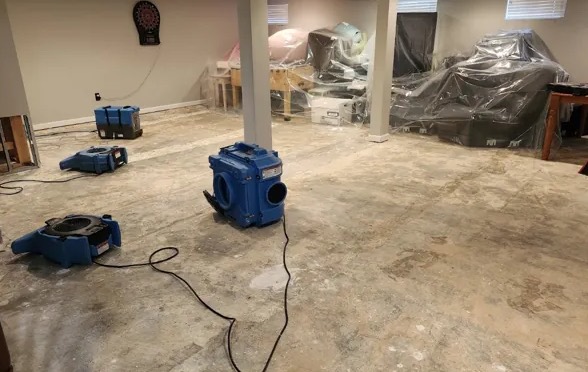
Larger jobs need plastic sheeting, negative air machines and air scrubbers, which add setup time and equipment cost.
Does Insurance Cover Wall Mold Removal?
Many policies cover mold only when it comes from a sudden, covered water event such as a burst pipe. Mold from long-term leaks or humidity is usually excluded. Check your policy.
Why Choose Local Experts for Wall Mold Removal in Cincinnati
Moisture Meters and Thermal Cameras
These tools show wet areas inside walls and under floors, which is where hidden mold usually grows.
Clear Scope Before Work Starts
An inspection sets out what will be removed, cleaned and dried before any work begins, so there are no surprises.
Finding the Moisture Source
The pros look for the leak, condensation or seepage behind the mold, since removing mold without fixing moisture does not last.
Urgent Wall Mold Removal in Cincinnati
For mold cleanup after a leak in Cincinnati, call (513) 854-7491 any time. Local mold removal experts start with an inspection and moisture readings.
Call Now (513) 854-7491Wall Mold Removal Coverage in Cincinnati, Covington, Newport and Fort Mitchell
Mold cleanup after leaks and floods reaches beyond Cincinnati to Covington, Newport and Fort Mitchell, day or night.
Common Mold Removal Questions Answered
Can mold grow in air ducts?
Yes, especially near the air handler where condensation collects. A musty smell when the air turns on is a common sign.
Can I stay home during mold removal?
Often yes, for contained jobs. People with asthma or other breathing problems may want to stay elsewhere during large removals.
Is mold in the attic a serious problem?
It can damage roof sheathing and framing over time and usually points to a roof leak or poor ventilation that should be fixed.
What happens to moldy drywall?
Drywall with mold is cut out, bagged and removed. The framing behind it is cleaned and dried before new drywall goes up.
What do mold remediation services include?
An inspection, containment of the affected area, removal of moldy materials, cleaning and HEPA vacuuming, and drying until moisture readings are normal.