Augusta, KY · Bracken County
Warehouse Water Damage Restoration in Augusta, KYWarehouse Mold Remediation & Warehouse Equipment Drying
Warehouse Water Damage Restoration in Augusta requires warehouse equipment drying, warehouse floor water removal, and warehouse leak detection repair.
Answered 24/7
Local Warehouse Drying Specialists Serving Augusta
Water in a warehouse threatens equipment, inventory and building safety. Drying pros start by extracting the flood water and finding the leak.
Warehouse water damage restoration is a critical service for industrial and storage facilities in Augusta, where water intrusion can halt operations and damage valuable stock. The pros provide warehouse flood water extraction and structural drying to restore functionality, serving businesses here and in nearby areas like Higginsport, Brooksville and Georgetown.
Warehouse Water Damage Restoration Process for Augusta Warehouses
Warehouse Mold Remediation
Warehouse mold remediation involves removing colonization sources and cleaning the space. Contaminated items like wet cardboard or insulation are discarded, and antimicrobial treatments are applied.
Warehouse Equipment Drying
Warehouse equipment drying evaluates machinery to prevent corrosion. Controlled drying of electrical systems and forklifts helps avoid costly replacements.
Warehouse Structural Drying
Industrial structural drying targets moisture in warehouse walls, supports, and slabs. Commercial dehumidifiers and air movers establish drying conditions across the large space. The specialists in Augusta follow industry-standard protocols, using meters to verify materials are dry.
Warehouse Leak Detection Repair
Pros check common entry points like roof seams and penetrations, then make a temporary repair to stop the water.
Warehouse Flood Water Extraction
High-volume extractors clear standing water from large warehouse floors fast. The pros in Augusta work to protect stock and the structure.
Warning Signs You Need Warehouse Water Damage Restoration
Water Stains on Walls
Discolored streaks or rings on interior walls reveal past or active leaks in the warehouse.
Damp Inventory or Materials
Wet boxes, soggy pallets or damp raw materials mean water is reaching your inventory.
Soggy Insulation Overhead
Wet, sagging insulation in ceiling bays loses R-value and can lead to collapse.
Condensation on Equipment
Water beads on metal machinery or control panels show high humidity, risking corrosion and downtime.
How Warehouse Water Damage Restoration Works in Augusta
Step 1: Emergency Water Extraction
The pros use industrial pumps and extractors to remove all standing flood water from the facility, starting the warehouse water removal process.
Step 2: Strategic Structural Drying
High-capacity air movers and commercial dehumidifiers are positioned to dry the warehouse structure, including walls, ceilings, and the concrete slab, preventing warping.
Step 3: Inventory and Content Processing
Affected goods and materials are evaluated for warehouse inventory water damage; salvageable items are moved to a dry zone for specialized drying or cleaning.
Step 4: Final Verification and Documentation
Using moisture meters, pros verify the space is dry to industry standards. They document the process with readings and photos for your insurance review.
Leading Causes of Water Intrusion in Augusta
Stormwater and Flood Intrusion
Heavy rain can overwhelm drains or seep under doors, leading to warehouse flood damage.
Plumbing Supply Line Breaks
A burst pipe in restrooms, break rooms, or process water lines leads to significant water loss.
Foundation or Slab Leaks
Cracks in the slab or foundation walls let groundwater seep into the warehouse.
Roof Leaks and Penetrations
Damaged roofing, failed seals around vents or skylights, and storm damage allow water into warehouse spaces.
Warehouse Water Damage Restoration for Industrial Properties in Augusta
Residential Water Damage Restoration
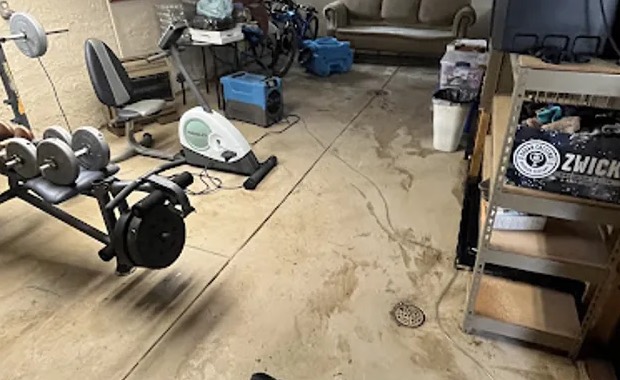
A flooded home workshop with power tools and materials requires the thorough moisture removal approach of the experts to dry the space and prevent warping or rust damage to equipment.
Warehouse Water Damage Restoration
Property managers need concrete slabs dried to avoid flooring and moisture problems later. Moisture maps and readings also support the insurance claim.
The Risks of DIY Warehouse Water Damage Restoration in Augusta
Documenting the damage with photos and notes for your insurance claim is a responsible step you can take. The scope, cause, and extent of industrial water damage restoration, however, must be assessed and executed by qualified specialists.
Factors Influencing Warehouse Water Damage Restoration Cost
Commercial water extraction pricing in Augusta considers the number of affected warehouse zones, the type of flooring materials, and any post-extraction sanitation needs for the space.
Emergency Service Timing
A 24/7 response outside standard hours may involve different service rates compared to a scheduled appointment during business hours.
Water Volume and Source
Clean water from a broken pipe costs less to extract than contaminated flood water requiring advanced sanitation procedures in the warehouse.
Inventory and Equipment Damage
Costs go up when stored goods or machinery got wet and need drying, cleaning or corrosion control.
Does Insurance Cover Warehouse Water Damage Restoration?
Industrial water damage restoration is often a covered peril, but policy deductibles, limits, and various exclusions typically apply. Discussing the specific incident with an insurance agent is a necessary step.
Why Choose Local Specialists for Warehouse Water Damage Restoration
Floor Water Removal
Effective warehouse floor water removal addresses both surface water and moisture trapped below the surface or in subflooring materials.
Leak Detection Repair
After extraction, warehouse leak repair experts can help identify and address the source of the water intrusion to prevent a recurrence.
Inventory Damage Mitigation
Pros prioritize protecting salvageable goods through careful water removal, controlled drying environments, and coordination for off-site restoration if needed.
24/7 Emergency Warehouse Water Damage Restoration in Augusta
Inventory and equipment are at risk from standing water and humidity. For emergency warehouse water damage cleanup, call the local pros at (513) 854-7491 for assistance.
Call Now (513) 854-7491Warehouse Water Damage Restoration for Augusta and Nearby Communities
Warehouse extraction and repair are available in Augusta and nearby communities, including Higginsport, Brooksville and Georgetown.
- Warehouse Water Damage Restoration in Higginsport
- Warehouse Water Damage Restoration in Brooksville
- Warehouse Water Damage Restoration in Georgetown
- Warehouse Water Damage Restoration in Ripley
- Warehouse Water Damage Restoration in Moscow
- Warehouse Water Damage Restoration in Bethel
- Warehouse Water Damage Restoration in Aberdeen
- Warehouse Water Damage Restoration in Maysville
- Emergency Damage Restoration in 41002
- Storm Damage Restoration in 41002
- Water Damage Restoration in 41002
- Water Extraction Service in 41002
- Water Leak Detection in 41002
- Water Removal Service in 41002
Common Warehouse Water Damage Restoration Queries
What does warehouse structural drying involve?
This process uses industrial air movers and dehumidifiers to remove moisture from building materials like concrete, steel, and wall assemblies to dry standards.
Why is warehouse floor water removal challenging?
Water soaks into concrete, so slabs take longer to dry and need dehumidifiers and readings to confirm.
How fast should warehouse flood damage be addressed?
Quick action is critical to minimize structural warping, inventory loss, and mold growth; water removal should begin within the first 24 hours.
Is warehouse equipment drying different from structural drying?
Yes, it often requires specific techniques like controlled low-heat drying, corrosion inhibitors, and electrical testing to protect machinery after water exposure.
When is warehouse mold remediation necessary after water damage?
If visible mold growth appears or moisture is left unresolved for over 24 48 hours, remediation procedures for containment and removal become necessary.