Wyoming, OH · Hamilton County
Water Damage Restoration in Wyoming, OHSewage Cleanup & Flood Cleanup
Water Damage Restoration in Wyoming covers sewage cleanup, storm damage repair and structural drying.
Answered 24/7
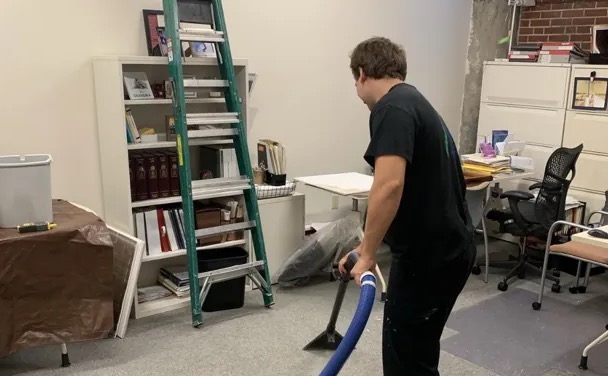
Water Damage Restoration Response in Hamilton County
In Wyoming, acting fast limits disruption and keeps mold from starting. Local water extraction experts clean up the water and dry wet carpet with professional equipment.
Around Wyoming, including Reading, Springfield Township and Finneytown, the pros remove water from affected homes and businesses and dry the structure to keep mold from starting.
Detailed Water Damage Restoration Services for Wyoming
Sewage Cleanup
Toilet and drain backups bring sewage into the home. The pros in Wyoming remove the contaminated water and disinfect with strict safety steps.
Flood Cleanup
Flood cleanup deals with large water volumes inside a building. It prioritizes safety with hazard assessment.
Structural Drying
After water removal, air movers and dehumidifiers draw moisture out of walls and ceilings. The pros in Wyoming track readings until materials are dry.
Water Damage Repair
Water damage repair reconstructs materials that could not be saved. It includes installing new drywall, baseboards, flooring, and paint.
Storm Damage Repair
After a storm, roof openings are covered and wet drywall and flooring are dried or replaced.
Signs Your Wyoming Property Needs Water Damage Help
Sagging or Bubbling Drywall
Drywall that swells, sags or bubbles has absorbed a lot of water and needs drying or removal.
Visible Mold Patches
Any visible mold, especially after a leak, means moisture has stayed long enough for spores to grow.
Musty Odors in Rooms
A persistent musty smell often means hidden moisture and mold growing behind walls or under floors.
Wet Spots on Carpets
Carpet or pad that stays damp means water has soaked deep into the floor, where it can rot the subfloor.
How Water Damage Restoration Works in Wyoming
Step 1: Water Removal Services
Powerful extractors remove the surface water and the water absorbed into carpet and floors.
Step 2: Comprehensive Dehumidification
Commercial dehumidifiers pull moisture from the air and building materials, which dries carpet and walls.
Step 3: Cleaning and Debris Removal
Damaged materials that cannot be saved are safely removed. Salvageable surfaces are cleaned and sanitized as part of the water damage cleanup.
Step 4: Reconstruction and Final Verification
Necessary rebuilding, from drywall to flooring, is completed. A final moisture check verifies the area is dry and restoration is finished.
Frequent Sources of Home Water Damage in Wyoming
Natural Flooding From Heavy Rain
Heavy rain can overwhelm drainage and send surface water inside through doors and low spots.
Roof Leaks From Storm Damage
Wind-driven rain, hail or fallen debris can break through roofing and let water into the home.
Sewer Line Backups or Overflows
Blocked main sewer lines or septic failures can push sewage up into the home through drains.
Faulty or Clogged Gutters
Gutters that overflow or detach pour water against the home's siding. This leads to wall and basement water damage over time.
Home and Business Water Damage Restoration in Wyoming
Residential Water Damage Restoration
Attic water damage from roof leaks can ruin insulation and decking, affecting energy bills. The pros perform attic drying and may remove wet insulation.
Commercial Water Damage Restoration
Warehouses and plants need heavy-duty water removal over large areas after drainage failures or sprinkler discharges, to protect machinery and storage.
Hiring Water Extraction Experts vs. DIY Water Damage Cleanup
If a sewage backup occurs, avoid contact and do not flush other toilets. Photograph the damage from a safe distance for insurance. Do not attempt cleaning due to health risks. Sewage cleanup requires safety gear and disinfectants only the experts use.
What Influences Water Damage Restoration Cost in Wyoming?
In Wyoming, moving and storing furniture or belongings so floors can be dried adds labor and affects the final cost.
Drying Time Required
How long air movers and dehumidifiers must run affects equipment cost and job length.
Secondary Damage Remediation
Extra work like mold removal or storm repairs adds its own scope and cost.
Content Pack-Out Needs
The cost includes labor for moving, cleaning, and storing furniture and personal belongings to facilitate the flooded basement cleanup and drying process.
Does Insurance Cover Water Damage Restoration?
Drying after a covered loss is often paid, subject to policy limits and deductibles. The pros provide drying records and equipment logs for your insurer.
The Case for Local Experts in Wyoming, OH
Comprehensive Water Extraction
Industrial pumps and extractors remove standing water fast in homes and commercial buildings.
Contamination Safety Protocols
For sewage or dirty flood water, the pros wear protective gear and treat surfaces to reduce health risks.
Detailed Damage Documentation
Pros systematically photograph the damage and record moisture readings, creating a clear visual and data record that can be useful for insurance purposes.
24/7 Emergency Water Damage Restoration in Wyoming
When water damage strikes your home or business, every hour counts. Prompt water extraction minimizes structural harm and mold risk. For 24/7 emergency response from the pros in Wyoming, dial (513) 854-7491 to start the restoration process.
Call Now (513) 854-7491Local Water Damage Restoration Areas Near Wyoming
Water damage restoration is available in Wyoming and nearby areas like Reading, Springfield Township and Finneytown, from indoor leaks to storm flooding.
- Water Damage Restoration in Reading
- Water Damage Restoration in Springfield Township
- Water Damage Restoration in Finneytown
- Water Damage Restoration in Sharonville
- Water Damage Restoration in Springdale
- Water Damage Restoration in Mount Healthy
- Water Damage Restoration in Deer Park
- Water Damage Restoration in Forest Park
- Water Damage Restoration in 45215
- Water Damage Restoration in 45216
Water Damage Restoration Information: Your Questions
What does storm damage restoration involve?
It handles water that wind or rain let in, combining water removal, drying and repairs to the roof or siding.
How quickly should water extraction begin after a flood?
As soon as it is safe. Standing water speeds up damage, and mold can start within 24 to 48 hours.
Can contents and furniture be restored after water damage?
Many contents can be restored through professional cleaning and drying techniques like ultrasonic cleaning or freeze-drying.
What happens during the flood cleanup process?
Flood cleanup starts with pumping out standing water. Then, mud and debris are removed. The area is cleaned and disinfected.
Why can mold become a problem after water damage?
Mold can grow in damp materials within 24 to 48 hours. If moisture remains after drying, mold removal may be needed.