Batavia, OH · Clermont County
Water Heater Burst Water Removal in Batavia, OHBurst Pipe Mold Prevention & Water Heater Flood Water Removal
Water Heater Burst Water Removal in Batavia handles wet drywall removal after burst, water damaged floor removal, and emergency burst heater cleanup.
Answered 24/7
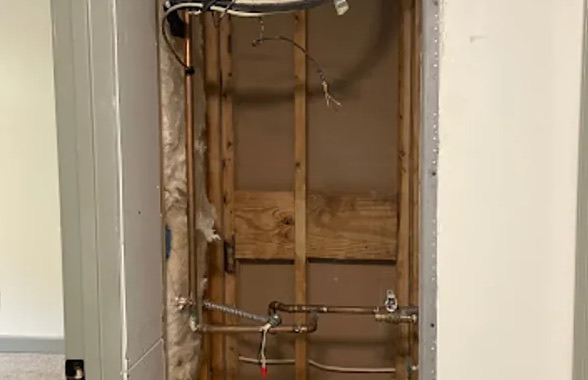
Local Water Extraction Experts for Water Heater Burst Water Removal in Batavia
Properties in the village of Batavia, facing a water heater burst experience intense localized flooding, often in utility areas or adjacent rooms. This hot water leak can ruin drywall, insulation, and flooring, demanding professional water damage restoration.
In Batavia and nearby Amelia, Withamsville and Williamsburg, local water damage pros extract water after a heater bursts, check for hidden moisture, remove wet drywall and dry the area for repairs.
Water Damage Services After a Heater Burst in Batavia
Burst Pipe Mold Prevention
Preventing mold is cheaper and safer than remediating it later. After water removal and drying, prevention strategies include controlling humidity and treating susceptible areas with EPA-registered solutions.
Water Heater Flood Water Removal
When a heater floods a room, the experts in Batavia remove the bulk water first to stop the damage from spreading.
Burst Water Heater Damage Cleanup
The cleanup phase addresses the mess left behind. This includes wiping appliances, cleaning flooring, and discarding unsalvageable water-logged materials.
Water Damaged Floor Removal
Persistent moisture can destroy flooring adhesives. Floor removal becomes necessary to access and dry the subfloor thoroughly for new installation.
Emergency Burst Heater Cleanup
A burst heater is a true property emergency. The pros manage the crisis with urgent water removal and containment strategies.
When to Call for Water Heater Burst Water Removal in Batavia
Wet Floors or Baseboards Nearby
Damp flooring or baseboards near the water heater mean water is spreading into the room.
Musty Odors From the Area
A musty smell near the water heater can indicate hidden moisture and early mold growth. Mold prevention after water leak services should be considered immediately.
The Heater Is Over 10 Years Old
Older water heaters are more likely to rupture, especially once the tank starts to rust.
Water Heater Making Strange Noises
Loud banging or rumbling sounds from your water heater can signal sediment buildup and potential failure. Call (513) 854-7491 for the pros before a full rupture occurs.
How Water Heater Burst Water Removal Works in Batavia
Step 1: Emergency Water Removal and Extraction
The pros come and extract standing water using industrial-grade equipment. This rapid water heater burst water removal stops further saturation of floors and walls.
Step 2: Thorough Moisture Inspection and Mapping
A detailed moisture inspection maps all wet materials, including hidden moisture in wall cavities and subfloors.
Step 3: Targeted Drying and Dehumidification
Professionals set up an array of high-velocity air movers and commercial dehumidifiers for flooded room drying.
Step 4: Cleaning and Mold Prevention Steps
The area is cleaned and treated with an antimicrobial where needed, to limit mold.
Common Causes of Water Heater Failure in Batavia
Faulty or Failing Temperature Valve
A malfunctioning temperature and pressure relief valve cannot release excess pressure. This trapped pressure builds until it forces a rupture in the tank's weakest point.
Excessive Internal Water Pressure
Faulty pressure relief valves or thermal expansion can cause pressure to spike inside the tank.
High Incoming Water Pressure
Excessively high municipal water pressure entering the home strains all plumbing. The water heater tank is particularly vulnerable to this constant, elevated pressure.
Manufacturing Defects or Flaws
Rare manufacturing flaws in the tank's steel or welds can hold for years, then fail without warning.
Water Damage Restoration for All Properties in Batavia
Residential Water Heater Burst Water Removal
Residential water heater floods often require careful handling of finished basements or adjacent rooms. The process involves water heater burst water extraction, sanitization, and targeted drying to restore normal living conditions safely.
Commercial Water Heater Burst Water Removal
A burst heater in a commercial setting risks slip hazards and code violations. The pros secure the area, extract standing water, and implement drying plans to get the business back to code quickly.
Water Heater Burst Water Removal vs. DIY: When to Call Local Experts
Once the leak is stopped, report it to your insurance company and keep receipts for any emergency supplies. Confirm coverage with your insurer, and leave the removal and drying to the experts.
Cost Considerations for Burst Heater Cleanup in Batavia
Additional services such as mold prevention treatments after the hot water leak or specialized drying of enclosed spaces add to the base water removal fee.
Access Complexity
A water heater located in a tight closet or utility room can make water extraction and equipment setup more labor-intensive and costly.
Structural Repairs
Any necessary removal and replacement of water-damaged building materials like drywall or flooring is a separate factor in the final cost.
Affected Materials
Porous materials like drywall, carpet, or subflooring that absorb hot water require more intensive, and therefore costlier, extraction and drying.
Does Insurance Cover Water Heater Burst Water Removal?
For a burst water heater, insurance may cover the resulting water removal and drying if the cause is a covered peril. The experts meticulously record the scope of hot water leak damage for your adjuster's review.
Benefits of Local Experts in Batavia
Sequenced Restoration Process
Work follows a logical sequence: extraction, drying, cleaning, and controlled demolition, methodically addressing burst water heater damage cleanup.
Advanced Moisture Detection
Moisture meters and thermal cameras map hidden dampness behind walls and under floors so drying is complete.
Thorough Structural Drying
The process uses industrial air movers and dehumidifiers to dry affected materials properly, a key step in water damage restoration.
24 Hour Burst Water Heater Cleanup in Batavia
A burst water heater can flood a home quickly. Call (513) 854-7491 for emergency water removal and cleanup in Batavia, day or night.
Call Now (513) 854-7491Areas Served for Water Heater Burst Water Removal Near Batavia
Water heater burst water removal services address the urgent need to extract hot water and dry out rooms in Batavia and nearby areas like Amelia, Withamsville and Williamsburg.
- Water Heater Burst Water Removal in Amelia
- Water Heater Burst Water Removal in Withamsville
- Water Heater Burst Water Removal in Williamsburg
- Water Heater Burst Water Removal in Mount Carmel
- Water Heater Burst Water Removal in Cherry Grove
- Water Heater Burst Water Removal in Milford
- Water Heater Burst Water Removal in Goshen
- Water Heater Burst Water Removal in Anderson Township
- Emergency Damage Restoration in 45103
- Storm Damage Restoration in 45103
- Water Damage Restoration in 45103
- Water Extraction Service in 45103
- Water Leak Detection in 45103
- Water Removal Service in 45103
Water Damage Restoration FAQs
How are belongings handled during water damage cleanup?
Contents are moved to a dry area, cleaned, and dried if possible. The experts can often perform on-site content cleaning as part of the restoration effort.
How quickly should water extraction begin after a heater burst?
The pros recommend starting water removal to limit absorption into floors and walls, as hot water accelerates damage and increases mold risk.
What is the goal of water damage restoration after a burst?
The aim is a dry, clean, stable area with no secondary damage like mold or weakened structure.
What are the steps for emergency burst heater cleanup?
Steps include stopping the water source, extracting standing water, setting up drying equipment, monitoring moisture levels, and cleaning/disinfecting the area to prepare for repairs.
What does burst water heater damage cleanup include?
Cleanup encompasses extracting water, drying the structure with air movers, disinfecting affected areas, and removing unsalvageable materials like soaked drywall or damaged flooring.