Loveland, OH · Hamilton County
Water Heater Burst Water Removal in Loveland, OHWater Heater Burst Water Extraction & Water Damaged Floor Removal
Water Heater Burst Water Removal in Loveland handles wet drywall removal after burst, water damaged floor removal, and emergency burst heater cleanup.
Answered 24/7
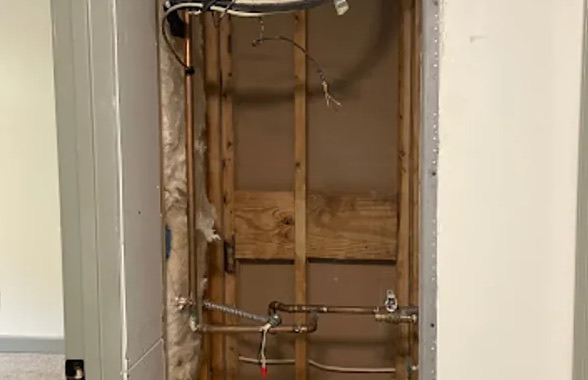
Water Heater Burst Water Removal Response in Loveland, Ohio
In Loveland, a burst water heater can release dozens of gallons fast, soaking floors, walls and belongings. Fast extraction limits structural damage and the chance of mold.
In Loveland and nearby Montgomery, Goshen and Blue Ash, local water extraction experts handle burst water heaters, removing all the water and drying the area to help prevent mold.
Water Heater Burst Water Removal Services in Loveland
Water Heater Burst Water Extraction
After a heater bursts, local water extraction experts in Loveland use powerful pumps to remove the standing water before it soaks into floors and walls.
Water Damaged Floor Removal
Persistent moisture can destroy flooring adhesives. Floor removal becomes necessary to access and dry the subfloor thoroughly for new installation.
Wet Drywall Removal After Burst
If drywall is soaked with hot water, removal is frequently necessary. Precise cutting removes only damaged panels, preserving undamaged sections.
Emergency Burst Heater Cleanup
Emergency services prioritize action. The experts respond at any hour to extract water, assess hazards, and secure the area.
Burst Water Heater Damage Cleanup
Cleanup goes beyond drying. The experts remove debris, clean walls, and treat surfaces to prevent odors using industry-standard methods.
Symptoms of a Water Heater Failure in Loveland Homes
Water Heater Making Strange Noises
Loud banging or rumbling sounds from your water heater can signal sediment buildup and potential failure. Call (513) 854-7491 for the pros before a full rupture occurs.
The Heater Is Over 10 Years Old
Older water heaters are more likely to rupture, especially once the tank starts to rust.
Moisture on the Tank or Pipes
Moisture or dampness on the tank or its pipes often comes before a full burst.
Visible Corrosion on the Tank
Obvious rust or corrosion on the exterior of the tank weakens its structure. This is a major risk factor for a catastrophic water heater flood.
How Water Heater Burst Water Removal Works in Loveland
Step 1: Emergency Water Removal and Extraction
The pros come and extract standing water using industrial-grade equipment. This rapid water heater burst water removal stops further saturation of floors and walls.
Step 2: Thorough Moisture Inspection and Mapping
A detailed moisture inspection maps all wet materials, including hidden moisture in wall cavities and subfloors.
Step 3: Targeted Drying and Dehumidification
Professionals set up an array of high-velocity air movers and commercial dehumidifiers for flooded room drying.
Step 4: Cleaning and Mold Prevention Steps
The area is cleaned and treated with an antimicrobial where needed, to limit mold.
Why Water Heaters Fail and Cause Floods in Loveland
Frozen Water Heater Pipes
In cold climates, water inside inlet or outlet pipes can freeze and expand. This ice pressure can crack pipes or damage connections at the tank itself.
Physical Damage to the Tank
Dents, dings, or impacts from moving objects can compromise the tank's structural integrity. Even minor damage can become the starting point for a major leak.
Aging and General Wear
All water heaters have a finite lifespan, typically 8-12 years. The tank metal fatigues over time, becoming more susceptible to cracks and failure under normal pressure.
High Incoming Water Pressure
Excessively high municipal water pressure entering the home strains all plumbing. The water heater tank is particularly vulnerable to this constant, elevated pressure.
Residential & Commercial Water Removal in Loveland
Residential Water Heater Burst Water Removal
Residential water heater floods often require careful handling of finished basements or adjacent rooms. The process involves water heater burst water extraction, sanitization, and targeted drying to restore normal living conditions safely.
Commercial Water Heater Burst Water Removal
A burst heater in a commercial setting risks slip hazards and code violations. The pros secure the area, extract standing water, and implement drying plans to get the business back to code quickly.
When to Handle Water Damage Yourself in Loveland
To improve air circulation, you can set up fans to blow air across wet surfaces, but avoid using them if electrical outlets are wet. Do not use a standard household vacuum to remove water, as this is dangerous and ineffective. For thorough water removal and to prevent mold, it's time to call professionals who specialize in hot water leak drying services.
Cost Considerations for Burst Heater Cleanup in Loveland
Cost depends on how much cleanup is needed, including wet drywall removal or floor repairs. More damage means more labor and materials.
Access Complexity
A water heater located in a tight closet or utility room can make water extraction and equipment setup more labor-intensive and costly.
Emergency Service Timing
A burst heater requiring 24/7 response, outside standard hours, may incur different service rates for the initial water extraction.
Affected Materials
Porous materials like drywall, carpet, or subflooring that absorb hot water require more intensive, and therefore costlier, extraction and drying.
Does Insurance Cover Water Heater Burst Water Removal?
Coverage for emergency water removal after a heater burst is a policy matter. The pros in Loveland create a thorough record of moisture levels and damaged materials to assist your insurance claim process.
The Value of Professional Water Removal in Loveland
Documentation for Insurance
Detailed photos and moisture readings are provided, creating a clear record of the damage for your insurance claim process.
Comprehensive Damage Assessment
An initial inspection evaluates the full extent of the burst heater's impact, informing an effective water removal and drying plan.
Hot Water Leak Specialization
Focus on the unique challenges of heated water spills, which can warp materials and drive moisture deeper than cold leaks.
Emergency Water Damage Response in Loveland
A burst water heater can flood a home quickly. Call (513) 854-7491 for emergency water removal and cleanup in Loveland, day or night.
Call Now (513) 854-7491Areas Served for Water Heater Burst Water Removal Near Loveland
Water heater burst water removal services address the urgent need to extract hot water and dry out rooms in Loveland and nearby areas like Montgomery, Goshen and Blue Ash.
- Water Heater Burst Water Removal in Montgomery
- Water Heater Burst Water Removal in Goshen
- Water Heater Burst Water Removal in Blue Ash
- Water Heater Burst Water Removal in Milford
- Water Heater Burst Water Removal in Mason
- Water Heater Burst Water Removal in Indian Hill
- Water Heater Burst Water Removal in Kenwood
- Water Heater Burst Water Removal in Madeira
- Emergency Damage Restoration in 45140
- Storm Damage Restoration in 45140
- Water Damage Restoration in 45140
- Water Extraction Service in 45140
- Water Leak Detection in 45140
- Water Removal Service in 45140
Water Damage Restoration FAQs
Why is specialized drying needed for a hot water leak?
Hot water can soak into materials faster than cold, so drying needs to reach deeper.
What areas are affected by water heater flood water removal?
Usually the utility room and nearby floors, and water can reach basements, garages or living spaces, each of which needs drying.
What does burst water heater damage cleanup include?
Cleanup encompasses extracting water, drying the structure with air movers, disinfecting affected areas, and removing unsalvageable materials like soaked drywall or damaged flooring.
What equipment is used for hot water leak drying services?
Industrial-grade equipment is used, including truck-mounted or portable extractors, high-velocity air movers, dehumidifiers, and infrared cameras or moisture meters for inspection.
What does mold prevention after a water leak involve?
Prevention involves rapid drying to deprive mold of moisture, application of EPA-registered antimicrobial agents to affected surfaces, and ensuring humidity levels return to normal.