Wilmington, OH · Clinton County
AC Unit Water Removal in Wilmington, OHAC Drain Pan Water Extraction & Wet AC Unit Component Drying
AC Unit Water Removal in Wilmington runs from emergency AC water removal and AC leak water cleanup to air conditioner restoration services.
Answered 24/7
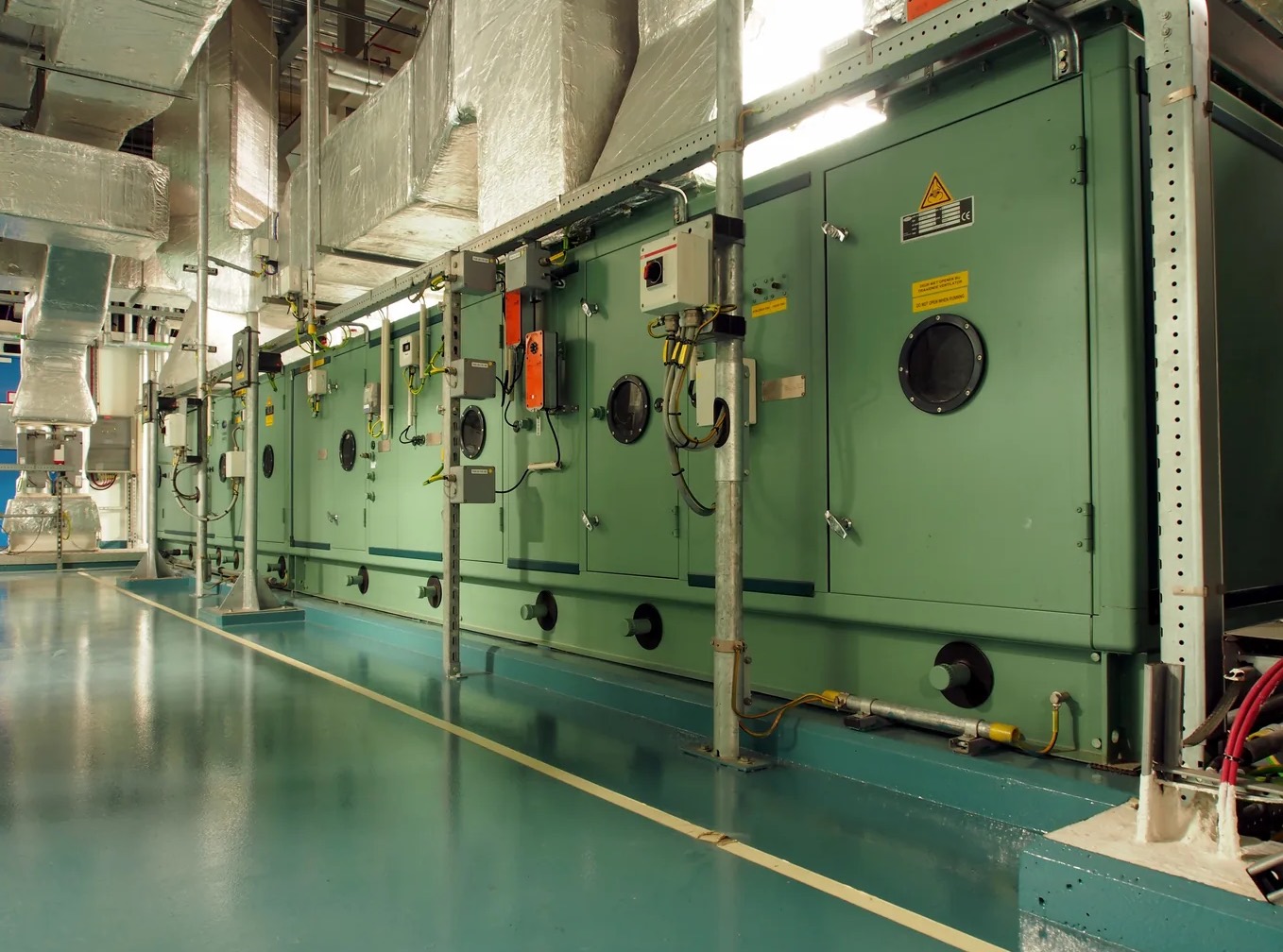
Local AC Unit Water Removal Services in Wilmington, Ohio
In Wilmington, an AC that runs for months produces a steady flow of condensate. A blocked or disconnected drain line sends that flow into the house, where it soaks whatever sits below the unit.
In Wilmington, AC leaks usually show up as ceiling stains under attic units, wet carpet near the furnace closet or water dripping from a vent. Help with AC unit water removal is available across Wilmington and in Blanchester, Xenia and Lebanon, day or night, with extraction, drain clearing and drying.
Comprehensive AC Unit Water Removal Solutions in Wilmington
AC Drain Pan Water Extraction
Both the primary pan and the secondary safety pan are emptied, and the pan is inspected for rust holes or cracks.
Wet AC Unit Component Drying
Damp insulation inside the cabinet holds water for a long time. It is dried in place or replaced if it stays wet.
AC Leak Water Cleanup
Water from an overflowing air handler is extracted from the floor, closet or mechanical room, then nearby walls are checked with a moisture meter.
AC Condensate Drain Clearing
Clearing the line stops the overflow at its source. Without it, the pan refills and the leak returns within days.
Emergency AC Water Removal
Help is available day or night for leaks that start after hours, when water dripping from an attic unit cannot wait until morning.
Warning Signs You Need AC Unit Water Removal
Musty Odors From Vents
A musty smell when the AC starts often means standing water in the pan or wet insulation in the ducts.
Wet AC Unit Components
Damp coils, a wet blower compartment or moisture around wiring inside the cabinet mean water is collecting where it should not.
Water on the Floor
A puddle around the air handler or furnace closet is the most direct sign of a leak.
AC System Shuts Off
Many units have a float switch that shuts the system off when the pan fills. If the AC stops cooling, check the pan.
How AC Unit Water Removal Works in Wilmington
Step 1: Emergency AC Water Removal
The unit is shut off and standing water is extracted from the drain pan, the floor and any carpet or pad it reached.
Step 2: AC Condensation Line Clearing
The drain line is flushed or vacuumed clear of algae and sludge, so condensate flows outside again.
Step 3: Wet AC Unit Component Drying
Air movers and a dehumidifier dry the cabinet interior and the walls, floor or ceiling around the unit.
Step 4: AC Leak Mold Prevention
Once readings show dry, wood and drywall that stayed wet can be treated with an antimicrobial.
Why AC Units Leak and Need Water Removal
Failed Condensate Pump
Units that pump condensate uphill depend on a small pump. When it fails, the reservoir overflows.
Age and Component Wear
Older units have worn fittings, brittle seals and corroded pans that start leaking together.
Improper AC Unit Installation
A unit that is not level, or a drain line without enough slope, lets water pool instead of draining.
Excess Outdoor Humidity
Very humid air makes the coil produce more water than a partly clogged drain can carry.
Expert AC Unit Water Removal for Any Property in Wilmington
Residential AC Unit Water Removal
Attic air handlers in houses leak into bedroom and hallway ceilings. The pan is emptied, the ceiling checked with a meter and wet drywall dried or cut out before it sags.
Commercial AC Unit Water Removal
Commercial systems have larger pans and longer drain runs. Clearing the line and drying ceiling tiles and carpet keeps the space open and safe for staff and customers.
Professional AC Unit Water Removal or DIY Cleanup in Wilmington
Box fans move air across a wet surface, but they often leave water trapped in wall cavities and under flooring. Professional drying uses moisture readings to confirm the hidden areas behind walls and under floors are dry too.
AC Unit Water Removal Cost in Wilmington, OH
In Wilmington, most of the cost comes from extraction, equipment days and any drywall or insulation that has to be replaced. A walk-through sets the scope before work starts.
Preventative Treatment Scope
Antimicrobial treatment is an optional step, priced by the size of the area treated.
Emergency Service Timing
After-hours and holiday response can cost more than a scheduled weekday visit.
Documentation Needs
Detailed photos and moisture logs for an insurance claim add some time to the job.
Does Insurance Cover AC Unit Water Removal?
Take photos before cleanup starts and keep receipts for any emergency work, such as extraction done at night. Both help when you file a claim for AC water damage with your insurer.
Why Choose Local Pros for AC Unit Water Removal in Wilmington
24/7 Emergency Response
Help is available any hour, which matters when an attic unit starts leaking into a ceiling at night.
Detailed Moisture Documentation
Photos and moisture readings are recorded at each visit to support your insurance claim.
Drain Pan Extraction
Both the main pan and the safety pan are emptied and checked for damage.
24/7 AC Unit Water Removal for Emergencies in Wilmington
Do not wait for a stained ceiling to start sagging under the weight of the water. Call (513) 854-7491 now for AC unit water removal in Wilmington and get the drying started.
Call Now (513) 854-7491AC Unit Water Removal Throughout Wilmington and Beyond
Help with AC unit water removal is also available in communities near Wilmington, including Blanchester, Xenia and Lebanon, for leaking air handlers and overflowing drain pans.
- AC Unit Water Removal in Blanchester
- AC Unit Water Removal in Xenia
- AC Unit Water Removal in Lebanon
- AC Unit Water Removal in Hillsboro
- AC Unit Water Removal in Beavercreek
- AC Unit Water Removal in Goshen
- AC Unit Water Removal in Springboro
- AC Unit Water Removal in Kettering
- Emergency Damage Restoration in 45177
- Storm Damage Restoration in 45177
- Water Damage Restoration in 45177
- Water Extraction Service in 45177
- Water Leak Detection in 45177
- Water Removal Service in 45177
AC Unit Water Removal FAQs
What should I do while waiting for help with an AC leak?
Turn off the AC, place towels or a bucket under the drip, move belongings out of the way and take photos.
Why document AC water damage?
Photos and moisture readings show what got wet and how it was dried, which helps your insurance claim.
What happens during AC water extraction?
Pumps and extractors remove water from the pan, floor and carpet, then moisture meters check walls and subfloor for hidden water.
What clogs an AC condensate line?
Algae, sludge, dust and debris build up inside the line, especially over long cooling seasons, until water backs up into the pan.
Why does the drain pan need to be emptied?
A full pan overflows into ceilings and floors. Emptying and inspecting it stops the spill and shows whether the pan is cracked.