Beavercreek, OH · Greene County
Basement Water Damage Restoration in Beavercreek, OHBasement Wall Drying & Basement Mold Prevention
Basement Water Damage Restoration in Beavercreek runs from basement water extraction and basement floor water removal to basement dehumidification.
Answered 24/7
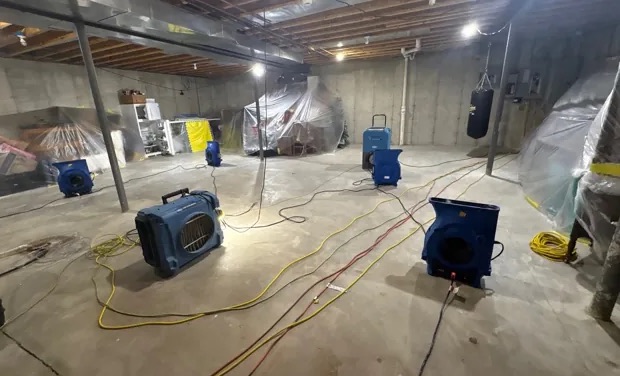
Expert Basement Water Damage Restoration Serving Beavercreek
Basement Water Damage Restoration in Beavercreek covers finished and unfinished basements. A bare concrete basement can often be pumped and dried. A finished one usually needs carpet, pad and lower drywall removed so the walls and slab can dry.
In Beavercreek, a home with a basement or below-grade room can flood after heavy rain or a blocked sewer line. Local water damage pros serve Beavercreek, Kettering, Xenia and Springboro, pumping out water and drying finished and unfinished spaces.
Professional Basement Water Damage Restoration Offered in Beavercreek
Basement Wall Drying
Concrete and block walls are dried with directed airflow and dehumidifiers, and checked with meters until readings drop.
Basement Mold Prevention
Fast extraction and drying are the main ways to limit microbial growth in a basement. Surfaces that stayed wet can be treated once dry.
Emergency Basement Flood Cleanup
A flooded basement can damage furnaces, water heaters and stored items quickly. Fast pumping limits how much is lost.
Basement Floor Water Removal
Water on a concrete floor is squeegeed and extracted, and floor coverings such as carpet, vinyl or laminate are lifted to dry the slab.
Basement Water Extraction
Extraction starts at the lowest point, often near the floor drain or sump, and works outward until no pooled water remains.
When to Consider Basement Water Damage Restoration for Your Beavercreek Home
Mold on Surfaces
Dark spots on drywall, framing or stored boxes mean the area has stayed wet for days.
Sump Pump Failure or Overflow
A sump pump that runs constantly, fails to start or lets the pit overflow puts the basement at risk.
Standing Water in the Basement
Any standing water on the basement floor needs pumping right away, before it soaks walls and framing.
Peeling Paint or Wallpaper
Paint that peels or blisters on basement walls often has moisture behind it.
How Basement Water Damage Restoration Works in Beavercreek
Step 1: Floodwater Pump-Out
Submersible pumps remove deep water, and electrical hazards are checked before anyone walks in it.
Step 2: Deep Moisture Extraction
Extractors pull water from carpet, pad and the concrete floor after the deep water is gone.
Step 3: Air Circulation and Drying
Air movers keep dry air moving across walls and floors throughout the basement.
Step 4: Dehumidification and Verification
Dehumidifiers run until humidity and material readings confirm the basement is dry.
Typical Sources of Basement Water Damage in Beavercreek
Water Heater or Appliance Leaks
Water heaters, washers and utility sinks in the basement can leak or fail without warning.
Foundation Cracks and Leaks
Cracks in foundation walls let groundwater and melting snow seep into the basement.
Stormwater Runoff Into Lower Levels
Heavy rain running off hard ground or a sloped yard can pour down stairwells and under doors into below-grade rooms.
Plumbing Pipe Bursts or Leaks
Supply lines and drain pipes in basement ceilings can crack or burst onto the floor below.
Home and Business Basement Water Damage Restoration in Beavercreek
Residential Basement Water Damage Restoration
In homes, a flooded basement often means damaged carpet, drywall, a furnace or water heater and stored belongings. Water is pumped out, contents are moved and the space is dried.
Commercial Basement Water Damage Restoration
In commercial buildings, basements hold mechanical rooms, storage and sometimes offices. Water is removed and equipment areas are dried so systems can be checked and restarted.
DIY vs. Professional Basement Water Damage Restoration in Beavercreek
You can move belongings off the floor and run a household dehumidifier. Drying soaked walls and slabs needs larger equipment and moisture readings to confirm the space is truly dry.
Basement Water Damage Restoration Cost in Beavercreek, OH
The cost of basement water damage restoration in Beavercreek depends on how much water there is, whether it is clean or sewage and how much finished material must be removed.
Water Category
Clean water costs less to handle than sewage, which needs protective gear, removal and disinfection.
Emergency Service
Night, weekend and storm calls can cost more than a scheduled visit.
Drying Time Required
Basements dry slowly, and longer drying means more equipment days and monitoring visits.
Does Insurance Cover Basement Water Damage Restoration?
Flood damage from rising outside water usually needs flood insurance. Water from inside the home, like a broken pipe, is more often covered.
The Value of Local Pros for Basement Water Damage Restoration in Beavercreek
Water Type Handling
Clean water, gray water and sewage are each handled with the right protection and removal steps.
Water Extraction First
Water is removed from floors, carpet and pad before drying starts, which shortens drying time.
Structural Integrity Assessment
Walls, stairs and framing are checked for damage before work begins in the basement.
24/7 Emergency Basement Water Damage Restoration in Beavercreek
Water rising in your basement in Beavercreek? Shut off power to the basement if it is safe, move what you can and call (513) 854-7491. Help is available 24/7.
Call Now (513) 854-7491Local Basement Water Damage Restoration Coverage: Beavercreek and Beyond
Each place listed below has its own page with local details.
- Basement Water Damage Restoration in Kettering
- Basement Water Damage Restoration in Xenia
- Basement Water Damage Restoration in Springboro
- Basement Water Damage Restoration in Franklin
- Basement Water Damage Restoration in Lebanon
- Basement Water Damage Restoration in Wilmington
- Basement Water Damage Restoration in Middletown
- Basement Water Damage Restoration in Monroe
- Emergency Damage Restoration in 45431
- Storm Damage Restoration in 45431
- Water Damage Restoration in 45431
- Water Extraction Service in 45431
- Water Leak Detection in 45431
- Water Removal Service in 45431
- Emergency Damage Restoration in 45434
- Storm Damage Restoration in 45434
Frequently Asked Questions About Basement Water Damage Restoration
What does below-grade moisture removal include beyond pumping?
Extracting carpet and pad, opening wet walls, running air movers and dehumidifiers, and checking readings until dry.
What is the priority during emergency basement flood cleanup?
Safety first, especially electrical hazards, then stopping the source and pumping out the water as quickly as possible.
How long does below-grade drying take after a flood?
Often several days or longer, since concrete and cool basement air dry slowly. Daily readings show progress.
What health risks come with delayed basement flood cleanup?
Standing water and wet materials can support bacteria and microbial growth, and sewage carries contaminants that need disinfection.
Should I try below-grade waterproofing myself after flooding?
Sealing a small crack can be a DIY job, but drying must come first, and larger waterproofing work should go to a contractor.