Franklin, OH · Warren County
Basement Water Damage Restoration in Franklin, OHBasement Drying Services & Emergency Basement Flood Cleanup
Get basement water damage restoration in Franklin for basement floor water removal, basement mold prevention and basement drying services.
Answered 24/7
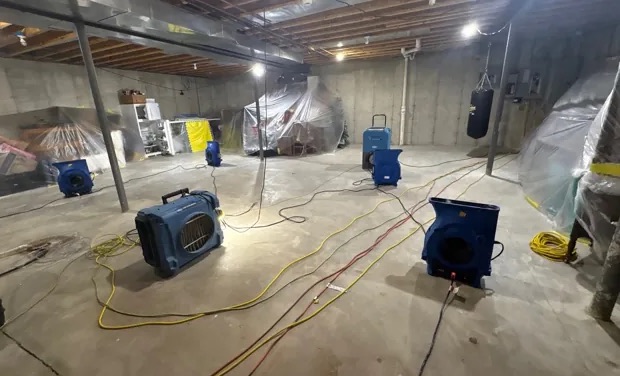
Local Basement Water Damage Restoration Near Franklin
Basements collect water from every direction: rain seeping through walls, groundwater pushing up through the slab, sewage backing up through floor drains and pipes bursting overhead. In a Franklin home with a basement or below-grade room, any of these can leave inches of water on the floor.
Homeowners in Franklin can call (513) 854-7491 day or night when water is rising in the basement. Service also covers Springboro, Middletown and Monroe, with the same pumping and drying steps.
Basement Water Damage Restoration Solutions Available in Franklin
Basement Drying Services
Drying a basement takes longer than drying an upper floor because the air is cool and the concrete holds moisture.
Emergency Basement Flood Cleanup
Emergency cleanup starts with stopping the source where possible, checking for electrical hazards and pumping out the water.
Basement Mold Prevention
After drying, an antimicrobial can be applied to framing and concrete that were wet, to slow mold on surfaces that stay in place.
Basement Dehumidification
Dehumidification continues until humidity and material readings are normal. Turning it off too early lets moisture return.
Basement Water Extraction
Basement water is removed before drying starts, because every gallon left behind keeps the walls and air damp.
Indicators for Basement Water Damage Restoration in Franklin
Rusted Appliances or Pipes
Rust on the water heater, furnace base or pipes points to repeated moisture or past flooding.
Sump Pump Failure or Overflow
A sump pump that runs constantly, fails to start or lets the pit overflow puts the basement at risk.
Damp or Musty Odors
A damp, earthy or musty smell in the basement often means hidden moisture in walls, carpet or the slab.
Standing Water in the Basement
Any standing water on the basement floor needs pumping right away, before it soaks walls and framing.
How Basement Water Damage Restoration Works in Franklin
Step 1: Floodwater Pump-Out
Submersible pumps remove deep water, and electrical hazards are checked before anyone walks in it.
Step 2: Deep Moisture Extraction
Extractors pull water from carpet, pad and the concrete floor after the deep water is gone.
Step 3: Air Circulation and Drying
Air movers keep dry air moving across walls and floors throughout the basement.
Step 4: Dehumidification and Verification
Dehumidifiers run until humidity and material readings confirm the basement is dry.
Why Basement Water Damage Occurs in Franklin
Failed or Clogged Drain Tile
Clogged or collapsed drain tile around the foundation lets water build up against the walls.
Foundation Cracks and Leaks
Cracks in foundation walls let groundwater and melting snow seep into the basement.
Sump Pump Mechanical Failure
A sump pump that fails, loses power or is too small lets groundwater rise into the basement.
High Water Table and Hydrostatic Pressure
A high water table pushes groundwater up through the slab and into the joints between wall and floor.
Basement Water Damage Restoration for Homes and Businesses in Franklin
Residential Basement Water Damage Restoration
A sewer backup in a home basement needs contaminated carpet, pad and drywall removed and every hard surface disinfected before drying.
Commercial Basement Water Damage Restoration
In restaurants and stores with basements, sewage backups need fast containment so contamination does not reach food or customer areas.
Basement Water Damage Restoration vs. DIY: When to Call the Pros
Fans alone can push damp air into the rest of the house. Basement drying needs dehumidifiers to pull the moisture out of the air and the concrete.
What Influences Basement Water Damage Restoration Cost in Franklin
In Franklin, basement jobs often run longer than upper-floor jobs because concrete dries slowly. Equipment days make up much of the bill.
Access Complexity
Narrow stairs, low ceilings and stored contents can make the work slower.
Drying Time Required
Basements dry slowly, and longer drying means more equipment days and monitoring visits.
Material Saturation
Finished basements with carpet, drywall and insulation take more removal work than bare concrete.
Does Insurance Cover Basement Water Damage Restoration?
Coverage for groundwater seepage and backups varies widely between policies. Ask your adjuster whether your policy includes it before work begins.
The Value of Local Pros for Basement Water Damage Restoration in Franklin
Structural Integrity Assessment
Walls, stairs and framing are checked for damage before work begins in the basement.
Mold Prevention Focus
Fast drying is the main way to limit microbial growth in a below-grade space.
Industry Drying Standards
Drying follows industry water damage standards, with readings taken at every visit.
Emergency Basement Water Damage Restoration Available in Franklin
Every hour of standing water in a basement means more drywall and flooring to replace. Call (513) 854-7491 for basement water damage restoration in Franklin.
Call Now (513) 854-7491Local Basement Water Damage Restoration Coverage: Franklin and Beyond
Help with basement water damage restoration reaches Springboro, Middletown and Monroe, plus other communities around Franklin, for finished and unfinished basements alike.
- Basement Water Damage Restoration in Springboro
- Basement Water Damage Restoration in Middletown
- Basement Water Damage Restoration in Monroe
- Basement Water Damage Restoration in Trenton
- Basement Water Damage Restoration in Lebanon
- Basement Water Damage Restoration in Kettering
- Basement Water Damage Restoration in Mason
- Basement Water Damage Restoration in West Chester Township
- Emergency Damage Restoration in 45005
- Storm Damage Restoration in 45005
- Water Damage Restoration in 45005
- Water Extraction Service in 45005
- Water Leak Detection in 45005
- Water Removal Service in 45005
Basement Water Damage Restoration Common Questions Answered
How is basement restoration documented for insurance?
With photos of the water level and damage, moisture readings, a list of removed materials and daily drying logs.
Why is dehumidification so important after basement water removal?
Basements hold moisture in the air and concrete. Without dehumidifiers, walls and framing stay damp long after the water is gone.
Should I try below-grade waterproofing myself after flooding?
Sealing a small crack can be a DIY job, but drying must come first, and larger waterproofing work should go to a contractor.
What does below-grade moisture removal include beyond pumping?
Extracting carpet and pad, opening wet walls, running air movers and dehumidifiers, and checking readings until dry.
What causes the most common below-grade leaks in homes?
Sump pump failures, foundation cracks, clogged drain tile, sewer backups and burst pipes in the basement ceiling.