Independence, KY · Kenton County
Basement Water Damage Restoration in Independence, KYBasement Sewer Backup Cleanup & Basement Water Extraction
Basement Water Damage Restoration in Independence runs from basement water extraction and basement floor water removal to basement dehumidification.
Answered 24/7
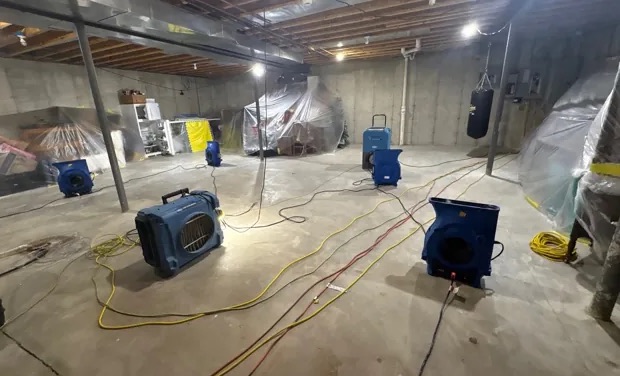
Basement Water Damage Restoration for Independence Homes
Water in a basement does not stay on the floor. It wicks up drywall, soaks insulation and seeps into wood framing. In Independence, a few inches of water can damage walls up to two feet high.
In Independence, a home with a basement or below-grade room can flood after heavy rain or a blocked sewer line. Local water damage pros serve Independence, Taylor Mill, Edgewood and Elsmere, pumping out water and drying finished and unfinished spaces.
Complete Basement Water Damage Restoration for Independence
Basement Sewer Backup Cleanup
Porous materials touched by sewage, such as carpet, pad and lower drywall, are removed. Concrete and framing are cleaned and disinfected.
Basement Water Extraction
Basement water is removed before drying starts, because every gallon left behind keeps the walls and air damp.
Basement Dehumidification
A basement with no moisture problem before the flood may still need a dehumidifier afterward while the concrete dries.
Basement Mold Prevention
After drying, an antimicrobial can be applied to framing and concrete that were wet, to slow mold on surfaces that stay in place.
Emergency Basement Flood Cleanup
A flooded basement can damage furnaces, water heaters and stored items quickly. Fast pumping limits how much is lost.
Warning Signs You Need Basement Water Damage Restoration
Efflorescence on Concrete Walls
White, chalky deposits on concrete walls mean water is moving through the concrete and leaving minerals behind.
Warped or Buckling Basement Floors
Laminate, wood or vinyl flooring that buckles or lifts in the basement has water underneath.
Damp or Musty Odors
A damp, earthy or musty smell in the basement often means hidden moisture in walls, carpet or the slab.
Sump Pump Failure or Overflow
A sump pump that runs constantly, fails to start or lets the pit overflow puts the basement at risk.
How Basement Water Damage Restoration Works in Independence
Step 1: Source Control and Extraction
The pipe is shut off, the sump restarted or the backup stopped, then the water is pumped out.
Step 2: Structural Drying Setup
Lower drywall is removed where soaked, and equipment is placed to dry wall cavities and the slab.
Step 3: Contaminant Removal
Materials touched by sewage or dirty water are removed and hard surfaces are cleaned and disinfected.
Step 4: Monitoring and Completion
Daily readings track drying until every material is normal, then equipment is removed.
Frequent Sources of Water Damage in Independence
Plumbing Pipe Bursts or Leaks
Supply lines and drain pipes in basement ceilings can crack or burst onto the floor below.
High Water Table and Hydrostatic Pressure
A high water table pushes groundwater up through the slab and into the joints between wall and floor.
Clogged Floor Drains
A floor drain blocked by debris cannot carry off water from a leak or overflow, so it spreads across the basement floor.
Failed or Clogged Drain Tile
Clogged or collapsed drain tile around the foundation lets water build up against the walls.
Residential and Commercial Basement Water Damage Restoration in Independence
Residential Basement Water Damage Restoration
In homes, a flooded basement often means damaged carpet, drywall, a furnace or water heater and stored belongings. Water is pumped out, contents are moved and the space is dried.
Commercial Basement Water Damage Restoration
In commercial buildings, basements hold mechanical rooms, storage and sometimes offices. Water is removed and equipment areas are dried so systems can be checked and restarted.
Basement Water Damage Restoration vs. DIY: When to Call the Pros
Fans alone can push damp air into the rest of the house. Basement drying needs dehumidifiers to pull the moisture out of the air and the concrete.
What Influences Basement Water Damage Restoration Cost in Independence
The cost of basement water damage restoration in Independence depends on how much water there is, whether it is clean or sewage and how much finished material must be removed.
Water Category
Clean water costs less to handle than sewage, which needs protective gear, removal and disinfection.
Affected Square Footage
Larger basements need more extraction, more drying equipment and more days of drying time.
Dehumidification Needs
Large dehumidifiers may need to run longer in below-grade spaces than in upper floors.
Does Insurance Cover Basement Water Damage Restoration?
Photograph the water level, damaged belongings and appliances before cleanup starts, and keep receipts for emergency pumping and drying to send to your insurer.
Why Choose Local Pros for Basement Water Damage Restoration in Independence
Advanced Moisture Detection
Moisture meters and thermal cameras find water in walls and slabs that looks dry.
Containment Strategies
Plastic sheeting keeps contaminated areas separate from clean parts of the house.
Water Extraction First
Water is removed from floors, carpet and pad before drying starts, which shortens drying time.
24/7 Emergency Basement Water Damage Restoration in Independence
Sewage coming up through a floor drain? Stop using water in the house and call (513) 854-7491 now for basement water damage restoration in Independence.
Call Now (513) 854-7491Local Basement Water Damage Restoration Coverage: Independence and Beyond
Nearby areas served for basement water damage restoration include Taylor Mill, Edgewood and Elsmere, with the same pumping and drying steps used in Independence.
- Basement Water Damage Restoration in Taylor Mill
- Basement Water Damage Restoration in Edgewood
- Basement Water Damage Restoration in Elsmere
- Basement Water Damage Restoration in Walton
- Basement Water Damage Restoration in Florence
- Basement Water Damage Restoration in Covington
- Basement Water Damage Restoration in Erlanger
- Basement Water Damage Restoration in Alexandria
- Emergency Damage Restoration in 41051
- Storm Damage Restoration in 41051
- Water Damage Restoration in 41051
- Water Extraction Service in 41051
- Water Leak Detection in 41051
- Water Removal Service in 41051
FAQ for Basement Water Damage Restoration in Independence
How soon should I call for basement water extraction after a leak?
Right away. Water wicks up drywall and soaks framing within hours, and below-grade spaces are slow to dry.
What is the priority during emergency basement flood cleanup?
Safety first, especially electrical hazards, then stopping the source and pumping out the water as quickly as possible.
What does below-grade moisture removal include beyond pumping?
Extracting carpet and pad, opening wet walls, running air movers and dehumidifiers, and checking readings until dry.
What equipment is used for below-grade water damage repair?
Submersible pumps, extractors, air movers, large dehumidifiers, moisture meters and air scrubbers for dust and odor.
What are signs of hidden moisture after below-grade water extraction?
Musty smells, tide lines on walls, damp carpet edges and moisture readings that stay high in walls or the slab.