Taylor Mill, KY · Kenton County
Basement Water Damage Restoration in Taylor Mill, KYBasement Drying Services & Emergency Basement Flood Cleanup
Basement Water Damage Restoration in Taylor Mill includes emergency basement flood cleanup, basement sewer backup cleanup and basement wall drying.
Answered 24/7
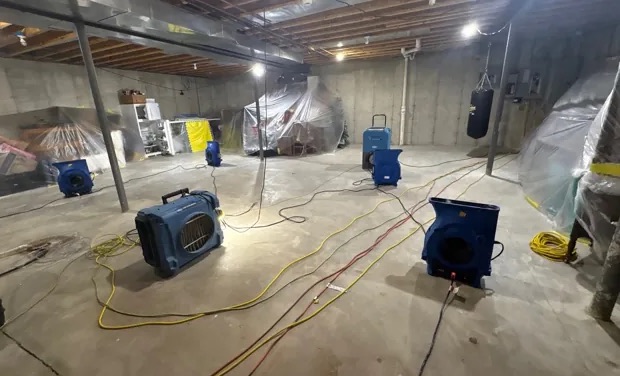
Basement Water Damage Restoration Solutions in Taylor Mill, Kentucky
Basement Water Damage Restoration in Taylor Mill covers finished and unfinished basements. A bare concrete basement can often be pumped and dried. A finished one usually needs carpet, pad and lower drywall removed so the walls and slab can dry.
Homes in Taylor Mill and nearby Cold Spring, Independence and Edgewood with basements deal with seepage, plumbing leaks and sewer backups. Help with basement water damage restoration covers pumping, removal of wet materials and drying of walls and concrete.
Basement Water Damage Restoration Services in Taylor Mill
Basement Drying Services
Air movers and dehumidifiers are placed to dry walls, framing and the slab. Below-grade rooms dry slowly, so readings are taken daily.
Emergency Basement Flood Cleanup
A flooded basement can damage furnaces, water heaters and stored items quickly. Fast pumping limits how much is lost.
Basement Floor Water Removal
Wet carpet pad is removed from basement floors, since it holds water against the concrete and dries poorly.
Basement Wall Drying
Wet drywall is cut back above the water line when it is soaked, and the wall cavity and insulation behind it are dried or replaced.
Basement Water Extraction
Basement water is removed before drying starts, because every gallon left behind keeps the walls and air damp.
Signs of Basement Water Damage in Taylor Mill
Rusted Appliances or Pipes
Rust on the water heater, furnace base or pipes points to repeated moisture or past flooding.
Sewage Odors or Backups
Sewage smells or water coming up through a floor drain mean the sewer line is backing up.
High Humidity Levels Below-Grade
A basement that stays damp and clammy even on dry days has a moisture source that needs attention.
Sump Pump Failure or Overflow
A sump pump that runs constantly, fails to start or lets the pit overflow puts the basement at risk.
How Basement Water Damage Restoration Works in Taylor Mill
Step 1: Water Removal
Pumps and extractors remove standing water from the basement floor, starting at the lowest point.
Step 2: Targeted Moisture Evaporation
Air movers are aimed at wet walls, framing and the slab to speed evaporation.
Step 3: Humidity Control
Large dehumidifiers pull moisture from the basement air, with readings checked every day.
Step 4: Final Verification and Restoration
Final readings confirm the basement is dry, and the space is ready for drywall and flooring repairs.
Frequent Sources of Water Damage in Taylor Mill
Overland Flooding From Storms
Heavy storms and snowmelt can send surface water into basements through doors and walls.
Clogged Floor Drains
A floor drain blocked by debris cannot carry off water from a leak or overflow, so it spreads across the basement floor.
Plumbing Pipe Bursts or Leaks
Supply lines and drain pipes in basement ceilings can crack or burst onto the floor below.
Sewer Line Backups
A blocked or overloaded sewer line pushes wastewater up through basement drains and toilets.
Residential and Commercial Basement Water Damage Restoration in Taylor Mill
Residential Basement Water Damage Restoration
Homeowners with older basements may have seepage that returns with each storm. Drying fixes the current damage, and the source is noted for a waterproofing contractor.
Commercial Basement Water Damage Restoration
Apartment and condo buildings with shared basements or lower levels may have laundry and storage below grade. Each area is extracted, dried and recorded for the building manager.
Basement Water Damage Restoration vs. DIY: When to Call the Pros
Fans alone can push damp air into the rest of the house. Basement drying needs dehumidifiers to pull the moisture out of the air and the concrete.
Cost Considerations for Basement Water Damage Restoration in Taylor Mill
Before pricing basement water damage restoration in Taylor Mill, the pros check the water depth, the type of water and what the basement is finished with.
Affected Square Footage
Larger basements need more extraction, more drying equipment and more days of drying time.
Dehumidification Needs
Large dehumidifiers may need to run longer in below-grade spaces than in upper floors.
Emergency Service
Night, weekend and storm calls can cost more than a scheduled visit.
Does Insurance Cover Basement Water Damage Restoration?
Flood damage from rising outside water usually needs flood insurance. Water from inside the home, like a broken pipe, is more often covered.
The Value of Local Pros for Basement Water Damage Restoration in Taylor Mill
Water Extraction First
Water is removed from floors, carpet and pad before drying starts, which shortens drying time.
Industrial-Grade Equipment
Pumps, extractors and large dehumidifiers remove water much faster than household wet vacs and fans.
Mold Prevention Focus
Fast drying is the main way to limit microbial growth in a below-grade space.
Emergency Basement Water Damage Restoration Available in Taylor Mill
If water is near outlets or the electrical panel, do not walk into it. Call (513) 854-7491 for help in Taylor Mill and wait for the power to be made safe.
Call Now (513) 854-7491Basement Water Damage Restoration Serving Taylor Mill, Cold Spring, Independence and Edgewood
Help with basement water damage restoration reaches Cold Spring, Independence and Edgewood, plus other communities around Taylor Mill, for finished and unfinished basements alike.
- Basement Water Damage Restoration in Cold Spring
- Basement Water Damage Restoration in Independence
- Basement Water Damage Restoration in Edgewood
- Basement Water Damage Restoration in Fort Mitchell
- Basement Water Damage Restoration in Erlanger
- Basement Water Damage Restoration in Covington
- Basement Water Damage Restoration in Fort Thomas
- Basement Water Damage Restoration in Newport
- Emergency Damage Restoration in 41015
- Storm Damage Restoration in 41015
- Water Damage Restoration in 41015
- Water Extraction Service in 41015
- Water Leak Detection in 41015
- Water Removal Service in 41015
Frequently Asked Questions About Basement Water Damage Restoration
Does basement mold prevention need special steps after flooding?
Fast drying is the main step. Wood and concrete that stayed wet can be treated with an antimicrobial once dry.
What health risks come with delayed basement flood cleanup?
Standing water and wet materials can support bacteria and microbial growth, and sewage carries contaminants that need disinfection.
What are signs of hidden moisture after below-grade water extraction?
Musty smells, tide lines on walls, damp carpet edges and moisture readings that stay high in walls or the slab.
Why is dehumidification so important after basement water removal?
Basements hold moisture in the air and concrete. Without dehumidifiers, walls and framing stay damp long after the water is gone.
What does below-grade moisture removal include beyond pumping?
Extracting carpet and pad, opening wet walls, running air movers and dehumidifiers, and checking readings until dry.