Lawrenceburg, IN · Dearborn County
Clean Water Extraction (Category 1) in Lawrenceburg, INAppliance Leak Water Cleanup & Ceiling Leak Water Removal
Clean Water Extraction (Category 1) in Lawrenceburg covers standing water pump out, wet carpet water extraction and hard surface floor drying.
Answered 24/7
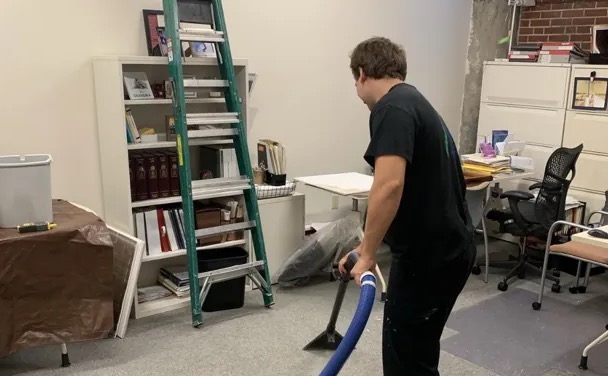
Clean Water Extraction (Category 1) Solutions in Dearborn County
In Lawrenceburg, the most common Category 1 leaks come from washing machine hoses, water heaters, refrigerator water lines and sink or toilet supply lines. Each can release a lot of water quickly.
Homeowners in Lawrenceburg can call (513) 854-7491 day or night when clean water floods a room. Service also covers Greendale, Aurora and Francisville, with the same extraction and drying steps.
Clean Water Extraction (Category 1) Methods Used in Lawrenceburg
Appliance Leak Water Cleanup
Clean appliance water dried quickly usually leaves cabinets and flooring in good shape. Readings confirm when the area is dry.
Ceiling Leak Water Removal
Clean water dripping through a ceiling from a pipe or fixture above is drained, and wet drywall and insulation are removed where needed.
Hard Surface Floor Drying
Tile, sealed concrete and hardwood are squeegeed and extracted, then dried with air movers. Grout lines and seams are checked for water underneath.
Wet Carpet Water Extraction
Clean water in carpet is pressed out with weighted extraction tools. Because the water is clean, the carpet can often be dried and kept.
Emergency Water Mitigation
Mitigation is everything done to stop the damage from growing: shutting off the water, extracting it, moving belongings and starting drying.
Warning Signs of Water Damage in Lawrenceburg
Damp or Soft Drywall
Drywall that feels soft or damp near the floor has wicked up water from a leak.
Puddles in Unused Rooms
Water appearing in rooms no one uses often comes from a hidden supply line leak inside a wall or under a floor.
Furniture in Wet Areas
Furniture sitting in wet areas can stain carpet and swell at the legs, and should be moved or blocked up.
Water Around Appliances
Water around the washer, water heater, dishwasher or refrigerator points to a failing hose or fitting.
How Clean Water Extraction (Category 1) Works in Lawrenceburg
Step 1: Emergency Water Inspection
The source and type of water are confirmed, and the wet area is mapped with moisture meters.
Step 2: Standing Water Pump Out
Deep water is pumped out, and floors are extracted once the water is shallow enough.
Step 3: Targeted Moisture Removal
Carpet, hard floors and wall bases are extracted and dried with directed airflow.
Step 4: Drying Verification and Documentation
Daily readings track drying, and a final log confirms the area is back to normal.
What Causes Water Damage in Lawrenceburg Homes
Hydrostatic Pressure in Slabs
Groundwater pressure under a slab can push clean water up through cracks in the floor.
Roof Leaks From Rain
Rain entering through a roof leak is usually clean when it first reaches the ceiling and floor.
Appliance Malfunctions
Washers, dishwashers and refrigerators fail at hoses and fittings and leak onto the floor.
Supply Line Breaks
Toilet, faucet and appliance supply lines split or loosen and release water under pressure.
Clean Water Extraction (Category 1) for Homes and Businesses in Lawrenceburg
Residential Clean Water Extraction (Category 1)
In two-story homes, a clean water leak upstairs often reaches the ceiling below. Both levels are extracted and dried.
Commercial Clean Water Extraction (Category 1)
Warehouses and large spaces may need extra pumps and dehumidifiers for open floors, sized to the area that got wet.
The Risks of DIY Clean Water Extraction (Category 1) in Lawrenceburg
A shop vac can help with shallow water on hard floors, but it cannot press water out of carpet pad or dry wall cavities. Call (513) 854-7491 for extraction and drying.
Understanding Clean Water Extraction (Category 1) Cost in Lawrenceburg
In Lawrenceburg, clean water jobs usually cost less than dirty water jobs, because more carpet, drywall and flooring can be dried in place.
Emergency Service Timing
Night, weekend and holiday calls can cost more than a scheduled weekday visit.
Drying Time Duration
Drying usually takes a few days, and each extra day adds equipment time to the total.
Access and Complexity
Crawl spaces, tight closets and areas under cabinets take more work to reach and dry.
Does Insurance Cover Clean Water Extraction (Category 1)?
The failed appliance or pipe itself is often not covered, even when the water damage is. Ask your adjuster how your policy treats each.
Benefits of Local Clean Water Extraction (Category 1) in Lawrenceburg, IN
Moisture Detection
Meters and thermal cameras find clean water hidden under floors and inside walls.
Detailed Damage Documentation
Photos, readings and drying logs are kept to support your insurance claim.
Industry Drying Standards
Drying follows industry water damage standards, with readings taken at every visit.
Emergency Clean Water Extraction (Category 1) Response for Lawrenceburg
Water spreading from a pipe or appliance in Lawrenceburg? Shut off the water, move belongings and call (513) 854-7491. Help is available 24/7.
Call Now (513) 854-7491Clean Water Extraction (Category 1) for Lawrenceburg and Surrounding Communities
Nearby areas served for clean water extraction (category 1) include Greendale, Aurora and Francisville, with the same extraction and drying steps used in Lawrenceburg.
- Clean Water Extraction (Category 1) in Greendale
- Clean Water Extraction (Category 1) in Aurora
- Clean Water Extraction (Category 1) in Francisville
- Clean Water Extraction (Category 1) in Burlington
- Clean Water Extraction (Category 1) in Rising Sun
- Clean Water Extraction (Category 1) in Harrison
- Clean Water Extraction (Category 1) in Green Township
- Clean Water Extraction (Category 1) in Mack
- Emergency Damage Restoration in 47025
- Storm Damage Restoration in 47025
- Water Damage Restoration in 47025
- Water Extraction Service in 47025
- Water Leak Detection in 47025
- Water Removal Service in 47025
Clean Water Extraction (Category 1) Information and FAQs
How long does clean water damage cleanup take?
Extraction takes hours, and drying usually takes a few days, depending on materials and how long the water sat.
Are air movers and dehumidifiers always necessary?
For anything beyond a small surface spill, yes. The pros dry the water that soaked into carpet, walls and subfloors.
What causes Category 1 water to become contaminated?
Time and contact. Water sitting for days, or running across dirty floors, picks up contaminants and can become Category 2.
How is moisture detected after water extraction?
Moisture meters and thermal cameras check floors, walls and ceilings, comparing readings to dry, unaffected areas.
What methods are used for water behind walls?
Small holes or removed baseboards let air into the cavity, wet insulation is removed and the wall is dried until readings are normal.