Lawrenceburg, IN · Dearborn County
Moisture Mapping in Lawrenceburg, INWall Cavity Moisture Mapping & Subfloor Moisture Inspection
Moisture Mapping services in Lawrenceburg cover wall cavity moisture mapping, subfloor moisture inspection, and post-flood moisture assessment.
Answered 24/7
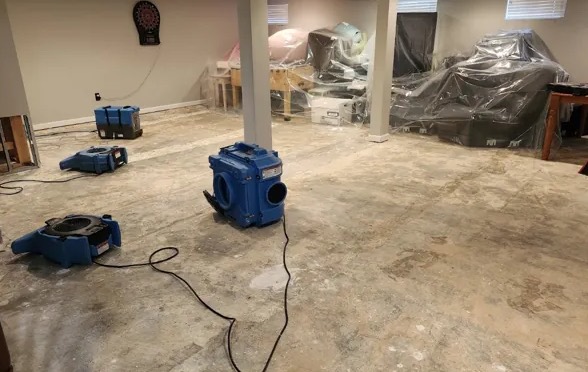
Professional Moisture Mapping in Lawrenceburg, IN
Accurate mapping directly informs and guides all subsequent drying equipment placement and repair work, making it a foundational service for any successful restoration project.
Moisture mapping in Lawrenceburg helps identify hidden water damage through thermal imaging and moisture meter readings. Available in Lawrenceburg and areas like Greendale, Aurora and Francisville, these services support effective water damage assessment and drying verification.
Moisture Mapping Methods Used in Lawrenceburg
Wall Cavity Moisture Mapping
Accurate wall cavity moisture readings ensure drying equipment is placed correctly. Local restoration pros in Lawrenceburg document these readings to support the necessity of repairs for insurance purposes.
Subfloor Moisture Inspection
Moisture mapping under flooring prevents warping, cupping, and mold. This inspection is often needed after appliance leaks or slab leaks in properties throughout Lawrenceburg.
Condensation Damage Evaluation
The pros evaluate and map moisture damage caused by chronic condensation, often in bathrooms or closets. This identifies areas at long-term risk for mold and material degradation.
Post-Flood Moisture Assessment
After a flood, a comprehensive moisture assessment maps water saturation throughout the structure. The pros establish drying goals and monitor progress based on this initial critical data.
Thermal Imaging Moisture Detection
Using thermal imaging, the pros in Lawrenceburg can identify condensation issues and plumbing leaks behind finished surfaces. This technology is a standard part of a thorough water damage assessment.
Indicators for Moisture Mapping in Lawrenceburg
Discoloration on Walls or Ceilings
Yellow, brown or dark stains on walls or ceilings often mean a slow leak behind the surface.
Visible Mold or Mildew Growth
Mold spots on walls or ceilings mean moisture has been there for days, often from a hidden leak.
Warped or Buckling Flooring
Floorboards or tiles that lift or bend are a classic sign of subfloor moisture requiring immediate inspection.
Soft or Spongy Drywall
Drywall that feels soft to the touch has absorbed water and may conceal a larger leak source.
How Moisture Mapping Works in Lawrenceburg
Step 1: Emergency Water Damage Assessment
After a water event, pros check the property to find every area that needs mapping.
Step 2: Comprehensive Moisture Detection
The pros use meters and thermal cameras across walls, floors and ceilings to find every wet area.
Step 3: Post-Flood Moisture Assessment
A specific post-flood moisture assessment is done to evaluate saturation levels and plan for effective structural drying procedures.
Step 4: Structural Drying Verification
After drying efforts, structural drying verification is performed to confirm all mapped areas have returned to acceptable moisture levels.
Why Lawrenceburg Homes Need Moisture Mapping
Poor Ventilation and Condensation
Poor airflow in bathrooms, kitchens or attics lets condensation build up on walls and framing.
HVAC System Issues
Malfunctioning air conditioners or humidifiers can add moisture that soaks ductwork and walls unseen.
Foundation Cracks and Seepage
Cracks in the foundation or slab can permit groundwater intrusion, leading to persistent subfloor moisture problems.
Appliance Malfunctions and Overflows
Failing water heaters, washing machines, or dishwasher hoses can cause significant flooding and hidden water damage.
Residential and Commercial Moisture Mapping in Lawrenceburg
Residential Moisture Mapping
In homes, moisture mapping is crucial after any water event. The pros use thermal imaging moisture detection to find hidden dampness in walls and under floors.
Commercial Moisture Mapping
For businesses, hidden moisture can disrupt operations and damage stock. The pros check subfloors and map the affected areas after a flood.
Professional Moisture Mapping or DIY in Lawrenceburg?
You can visually inspect accessible areas for obvious signs of water, like puddles or stains, and wipe up surface water promptly. Ensure the area is well-ventilated by opening windows if it is safe to do so.
What Affects Moisture Mapping Pricing in Lawrenceburg
Moisture mapping expenses in Lawrenceburg vary based on the need for specialized tools like deep-wall probes, the extent of documentation provided, and the number of distinct areas requiring assessment.
Property Square Footage
Larger homes take longer to check room by room, which adds time and cost.
Time of Response
Emergency post-flood moisture assessments conducted outside standard hours may involve different service scheduling considerations.
Technology Required
Employing advanced thermal imaging for roof leak tracing or deep detection may involve higher equipment operation costs.
Does Insurance Cover Moisture Mapping?
Following a flood, a post-flood moisture assessment could be an eligible expense under certain water damage policies. You should review this documentation with your insurer to determine your specific coverage.
The Value of Local Moisture Mapping in Lawrenceburg
Comprehensive Moisture Reports
Detailed maps and moisture meter readings provide clear evidence of affected areas for your review and insurance documentation.
Wall Cavity Mapping
Mapping inside walls finds water trapped in cavities, where it can cause rot and mold without showing on the surface.
Advanced Thermal Imaging
Thermal imaging finds hidden water without needless demolition of walls or floors.
24/7 Emergency Moisture Mapping in Lawrenceburg
A pipe leak or flood needs a moisture check right away. Dial (513) 854-7491 for an emergency moisture assessment and dryness checks from the experts on standby.
Call Now (513) 854-7491Moisture Mapping Coverage in Lawrenceburg, Greendale, Aurora and Francisville
Residents in Lawrenceburg and nearby areas like Greendale, Aurora and Francisville can access detailed moisture inspection and thermal imaging for hidden water issues in their properties.
- Moisture Mapping in Greendale
- Moisture Mapping in Aurora
- Moisture Mapping in Francisville
- Moisture Mapping in Burlington
- Moisture Mapping in Rising Sun
- Moisture Mapping in Harrison
- Moisture Mapping in Green Township
- Moisture Mapping in Mack
- Emergency Damage Restoration in 47025
- Storm Damage Restoration in 47025
- Water Damage Restoration in 47025
- Water Extraction Service in 47025
- Water Leak Detection in 47025
- Water Removal Service in 47025
Moisture Mapping FAQs
How often should moisture inspection occur?
Routine moisture inspection isn't typical; it's performed reactively after leaks or floods, or proactively if you suspect hidden issues like persistent odors or unexplained stains.
Why is wall cavity moisture mapping important?
Water trapped inside walls can cause rot and mold without any visible sign. Meters find it where a visual check cannot.
What does a moisture mapping report include?
The report includes annotated floor plans showing wet areas, moisture meter data logs, thermal images, photos of damage, and recommendations for drying or repair based on the water damage assessment.
What happens during a post-flood moisture assessment?
The pros take meter readings and thermal scans across the affected areas and record the results. These readings become the baseline for the drying plan.
What tools are used for moisture meter reading?
Professionals use non-penetrating sensors for surface scans and penetrating probes for deep material checks, providing quantitative moisture content readings in wood, drywall, and concrete.