Reading, OH · Hamilton County
Concrete Water Damage Restoration in Reading, OHDriveway Water Damage Restoration & Sidewalk Water Damage Cleanup
Concrete Water Damage Restoration in Reading covers concrete slab water extraction, concrete foundation drying and flooded garage concrete cleanup.
Answered 24/7
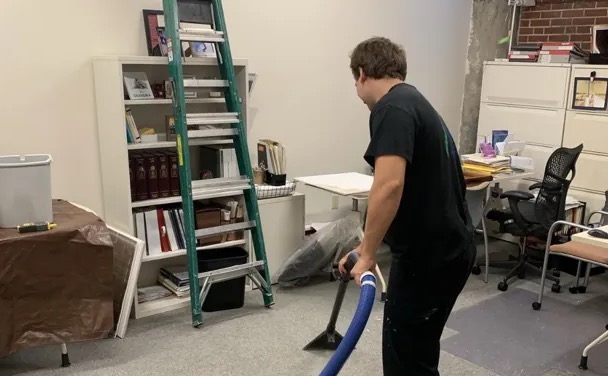
Concrete Water Damage Restoration You Can Trust in Reading
Concrete Water Damage Restoration in Reading often starts in the garage. Water heaters, washers and rain under the door spread water across the slab and into the base of the walls.
Property owners in Reading can call (513) 854-7491 day or night when water reaches a slab floor or garage. Service also covers Wyoming, Deer Park and Sharonville, with the same steps.
Comprehensive Concrete Water Damage Restoration in Reading
Driveway Water Damage Restoration
Cracked or sunken driveway sections that send water toward the house are noted for a concrete contractor.
Sidewalk Water Damage Cleanup
Sunken or cracked sidewalk sections that trap water or send it toward the building are noted for repair.
Concrete Crack Seepage Repair
Water seeping through cracks in a slab or foundation wall is extracted inside, and the floor and wall bases are dried.
Concrete Foundation Drying
Foundation drying focuses on the concrete and the wood that sits on it, since wood in contact with damp concrete stays wet longest.
Flooded Garage Concrete Cleanup
Garage water from a water heater or washer, or rain under the door, often reaches the drywall at the base of the walls. It is checked and dried.
When to Call for Concrete Water Damage Restoration in Reading
Cracks With Dampness or Staining
Cracks with damp edges or stains around them are letting water through the concrete.
Standing Water on Concrete Slabs
Standing water on a slab floor or garage needs extraction before it soaks into flooring and wall bases.
Efflorescence on Concrete Surfaces
White, powdery deposits on concrete show water moving through it and leaving minerals behind.
Spalling or Concrete Surface Flaking
Concrete surfaces that flake or pop off can be damaged by water that freezes and thaws inside them.
How Concrete Water Damage Restoration Works in Reading
Step 1: Initial Damage Documentation
Photos record the water, the slab and any cracks or drainage problems before work begins.
Step 2: Bulk Water and Debris Removal
Water, mud and debris are cleared from slab floors, garages and entries before drying starts.
Step 3: Structural Drying Techniques
Drying equipment is aimed at the concrete and the wood resting on it until readings drop.
Step 4: Sanitization and Mold Prevention
Surfaces touched by dirty water are cleaned, and wall bases that stayed wet can be treated.
Frequent Sources of Water Damage in Reading
Sprinkler System Misalignment
Irrigation sprinklers aimed at walls and walkways keep concrete and wall bases wet.
Appliance Malfunctions in Garages
Water heaters, washers and AC drains in garages leak onto the concrete floor.
Swimming Pool Leaks and Overflows
Pool overflows and leaks can send water across decks and toward the house.
Plumbing Leaks Under Slabs
Leaking pipes under the slab push water up through cracks and into flooring.
Both Residential and Commercial Concrete Water Damage Restoration in Reading
Residential Concrete Water Damage Restoration
Homeowners often notice water first at the garage or a patio door. The interior is dried and the outside cause is noted.
Commercial Concrete Water Damage Restoration
Property managers with walkways and parking areas get written notes on drainage problems that send water toward their buildings.
Concrete Water Damage Restoration: Professional Help or DIY in Reading
You can move stored items off a wet garage floor, clear debris from drains and take photos. Drying concrete under flooring or along wall bases needs readings and equipment.
Cost Considerations for Concrete Water Damage Restoration in Reading
Concrete dries slowly, so drying equipment days often make up much of the cost of concrete water damage restoration in Reading.
Preventive Measures
Drainage and crack repairs by contractors are separate from water removal and drying.
Slab Type and Condition
Older slabs without vapor barriers can hold more moisture and dry more slowly.
Affected Surface Area
Larger wet concrete areas need more extraction, more equipment and more drying time.
Does Insurance Cover Concrete Water Damage Restoration?
Coverage for concrete water damage restoration depends on the cause and your policy. The pros document the damage and drying, and your insurer decides what is covered.
Benefits of Local Pros for Concrete Water Damage Restoration in Reading
Damage Documentation
Photos, readings and drying logs are kept to support your insurance claim.
Sealing Guidance
Cracks and drainage problems are photographed and noted so the right contractor can fix them.
Concrete Experience
Drying is set up for concrete, which releases water slowly and needs steady dehumidification.
Urgent Concrete Water Damage Restoration Response in Reading
The sooner water is removed from concrete, the less flooring and drywall are lost. Call (513) 854-7491 for concrete water damage restoration in Reading right away.
Call Now (513) 854-7491Areas Served for Concrete Water Damage Restoration Near Reading
Help with concrete water damage restoration reaches Wyoming, Deer Park and Sharonville, plus other communities around Reading, for slab homes, garages and commercial floors.
- Concrete Water Damage Restoration in Wyoming
- Concrete Water Damage Restoration in Deer Park
- Concrete Water Damage Restoration in Sharonville
- Concrete Water Damage Restoration in Blue Ash
- Concrete Water Damage Restoration in Kenwood
- Concrete Water Damage Restoration in Springdale
- Concrete Water Damage Restoration in Forest Park
- Concrete Water Damage Restoration in Finneytown
FAQ for Concrete Water Damage Restoration Services
Are there different methods for patio slab drying versus a driveway?
Both dry outdoors on their own. The work on each focuses on water that entered the house and the drainage that caused it.
How is concrete mold prevention achieved after water damage?
By drying the slab and the materials on it quickly and treating wall bases and sill plates that stayed wet.
When is basement floor water extraction needed?
Whenever water is standing on a basement slab or soaking flooring and wall bases after seepage or a leak.
What happens during concrete slab water removal for a garage?
Stored items are moved, water is extracted, the slab and wall bases are dried and oil or debris is cleaned up.
How does concrete slab water extraction work?
Standing water is pumped or extracted, flooring that traps water is lifted, and the slab is dried with dehumidifiers and air movers.