Falmouth, KY · Pendleton County
Desiccant Dehumidification in Falmouth, KYMold Prevention Drying & Basement Dehumidification
Desiccant Dehumidification in Falmouth covers flood drying services, crawl space drying and emergency dehumidification.
Answered 24/7
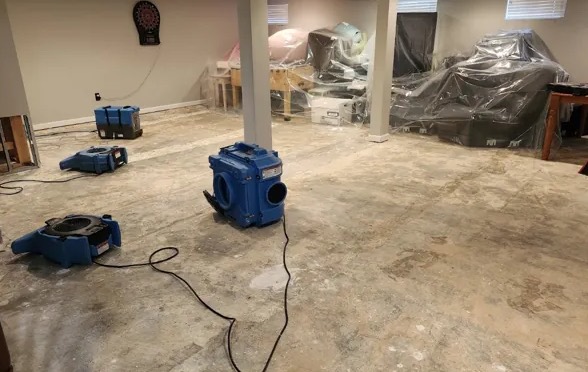
Local Desiccant Dehumidification Services for Falmouth
Large commercial buildings in Falmouth can hold a lot of moisture after a flood or sprinkler leak. High-capacity desiccant units can dry large volumes of air.
Property owners in Falmouth can call (513) 854-7491 day or night when water damage needs drying. Service also covers Williamstown, Moscow and Dry Ridge, with equipment sized to the space.
Desiccant Dehumidification Methods Used in Falmouth
Mold Prevention Drying
Drying continues until readings on the remaining framing are normal, before walls are closed up again.
Basement Dehumidification
Basement concrete and framing release water slowly. Desiccant drying keeps humidity low so they can dry in a reasonable time.
Flood Drying Services
After floodwater is pumped out, desiccant dehumidifiers can bring the air to very low humidity, which pulls moisture out of walls, floors and framing faster.
Crawl Space Drying
Crawl spaces are cool and damp, which suits desiccant units. Dry air is pushed in to pull moisture from the joists and subfloor.
Emergency Dehumidification
Emergency dehumidification starts as soon as standing water is removed, which limits swelling, warping and odor.
Symptoms Requiring Desiccant Dehumidification in Falmouth
Peeling Paint or Wallpaper
Paint or wallpaper that peels after a leak has moisture behind it that has not dried.
Active Mold Spots
Dark spots appearing on walls or ceilings mean materials stayed damp long enough for mold.
Musty Smell in Stored Items
Boxes and fabrics that smell musty show the space has stayed damp too long.
High Humidity Readings on Meter
A hygrometer that keeps reading high humidity days after a leak shows the space is not drying.
How Desiccant Dehumidification Works in Falmouth
Step 1: First Call and Setup
Help is available any hour, and drying equipment is set up as soon as standing water is removed.
Step 2: Dry Air Environment
The space is closed off so dehumidifiers can bring humidity down quickly.
Step 3: Continuous Moisture Removal
Equipment runs around the clock, pulling moisture from walls, floors and framing.
Step 4: Restoration Verification
Readings are compared to unaffected dry areas before any equipment is removed from the site.
Origins of Dampness and Desiccant Dehumidification in Falmouth Buildings
Foundation Cracks and Seepage
Foundation cracks let groundwater seep into lower levels, keeping walls and floors damp.
Poor Ventilation in Enclosed Areas
Closed, poorly ventilated spaces trap moisture and dry very slowly after water damage.
Appliance Malfunctions and Overflows
Washers, dishwashers and water heaters that leak leave wet floors, cabinets and walls.
Roof Leaks From Damaged Shingles
Roof leaks from damaged shingles soak attic insulation, roof decking and the ceilings below.
House & Business Desiccant Dehumidification in Falmouth, KY
Residential Desiccant Dehumidification
Homes with wet attics after roof leaks may need attic drying equipment placed carefully on boards for safe footing.
Commercial Desiccant Dehumidification
Schools, offices and medical buildings may schedule equipment setup and removal after hours to limit disruption to staff and visitors.
The Limits of DIY Desiccant Dehumidification in Falmouth
Rented desiccant units need correct setup and ducting to work well. If you are unsure how to place them or when materials are dry, call (513) 854-7491.
Understanding Desiccant Dehumidification Expenses in Falmouth
Large commercial buildings and construction sites in Falmouth may need high-capacity units and ducting, which affects the total.
Time of Response
Night, weekend and holiday setup can cost more than a scheduled weekday visit.
Access and Complexity
Crawl spaces, tight areas and large buildings take more effort to set up and monitor.
Duration of Equipment Use
Drying usually takes several days, and each day of equipment use adds to the total.
Does Insurance Cover Desiccant Dehumidification?
Coverage for desiccant dehumidification depends on the cause of the water and your policy. The pros document the drying, and your insurer decides what is covered.
Selecting Local Pros for Desiccant Dehumidification in Falmouth, Kentucky
Large Projects
Large buildings and job sites get drying plans that keep work and business moving.
Desiccant Equipment
Desiccant units are used where they fit, such as cool spaces, crawl spaces and large buildings.
Post-Flood Drying
Floodwater cleanup is followed by drying that continues until readings are normal.
Urgent Desiccant Dehumidification Available in Falmouth
Crawl space or lower level wet after a storm? Call (513) 854-7491 now for desiccant dehumidification in Falmouth before the framing stays damp.
Call Now (513) 854-7491Locations for Desiccant Dehumidification Around Falmouth
Help with desiccant dehumidification is also available in communities near Falmouth, including Williamstown, Moscow and Dry Ridge, for floods, crawl spaces and commercial buildings.
- Desiccant Dehumidification in Williamstown
- Desiccant Dehumidification in Moscow
- Desiccant Dehumidification in Dry Ridge
- Desiccant Dehumidification in Brooksville
- Desiccant Dehumidification in Augusta
- Desiccant Dehumidification in Alexandria
- Desiccant Dehumidification in New Richmond
- Desiccant Dehumidification in Independence
- Emergency Damage Restoration in 41040
- Storm Damage Restoration in 41040
- Water Damage Restoration in 41040
- Water Extraction Service in 41040
- Water Leak Detection in 41040
- Water Removal Service in 41040
Frequently Asked Questions About Desiccant Dehumidification
What is desiccant dehumidification used for?
Drying spaces after water damage where standard dehumidifiers struggle, such as cool crawl spaces, large buildings and dense materials.
How are moisture levels monitored during drying?
With hygrometers for air and moisture meters for drywall, wood and concrete, checked every day.
Why use desiccant drying after a fire?
Firefighting water soaks large areas, and high-capacity drying helps remove that moisture once debris is cleared.
What equipment is used for commercial building drying?
High-capacity desiccant or refrigerant dehumidifiers, air movers, moisture meters and sometimes ducting to direct dry air.
How do rapid drying methods protect my property?
They dry materials before they swell, warp or grow microbes, which keeps repairs smaller.