Taylor Mill, KY · Kenton County
Desiccant Dehumidification in Taylor Mill, KYWater Damage Dehumidification & Construction Drying Services
After a flood, Desiccant Dehumidification in Taylor Mill means flood drying services, emergency dehumidification and water damage dehumidification.
Answered 24/7
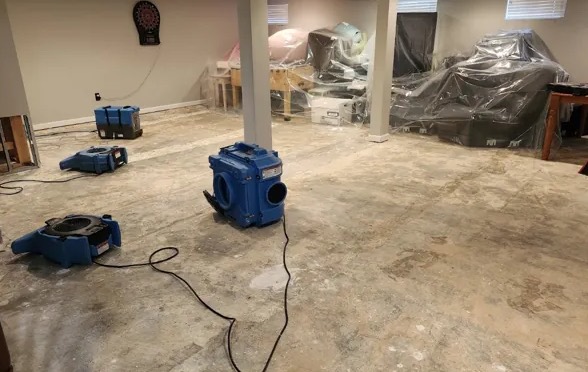
Professional Desiccant Dehumidification in Taylor Mill, KY
Desiccant Dehumidification in Taylor Mill is not needed for every job. Small leaks in warm rooms often dry well with standard dehumidifiers. Cool spaces, large buildings and dense materials are where desiccant units help most.
Homes, job sites and commercial buildings in Taylor Mill and nearby Cold Spring, Independence and Edgewood sometimes need more drying power than standard equipment provides. Help with desiccant dehumidification covers those cases.
Desiccant Dehumidification Methods Used in Taylor Mill
Water Damage Dehumidification
After a leak or flood, dehumidifiers remove moisture from the air so wet drywall, wood and carpet can dry out.
Construction Drying Services
Construction drying speeds up schedules by lowering humidity so slabs and drywall reach the moisture levels flooring and paint need.
Basement Dehumidification
Cool basements are where desiccant units often help most, since they keep removing moisture when the air temperature is low.
Flood Drying Services
Flood drying pairs desiccant units with air movers aimed at wet materials, with readings taken every day until the structure is dry.
Firefighting Water Drying
Firefighting water can soak several rooms at once. Large drying setups remove that moisture so repairs can begin.
Red Flags for Desiccant Dehumidification in Taylor Mill Properties
Recent Water Damage Event
Any recent leak or flood that soaked drywall, flooring or framing needs drying beyond a household unit.
Spongy Drywall or Soft Spots
Drywall that feels soft or spongy has absorbed water and may need removal if it does not dry.
Peeling Paint or Wallpaper
Paint or wallpaper that peels after a leak has moisture behind it that has not dried.
Wet Insulation in Attics or Walls
Insulation that is wet in attics or walls holds water against framing and slows drying.
How Desiccant Dehumidification Works in Taylor Mill
Step 1: Emergency Moisture Evaluation
The wet area is mapped and the right size and type of dehumidifier is chosen.
Step 2: High-Capacity Setup
Large desiccant units are placed for big spaces or cool areas where standard units struggle.
Step 3: Active Drying Cycle
Dry air is moved across wet materials, with daily readings to track progress.
Step 4: Completion and Insurance Records
Final readings and daily drying logs are compiled into a record for your insurer.
Sources of Moisture Requiring Desiccant Dehumidification in Taylor Mill
Groundwater Rise After Heavy Rains
Groundwater rising after long rains keeps crawl spaces and lower levels damp.
Roof Leaks From Damaged Shingles
Roof leaks from damaged shingles soak attic insulation, roof decking and the ceilings below.
Poor Ventilation in Enclosed Areas
Closed, poorly ventilated spaces trap moisture and dry very slowly after water damage.
Plumbing Leaks or Pipe Bursts
Burst pipes and leaking supply lines soak walls and floors that then need drying.
Residential and Commercial Desiccant Dehumidification in Taylor Mill
Residential Desiccant Dehumidification
Homeowners with damp basements may need desiccant drying after a flood because cool concrete and air slow standard units.
Commercial Desiccant Dehumidification
Warehouses with large slabs and stock need humidity kept low during drying to protect inventory and dry the concrete.
Desiccant Dehumidification vs. DIY: When to Call the Pros
Do not run drying equipment on materials soaked by sewage or floodwater before they are cleaned or removed, since that spreads contamination through the house.
Understanding Desiccant Dehumidification Expenses in Taylor Mill
The cost of desiccant dehumidification in Taylor Mill depends on the size of the wet area, how wet the materials are and how long the equipment needs to run.
Number of Dehumidifiers
The number and size of dehumidifiers needed for the space is a major part of the cost.
Type of Water Damage
Floodwater and sewage need cleaning and removal of materials before drying, which adds cost.
Additional Restoration Steps
Extraction, material removal and cleaning before drying are separate steps that add to the total.
Does Insurance Cover Desiccant Dehumidification?
Construction drying on a new build is usually a project cost rather than an insurance claim. Ask your builder how it is handled.
Advantages of Hiring Local Pros in Taylor Mill for Desiccant Dehumidification
Prevention of Mold
Fast, complete drying is one of the main ways to keep mold from starting after water damage.
Industry Drying Standards
Drying follows industry water damage standards, with readings taken at every visit.
Structural Drying
Walls, floors and framing are dried, not just the air in the room.
Urgent Desiccant Dehumidification Available in Taylor Mill
The sooner drying starts, the fewer materials need replacing. Call (513) 854-7491 for desiccant dehumidification in Taylor Mill right after a leak or flood.
Call Now (513) 854-7491Desiccant Dehumidification Service Area Including Taylor Mill
Besides Taylor Mill, local water damage restoration pros handle desiccant and standard drying in nearby Cold Spring, Independence and Edgewood.
- Desiccant Dehumidification in Cold Spring
- Desiccant Dehumidification in Independence
- Desiccant Dehumidification in Edgewood
- Desiccant Dehumidification in Fort Mitchell
- Desiccant Dehumidification in Erlanger
- Desiccant Dehumidification in Covington
- Desiccant Dehumidification in Fort Thomas
- Desiccant Dehumidification in Newport
- Emergency Damage Restoration in 41015
- Storm Damage Restoration in 41015
- Water Damage Restoration in 41015
- Water Extraction Service in 41015
- Water Leak Detection in 41015
- Water Removal Service in 41015
Common Desiccant Dehumidification Questions Answered
What equipment is used for commercial building drying?
High-capacity desiccant or refrigerant dehumidifiers, air movers, moisture meters and sometimes ducting to direct dry air.
Is desiccant dehumidifier rental available for DIY projects?
Units can be rented, but they need correct setup, and readings are needed to know when materials are dry.
Why use desiccant drying after a fire?
Firefighting water soaks large areas, and high-capacity drying helps remove that moisture once debris is cleared.
What areas can benefit from moisture control services?
Crawl spaces, lower levels, attics, large commercial spaces and any room where materials got wet.
When is desiccant dehumidification a better choice than refrigerant units?
In cool spaces, very large areas or when very low humidity is needed to dry dense materials.